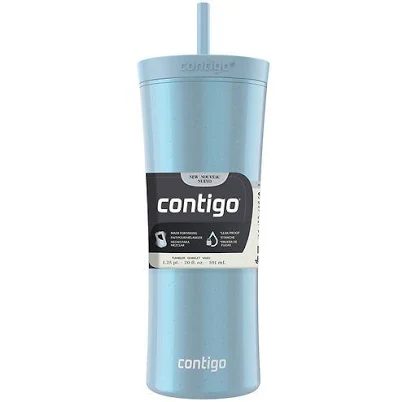
Contigo · Insulated Drink Tumblers
Contigo Shake Go Tumbler
Lower concern, as plastic tumbler has no known PFAS-typical coatings.
Contigo Shake & Go uses BPA-free plastic and stainless steel interior without reported water-repellent or nonstick coatings. No PFAS disclosures were found, but primary materials suggest lower PFAS risk.
We flunk more products than we pass. This one earned its grade. How we grade
Material
Plastic (BPA-free) and stainless steel interior
Lab data
No public lab test
What Contigo Shake Go Tumbler is made of, ingredients and materials
The Contigo Shake Go uses a plastic exterior (stated BPA-free) bonded to a stainless steel interior chamber. This dual-material design keeps beverages isolated from the plastic shell, reducing leaching risk compared to all-plastic tumblers. The stainless steel liner is the functional barrier for hot or acidic drinks, which is the standard safety approach for insulated tumblers in this price range. BPA-free plastic formulations typically substitute BPS or other bisphenols, which have lower but not zero concern for endocrine activity.
What’s concerning
No PFAS disclosure
No public statement from the brand about PFAS in this product.
Category baseline
The starting point for this type of product, before anything specific to this product is counted.
BPA & bisphenols
Contigo states BPA-free, but replacement bisphenols (BPS, BPF) are commonly used in BPA-free plastics and have similar endocrine effects at high doses. Risk is low during normal cold beverage use because the stainless interior isolates liquid from plastic; direct mouth contact occurs only at the lid/plastic rim.
Source, FDA ↗Plastic degradation and microplastic shedding
Over 2-3 years of use, the plastic exterior can develop micro-cracks or whitening, especially if exposed to hot water, dishwasher cycles, or UV light. Microscopic particles may shed into drinks if the plastic degrades significantly, though the degree of risk is not quantified for this specific product.
Adhesive or bonding agent leaching at plastic-steel interface
The bond between plastic shell and stainless liner relies on adhesives that are not disclosed. Prolonged exposure to hot liquids or acidic beverages may cause trace migration of adhesive components, though the stainless barrier mitigates direct beverage contact in most cases.
What’s reassuring
Base material not linked to PFAS
The main material recorded for this product is not one associated with PFAS.
Phthalates
No evidence of phthalate use in Contigo tumblers; modern food-contact plastics for this product type rarely include phthalates. However, Contigo provides no public testing or certification to rule this out definitively.
Source, ATSDR ↗Lid/gasket materials and seal degradation
The flip-top lid mechanism typically uses silicone or rubber gaskets; no contamination or off-gassing issues are documented for Contigo lids. Gaskets may accumulate mold if not dried thoroughly, but this is a hygiene rather than chemical hazard.
The full breakdown
The brand's record and disclosure
Contigo does not publicly disclose detailed material sourcing, manufacturing testing, or third-party certification for chemical safety beyond stating BPA-free claims on product pages. The brand has no known product recalls or contamination incidents on record for this tumbler line. No published stance on phthalates, BPS alternatives, or manufacturing chemical management is available, which is typical of mid-market hydration brands and does not signal a safety failure, only limited transparency.
How it compares in its category
Plastic-stainless tumblers like the Shake Go are mainstream and represent a middle ground, cheaper than all-stainless alternatives, less chemical exposure than all-plastic bottles. Competitors (Hydro Flask, S'well) similarly use plastic exteriors with steel liners and provide no better chemical transparency. This product's construction is functionally equivalent to category norms and carries no documented higher risk.
If you buy it
Use for cold to room-temperature beverages primarily; avoid prolonged contact with boiling liquid against the plastic exterior, as heat can accelerate minor plastic degradation. Wash by hand (top-rack dishwasher is listed as acceptable by the brand, but hand wash extends plastic lifespan). Replace if the plastic develops cracks, discoloration, or odor. Avoid leaving acidic drinks (vinegar, citrus) stored for days, as acidity can increase trace leaching from plastic bonding adhesives.
What we don’t know
- Basis
- Model estimate, 72% confidence, not a lab result
- Lab test
- None on record for this exact product
- Brand statement
- Contigo has made a specific claim
Formulations change between production runs, so check the current label. How we grade.
Better-graded alternatives in Insulated Drink Tumblers
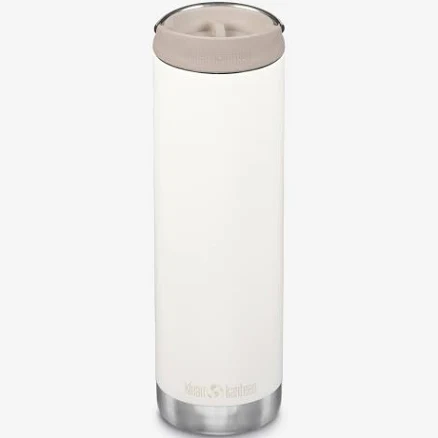
Klean Kanteen
20oz TKWide with Café Cap, Tofu
- Stainless steel bottle, stainless steel cap
- The brand calls it PFAS-free, which we have not verified
- Powder-coat cap degradation over time
3 hazards checked on this product. See all of them.
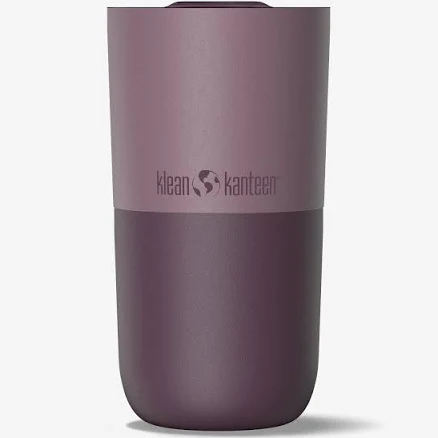
Klean Kanteen
16oz Rise Tumbler
- Stainless steel body, powder-coat finish
- The brand calls it PFAS-free, which we have not verified
- Powder-coat finish degradation
3 hazards checked on this product. See all of them.
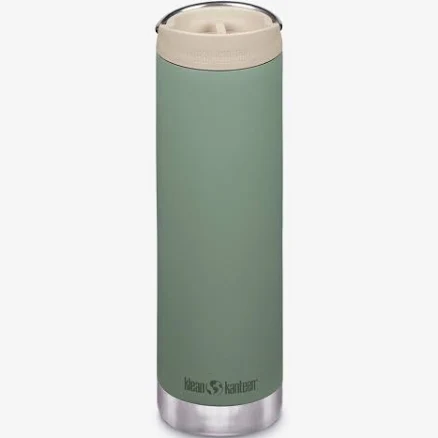
Klean Kanteen
Insulated TKWide Cap
- Stainless steel bottle, plastic cap and silicone gasket
- The brand calls it PFAS-free, which we have not verified
- Silicone gasket degradation and leaching
3 hazards checked on this product. See all of them.
More insulated drink tumblers grades
How we score, every product runs through the same public 0-100 rubric based on materials, coatings, brand disclosure, lab findings, and recalls. See the full methodology → Spotted a mistake? Report an error.