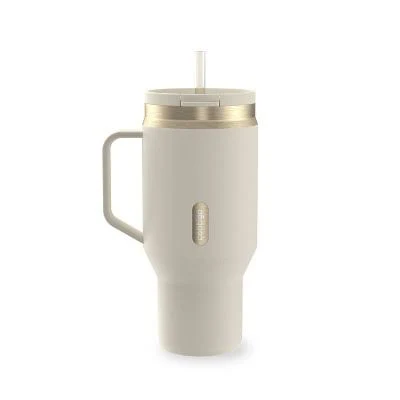
Contigo · Insulated Drink Tumblers
Contigo SnapSeal Tumbler Champagne
Likely lower concern, as Contigo drinkware uses common food-contact polymers.
Contigo tumblers are plastic drinkware without known PFAS-prone coatings like nonstick or water-repellent coating treatments. No public PFAS claims or testing data are available from the brand.
We flunk more products than we pass. This one earned its grade. How we grade
Material
Plastic tumbler (Tritan or similar copolyester) with rubber seal
Lab data
No public lab test
What Contigo SnapSeal Tumbler Champagne is made of, ingredients and materials
The Contigo SnapSeal uses Tritan or similar copolyester, a BPA-free plastic polymer designed for food and beverage contact. Tritan-type materials are thermoplastic polyesters engineered to resist staining and degradation from beverages, including hot liquids. The rubber seal is typically ethylene propylene or silicone, chosen for durability and leak-prevention rather than structural load. This material class avoids polycarbonate (BPA-risk) and does not use Teflon-family coating coatings like Teflon-type coating.
What’s concerning
No PFAS disclosure
No public statement from the brand about PFAS in this product.
Category baseline
The starting point for this type of product, before anything specific to this product is counted.
Microplastics
Repeated washing, thermal cycling, and acidic beverages can cause microscopic plastic wear in any polymer tumbler. The rate is slow at normal use temperatures and cleaning. No field data exists for this specific model, but the risk is inherent to the material category.
Source, EPA ↗Rubber seal degradation and mold growth
Online user reviews consistently mention seal discoloration or stickiness after 12-24 months. Contamination risk is environmental (mold, bacteria) rather than chemical leaching, but poor seal maintenance can affect water quality in the tumbler.
Off-gassing or odor from new plastic
New copolyester products may emit a mild plastic odor for the first few uses, typically fading within days to weeks. No data confirms the presence of volatile organic compounds in Contigo products specifically, but this is common to the material class.
What’s reassuring
Base material not linked to PFAS
The main material recorded for this product is not one associated with PFAS.
BPA & bisphenols
Tritan and equivalent copolyesters are formulated to exclude BPA and BPS. No published data links Contigo SnapSeal tumblers to BPA leaching. The risk is substantially lower than polycarbonate.
Source, FDA ↗Phthalates
Copolyester formulations typically use non-phthalate plasticizers. Contigo has not disclosed phthalate content, but the material class is not associated with phthalate use as a rule.
Source, ATSDR ↗The full breakdown
The brand's record and disclosure
Contigo is a subsidiary of Thermos LLC and has maintained consistent BPA-free labeling on drinkware for over a decade. The company has not faced recalls or published safety controversies tied to leaching or contamination in tumblers. Contigo does not publicly disclose PFAS testing or water-resistant coating composition, which is typical for the drinkware industry but leaves a transparency gap. No third-party testing or certifications (e.g., NSF) are widely marketed for this specific model.
How it compares in its category
Plastic tumblers with rubber seals are among the lowest-risk drink containers for chemical leaching compared to coated ceramics or insulated bottles with foam linings. The Contigo SnapSeal sits in the mid-price, high-durability segment and avoids premium brands (Hydro Flask, S'well) that sometimes use proprietary coatings. Glass alternatives eliminate polymer risk entirely but lose durability; stainless steel insulated tumblers are comparable in chemical safety but may have different wear patterns. Contigo's copolyester formulation is industry-standard and well-documented.
If you buy it
Hand-wash the seal regularly to prevent bacterial or mold growth, especially if stored wet. Do not expose to sustained temperatures above 140 degrees Fahrenheit (60 Celsius), as the polymer may warp; it is dishwasher-safe on cool cycles. Replace the rubber seal if cracks or stickiness develop, usually after 1-2 years of heavy use. Avoid prolonged storage of acidic beverages (citrus, vinegar) to minimize any microscopic polymer-surface migration, though risk is low.
What we don’t know
- Basis
- Model estimate, 68% confidence, not a lab result
- Lab test
- None on record for this exact product
- Brand statement
- Contigo has made a specific claim
Formulations change between production runs, so check the current label. How we grade.
Better-graded alternatives in Insulated Drink Tumblers
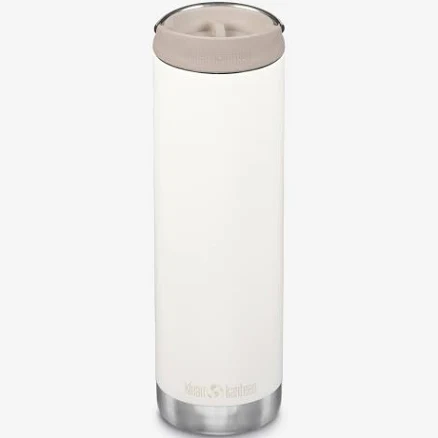
Klean Kanteen
20oz TKWide with Café Cap, Tofu
- Stainless steel bottle, stainless steel cap
- The brand calls it PFAS-free, which we have not verified
- Powder-coat cap degradation over time
3 hazards checked on this product. See all of them.
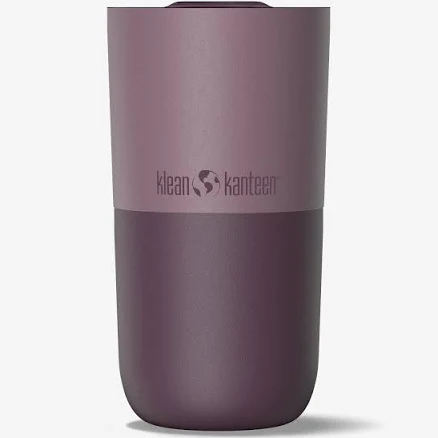
Klean Kanteen
16oz Rise Tumbler
- Stainless steel body, powder-coat finish
- The brand calls it PFAS-free, which we have not verified
- Powder-coat finish degradation
3 hazards checked on this product. See all of them.
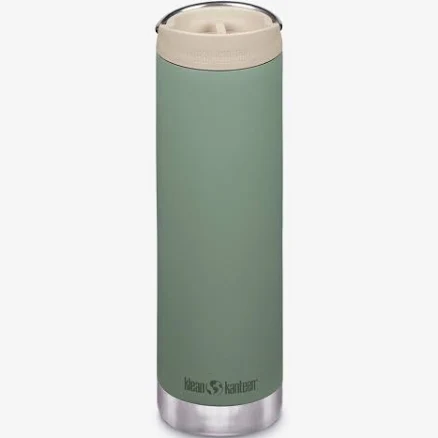
Klean Kanteen
Insulated TKWide Cap
- Stainless steel bottle, plastic cap and silicone gasket
- The brand calls it PFAS-free, which we have not verified
- Silicone gasket degradation and leaching
3 hazards checked on this product. See all of them.
More insulated drink tumblers grades
How we score, every product runs through the same public 0-100 rubric based on materials, coatings, brand disclosure, lab findings, and recalls. See the full methodology → Spotted a mistake? Report an error.