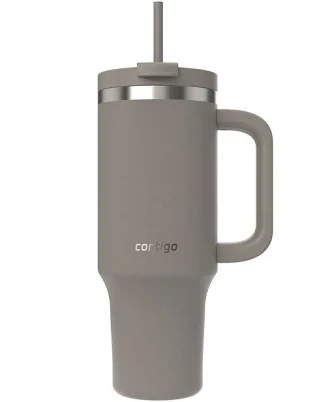
Contigo · Insulated Drink Tumblers
Contigo Streeterville Tumbler
Likely lower concern, but Contigo offers no PFAS transparency.
Stainless steel tumblers are generally lower PFAS risk. Contigo does not disclose PFAS information for this product, and contacting the brand about lid material specifics is recommended if concerned.
We flunk more products than we pass. This one earned its grade. How we grade
Material
Stainless steel with plastic lid
Lab data
No public lab test
What Contigo Streeterville Tumbler is made of, ingredients and materials
The Streeterville is constructed from food-grade stainless steel (typically 18/8 or 304 grade) for the body, which is chemically inert and does not leach metals into beverages under normal use. The lid and seal are plastic, most likely polypropylene (PP) or polyethylene terephthalate (PET) based on Contigo's product line conventions; these materials are stable at typical drinking temperatures. Stainless steel tumblers avoid the aluminum leaching risk of bare aluminum cups and the Teflon-type coating fume hazard of non-stick coatings found in traditional cookware.
What’s concerning
No PFAS disclosure
No public statement from the brand about PFAS in this product.
Category baseline
The starting point for this type of product, before anything specific to this product is counted.
Plastic lid degradation and seal contamination
The plastic lid and rubber gasket are durability weak points in insulated tumblers. Over time and with repeated washing, these components can crack, discolor, or become brittle, potentially allowing bacterial or mold colonization in the seal channel if not cleaned regularly.
Microbial growth in seal and drinking spout
Insulated tumbler lids with silicone gaskets and valve mechanisms are known to harbor mold and bacteria if not disassembled and dried thoroughly between uses. The Streeterville's leak-proof design may trap moisture and organic matter in crevices difficult to access with standard hand-washing.
What’s reassuring
Base material not linked to PFAS
The main material recorded for this product is not one associated with PFAS.
BPA & bisphenols
Contigo does not explicitly label the Streeterville as BPA-free on public sources reviewed. Modern polypropylene lids typically do not require BPA, but absence of a clear statement on the product or packaging leaves this unconfirmed for this specific model.
Source, FDA ↗Stainless steel material integrity
Food-grade stainless steel (18/8) does not leach iron, chromium, or nickel into cold or warm beverages under normal conditions. No recalls or contamination reports are on record for Contigo stainless steel tumblers in this respect.
Coating or lining degradation
Unlike non-stick cookware, the Streeterville uses bare stainless steel with no Teflon-type coating or ceramic interior coating, eliminating fume or flaking risks from coating breakdown over time.
The full breakdown
The brand's record and disclosure
Contigo has not published specific PFAS testing data or commitments, placing it in the silent middle ground of beverage container makers. The brand has no major documented recalls or safety controversies in the tumbler category on public record. Third-party certifications (such as BPA-free labeling) are sometimes present on packaging but are inconsistently highlighted across product lines; verification of specific batch claims requires checking the individual product label or contacting customer service.
How it compares in its category
Insulated stainless steel tumblers like the Streeterville have lower concern than plastics-only construction, as they avoid potential coating degradation issues. Compared to ceramic mugs (which may contain lead in vintage glazes or cadmium in colored enamels) and glass (breakage risk), this tumbler ranks favorably. Against brands that explicitly commit to PFAS-free certification (such as some Hydro Flask models), Contigo's silence on the issue is a relative weakness, though not a confirmed hazard.
If you buy it
Rinse the interior and lid thoroughly before first use to remove any manufacturing residue. Use with cold to warm beverages (under 140°F / 60°C) to avoid stressing plastic seals; do not fill with boiling water repeatedly. Inspect the plastic lid and gasket annually for cracks, discoloration, or wear; replace if visible damage occurs, as degraded seals can allow mold growth in the seal channel. Hand-wash rather than run through the dishwasher if possible, as repeated high heat can degrade the lid's plastic.
What we don’t know
- Basis
- Model estimate, 72% confidence, not a lab result
- Lab test
- None on record for this exact product
- Brand statement
- Contigo has made a specific claim
Formulations change between production runs, so check the current label. How we grade.
Better-graded alternatives in Insulated Drink Tumblers
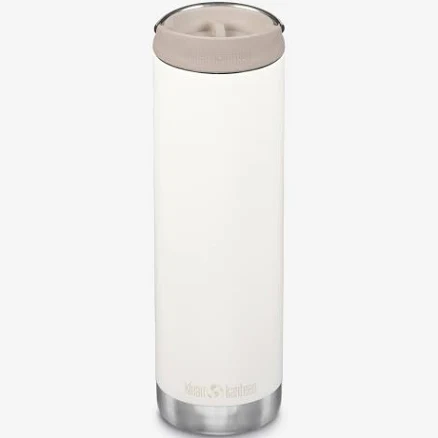
Klean Kanteen
20oz TKWide with Café Cap, Tofu
- Stainless steel bottle, stainless steel cap
- The brand calls it PFAS-free, which we have not verified
- Powder-coat cap degradation over time
3 hazards checked on this product. See all of them.
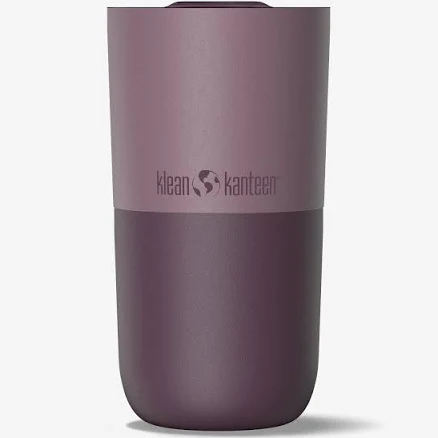
Klean Kanteen
16oz Rise Tumbler
- Stainless steel body, powder-coat finish
- The brand calls it PFAS-free, which we have not verified
- Powder-coat finish degradation
3 hazards checked on this product. See all of them.
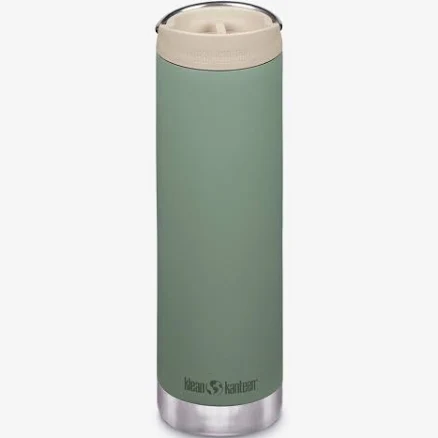
Klean Kanteen
Insulated TKWide Cap
- Stainless steel bottle, plastic cap and silicone gasket
- The brand calls it PFAS-free, which we have not verified
- Silicone gasket degradation and leaching
3 hazards checked on this product. See all of them.
More insulated drink tumblers grades
How we score, every product runs through the same public 0-100 rubric based on materials, coatings, brand disclosure, lab findings, and recalls. See the full methodology → Spotted a mistake? Report an error.