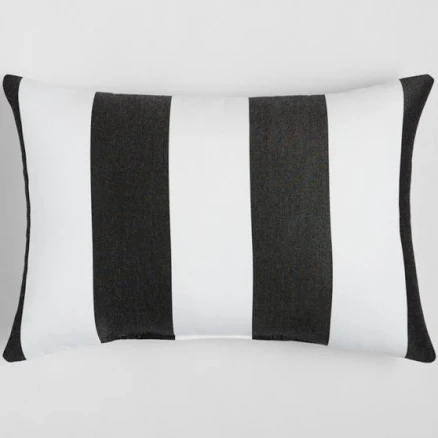
Crate and Barrel · Outdoor Furniture Cushion Protectants
Sunbrella 20"X13" Black Cabana Stripe Outdoor Pillow, 13"X20"
Outdoor pillow has water-repellent coating; PFAS presence unclear, ask the brand.
Sunbrella fabric comes acrylic with water-repellent treatment, standard for outdoor use. The brand won't say whether their water-repellent coating contains PFAS.
The better-graded swap
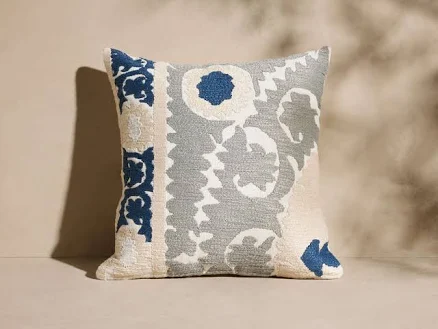
Arhaus
Arhaus Ardennes Outdoor Pillow In Polyester
75/100 safety
Same rubric that flunked this product. The swap earned Excellent.
Still want this one anyway? Check the price on Amazon. We’d swap it.
Material
Sunbrella acrylic fabric with water-repellent coating treatment
Brand disclosure
Brand is silent on PFAS
Lab data
No public lab test
What Sunbrella 20"X13" Black Cabana Stripe is made of, ingredients and materials
Sunbrella is solution-dyed acrylic fabric, meaning the color is built into the fiber itself rather than applied as a surface dye. This construction makes it inherently fade-resistant and durable outdoors. The "water-repellent coating" (water-repellent coating) finish is a separate coating applied to the fabric surface to shed water; such coatings in outdoor textiles commonly contain fluorinated compounds (PFAS) for water resistance, though Sunbrella's specific chemistry remains proprietary and unconfirmed by the manufacturer.
What’s concerning
Category baseline
The starting point for this type of product, before anything specific to this product is counted.
No PFAS disclosure
No public statement from the brand about PFAS in this product.
Waterproof / stain-resistant treatment
Water-repellent coating treatments have historically used PFAS.
water-repellent coating degradation and microparticle shedding
As the water-repellent coating wears over 3-5 years, microscopic particles may shed into soil or water during washing or rain runoff. No testing is publicly available for Sunbrella-specific microparticle release, but this is a known mechanism for all outdoor fabric treatments.
PFAS
Standard outdoor textile water-repellent coating coatings use fluorinated chemistry; Sunbrella has not publicly stated what chemistry its water-repellent coating treatment uses. Skin contact from handling is low-risk; the main exposure pathway is environmental leaching if pillow degrades or is discarded, and indirect food-chain contamination from outdoor water runoff in high-concentration applications.
Source, ATSDR ↗What’s reassuring
Azo dyes in colored fabric
Sunbrella's solution-dye method (color in the fiber) avoids surface-applied azo dyes that are restricted in EU textiles. No recall or testing data suggests azo dye concern for this product.
Formaldehyde / VOCs
Sunbrella acrylic does not require formaldehyde-based wrinkle or flame-resistant finishes. No public records indicate formaldehyde treatment of this pillow line.
Source, ATSDR ↗Flame retardants
Sunbrella outdoor pillows are not marketed as flame-resistant and do not require fire-blocking treatments for outdoor furniture. Acrylic fiber itself is moderately flame-resistant due to material properties, not chemical additives.
Source, EPA ↗The full breakdown
The brand's record and disclosure
Crate and Barrel does not publicly disclose PFAS content or manufacturing restrictions for Sunbrella products. Sunbrella (owned by Glen Raven) has not published specific PFAS-free certifications or phase-out commitments that are readily available. The brand has no major safety recalls on record for this pillow line, and Sunbrella fabric itself is widely used in marine and outdoor applications with minimal reported chemical hazard complaints. However, silence on water-repellent coating chemistry is notable given industry trends toward disclosure.
How it compares in its category
Sunbrella is considered a premium outdoor textile with proven longevity (typically 5+ years in heavy sun exposure). Most budget outdoor pillows use polyester or cotton blends treated with cheaper water repellents, which may degrade faster and leach dyes more readily in wet conditions. Some brands now offer PFAS-free water-repellent coating alternatives (e.g., paraffin-based or silicone), though these are less common in mainstream retail and may cost more. Sunbrella's durability arguably reduces replacement frequency, lowering overall chemical exposure over time compared to lower-quality fabrics needing frequent replacement.
If you buy it
Wash occasionally with mild soap and water; avoid bleach or high heat, which can degrade both the acrylic fiber and the water-repellent coating. Replace the pillow if the fabric shows visible wear, pilling, or water no longer beads on the surface (sign of water-repellent coating breakdown). Store indoors or under cover during winter or extended rain to minimize water pooling and fabric saturation, which can reduce water-repellent coating effectiveness. If PFAS concern is high priority, contact Crate and Barrel directly to request specific water-repellent coating chemistry documentation before purchase.
What we don’t know
- Basis
- Model estimate, 45% confidence, not a lab result
- Lab test
- None on record for this exact product
- Brand statement
- Crate and Barrel has made none
Formulations change between production runs, so check the current label. How we grade.
Better-graded alternatives in Outdoor Furniture Cushion Protectants
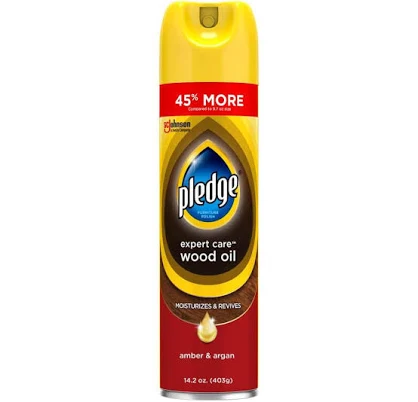
Pledge
14.2 oz. Amber and Argan Scent Furniture Moisturizing Oil
- mineral oil, argan oil blend
- We found no PFAS statement from the brand
- Fragrance allergens and undisclosed components
4 hazards checked on this product. See all of them.

West Elm
Cut Garden Flowers Pillow Cover
- 100% cotton canvas
- Azo dyes and dye contamination
3 hazards checked on this product. See all of them.
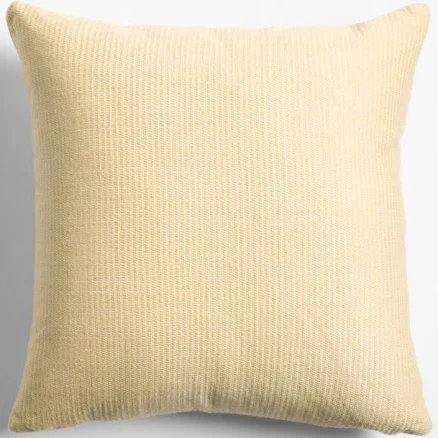
Crate and Barrel
Crate & Barrel Surya Yellow Throw Pillow
- Polyester, cotton, or cotton-blend fabric with standard dyes
- We found no PFAS statement from the brand
- Azo dyes and color migration
3 hazards checked on this product. See all of them.
More outdoor furniture cushion protectants grades
How we score, every product runs through the same public 0-100 rubric based on materials, coatings, brand disclosure, lab findings, and recalls. See the full methodology → Spotted a mistake? Report an error.