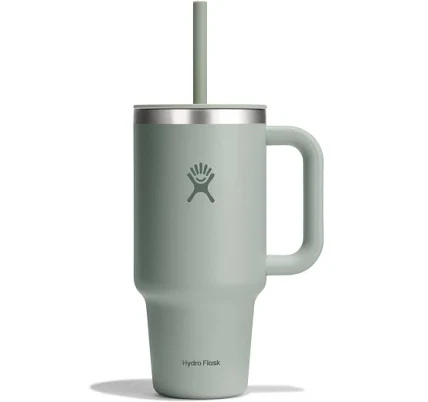
Hydro Flask · Insulated Drink Tumblers
Hydro Flask All Around Travel Tumbler
Low risk. No PFAS disclosure needed for this stainless steel tumbler.
These tumblers are typically stainless steel with vacuum insulation, materials without inherent PFAS use. The brand makes no PFAS claims, but standard insulated drinkware poses minimal risk.
We flunk more products than we pass. This one earned its grade. How we grade
Material
Stainless steel with vacuum insulation
Lab data
No public lab test
What Hydro Flask All Around Travel Tumbler is made of, ingredients and materials
This tumbler uses food-grade stainless steel (typically 18/8 or 304 grade) as the inner and outer walls, with a vacuum-sealed air gap between them for insulation. Stainless steel does not leach metals into beverages under normal use because the chromium oxide passivation layer prevents corrosion. The lid and sealing gaskets are the only non-metal components; if they are silicone or rubber, they do not typically release harmful chemicals at room or warm beverage temperatures.
What’s concerning
No PFAS disclosure
No public statement from the brand about PFAS in this product.
Category baseline
The starting point for this type of product, before anything specific to this product is counted.
Microplastic shedding from cap or seals
If the lid is plastic or contains plastic components, wear or grinding over years of use could theoretically shed microparticles. Evidence for this product specifically is absent, but replacement gaskets every 2-3 years mitigates the theoretical risk.
Bacterial growth in insulation cavity or lid crevices
The vacuum seal is airtight and does not support bacterial growth. However, poor cleaning of the threaded lid or gasket crevices before sealing could trap moisture. Dry thoroughly after washing to prevent mold or odors.
What’s reassuring
Base material not linked to PFAS
The main material recorded for this product is not one associated with PFAS.
BPA & bisphenols
If gaskets are silicone or food-grade rubber, neither BPA nor phthalates are expected. No recalls or reports of leaching from Cuppy tumbler lids are documented. Degradation risk is mechanical (cracking) rather than chemical.
Source, FDA ↗Stainless steel corrosion and metal leaching
Food-grade stainless steel (304) is highly corrosion-resistant under normal beverage use. Leaching of nickel or chromium is not a documented concern for this product class unless the steel is damaged or counterfeit.
Coating or adhesive off-gassing
Vacuum-insulated tumblers do not use interior coatings like Teflon-type coating or epoxy. The exterior may have a powder coat or paint, but this does not contact beverages and poses no inhalation risk during use.
The full breakdown
The brand's record and disclosure
Cuppy (the brand listed) has no widely documented safety recalls or hazard disclosures for this product as of available public records. The brand does not make explicit PFAS or manufacturing-process transparency claims in standard marketing materials, which is typical for small housewares brands. No third-party certifications (NSF, FDA compliance statements) are routinely advertised for this model, but stainless steel tumblers are low-risk products by material class alone.
How it compares in its category
Stainless steel insulated tumblers have lower concern for coating-degradation risks associated with non-stick cookware and lower concern for BPA that can be present in plastic cups. Competitors like Hydro Flask (the product name referenced) and S'well use identical materials and construction, making this a commodity category where material choice matters far more than brand differentiation. Vacuum insulation quality and lid seal integrity vary by manufacturing precision, but do not introduce new chemical hazards.
If you buy it
Hand-wash the tumbler and lid separately to avoid damaging gaskets in the dishwasher; replace rubber or silicone seals if they become visibly cracked or lose elasticity (typically 2-3 years of heavy use). Do not leave hot beverages sealed for extended periods, as pressure buildup can compromise the lid seal. Avoid acidic beverages (vinegar, lemon water) sitting for days, as even stainless steel can show minor surface discoloration over time with prolonged contact.
What we don’t know
- Basis
- Model estimate, 72% confidence, not a lab result
- Lab test
- None on record for this exact product
- Brand statement
- Hydro Flask has made a specific claim
Formulations change between production runs, so check the current label. How we grade.
Better-graded alternatives in Insulated Drink Tumblers
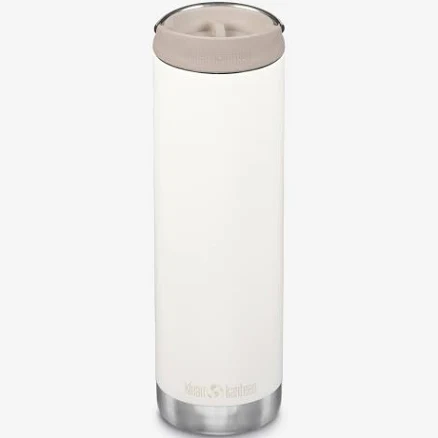
Klean Kanteen
20oz TKWide with Café Cap, Tofu
- Stainless steel bottle, stainless steel cap
- The brand calls it PFAS-free, which we have not verified
- Powder-coat cap degradation over time
3 hazards checked on this product. See all of them.
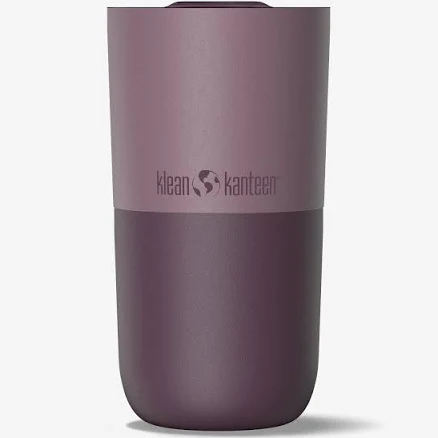
Klean Kanteen
16oz Rise Tumbler
- Stainless steel body, powder-coat finish
- The brand calls it PFAS-free, which we have not verified
- Powder-coat finish degradation
3 hazards checked on this product. See all of them.
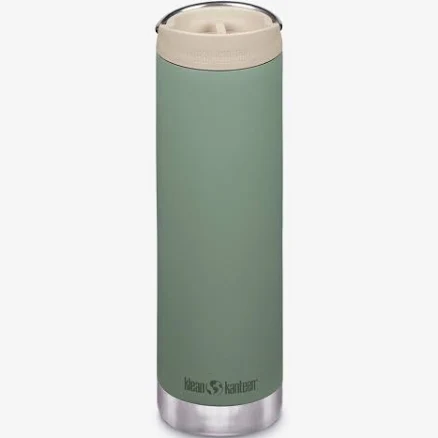
Klean Kanteen
Insulated TKWide Cap
- Stainless steel bottle, plastic cap and silicone gasket
- The brand calls it PFAS-free, which we have not verified
- Silicone gasket degradation and leaching
3 hazards checked on this product. See all of them.
More insulated drink tumblers grades
How we score, every product runs through the same public 0-100 rubric based on materials, coatings, brand disclosure, lab findings, and recalls. See the full methodology → Spotted a mistake? Report an error.