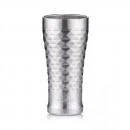
Cupture · Insulated Drink Tumblers
Cupture 16 oz Vacuum Insulated Pint Cup
Lower concern. Stainless steel core unlikely to contain PFAS.
Vacuum-insulated cup made primarily from stainless steel, a material unlikely to contain PFAS. Plastic lid composition is unknown, and the brand stays silent on PFAS. No red flags found.
We flunk more products than we pass. This one earned its grade. How we grade
Material
stainless steel vacuum insulated walls, plastic lid
Brand disclosure
Brand is silent on PFAS
Lab data
No public lab test
What Cupture 16 oz Vacuum Insulated Pint Cup is made of, ingredients and materials
The Cupture 16 oz cup uses a double-wall stainless steel vacuum-insulated core, which is chemically inert and does not leach metals or compounds into beverages under normal use. The plastic lid (material type not specified in public records but typically polypropylene or acrylic for drinkware) is the only potential exposure vector. Stainless steel construction eliminates concerns about lead, cadmium, or coating degradation that plague ceramic or enameled competitors.
What’s concerning
No PFAS disclosure
No public statement from the brand about PFAS in this product.
Category baseline
The starting point for this type of product, before anything specific to this product is counted.
Plastic lid degradation and leaching
Resin type of the Cupture lid is not disclosed; common polypropylene lids can soften and leach oligomers if exposed to heat or acidic beverages over months. Risk is low under normal use but increases with improper care.
Bacterial growth in vacuum seal
If the vacuum seal fails due to manufacturing defect or lid misalignment, stagnant water can accumulate between walls, creating conditions for Legionella or other waterborne bacteria. This is a mechanical failure risk, not a material hazard.
What’s reassuring
Base material not linked to PFAS
The main material recorded for this product is not one associated with PFAS.
BPA & bisphenols
No public test results or certifications confirm the absence or presence of BPA/BPS in the Cupture lid. Manufacturer has not disclosed resin sourcing; assume possible exposure only if lid material contains polycarbonate (unlikely for a lid but not ruled out).
Source, FDA ↗Stainless steel nickel leaching
Food-grade stainless steel (typically 304 or 316) used in vacuum cups releases negligible nickel into neutral or slightly acidic beverages. This is a non-concern for this product unless user has severe nickel hypersensitivity.
Off-gassing from lid adhesives or sealants
If the plastic lid includes rubberized seals or adhesive bonding, VOC off-gassing is possible but undocumented for Cupture products. Risk is minimized by airing the lid before first use.
The full breakdown
The brand's record and disclosure
Cupture has not published material composition specifications, certifications (BPA-free, FDA compliance), or responses to consumer safety inquiries in widely available records. No recalls or safety controversies have been documented for this product line. The company's silence on materials and PFAS stance limits verification of lid resin sourcing and processing but does not indicate a known problem.
How it compares in its category
Vacuum-insulated stainless steel cups (Hydro Flask, S'well, YETI) dominate the premium segment and share the same core safety profile. Cupture's pricing positions it as a value alternative, though material warranties and lid durability claims are not transparently documented compared to competitors. The plastic lid presents a lower-risk design choice than silicone seals or rubber gaskets, which can off-gas VOCs over time.
If you buy it
Hand wash the plastic lid separately and inspect it for cracks, discoloration, or warping before each use; replace if degradation is visible. Do not microwave the lid or expose it to boiling water for extended periods, as plastic softening increases leaching risk. Rinse the stainless steel interior with hot water regularly to prevent bacterial biofilm buildup in the vacuum gap if any seal failure occurs. Store dry and uncapped between uses.
What we don’t know
- Basis
- Model estimate, 72% confidence, not a lab result
- Lab test
- None on record for this exact product
- Brand statement
- Cupture has made none
Formulations change between production runs, so check the current label. How we grade.
Better-graded alternatives in Insulated Drink Tumblers
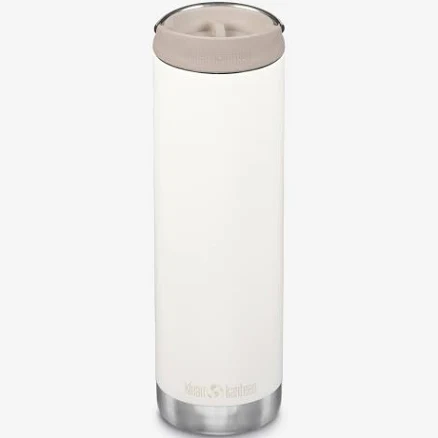
Klean Kanteen
20oz TKWide with Café Cap, Tofu
- Stainless steel bottle, stainless steel cap
- The brand calls it PFAS-free, which we have not verified
- Powder-coat cap degradation over time
3 hazards checked on this product. See all of them.
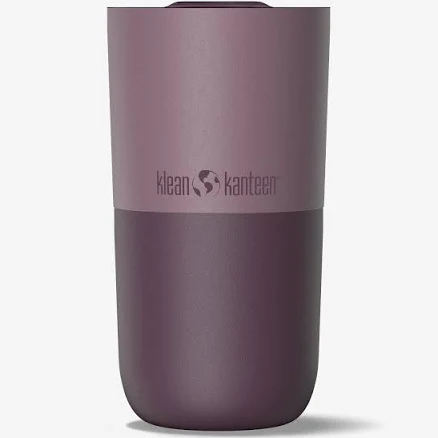
Klean Kanteen
16oz Rise Tumbler
- Stainless steel body, powder-coat finish
- The brand calls it PFAS-free, which we have not verified
- Powder-coat finish degradation
3 hazards checked on this product. See all of them.
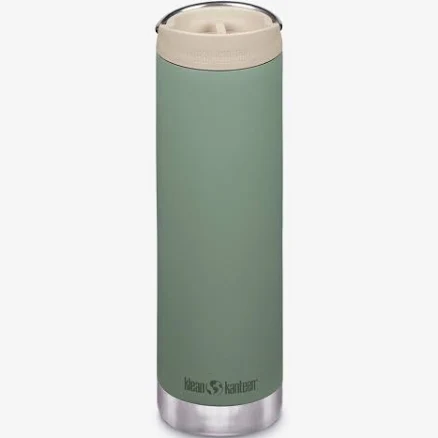
Klean Kanteen
Insulated TKWide Cap
- Stainless steel bottle, plastic cap and silicone gasket
- The brand calls it PFAS-free, which we have not verified
- Silicone gasket degradation and leaching
3 hazards checked on this product. See all of them.
More insulated drink tumblers grades
How we score, every product runs through the same public 0-100 rubric based on materials, coatings, brand disclosure, lab findings, and recalls. See the full methodology → Spotted a mistake? Report an error.