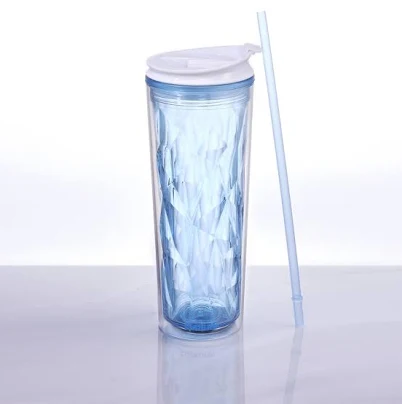
Cupture · Insulated Drink Tumblers
Cupture Crystal Click Seal Shake Tumbler Cup for Hot or Cold Drinks
No PFAS risk identified, but brand discloses nothing about materials.
Cupture's plastic tumbler contains no known PFAS-prone coatings like nonstick or water-repellent coating treatment. The brand provides no material specifications or PFAS disclosure, leaving some uncertainty about plastic makeup and lid seals.
We flunk more products than we pass. This one earned its grade. How we grade
Material
Plastic tumbler with click seal lid
Brand disclosure
Brand is silent on PFAS
Lab data
No public lab test
What Cupture Crystal Click Seal Shake Tumbler is made of, ingredients and materials
Cupture Crystal Click Seal is a plastic tumbler, likely polypropylene (PP) or similar food-contact polymer based on category standards. The click-seal lid introduces a mechanical closure system rather than a threaded or flip mechanism, reducing contact points where sealing compounds might leach. Plastic tumblers are generally inert when used as designed for cold and moderately hot drinks, though performance depends on polymer type and any coatings or adhesives used in assembly.
What’s concerning
No PFAS disclosure
No public statement from the brand about PFAS in this product.
Category baseline
The starting point for this type of product, before anything specific to this product is counted.
Degradation and microplastic shedding from heat or wear
Repeated exposure to hot liquids or dishwasher cycles can accelerate polymer breakdown in budget-grade plastics. Risk is higher if the tumbler is used with beverages near boiling or if the material lacks UV or thermal stabilizers.
Bacterial growth in seal and closure mechanism
Click-seal and snap closures create crevices where water and microbes can accumulate if not fully disassembled and dried between uses. Cupture does not provide disassembly or sanitization guidance on record.
Material transparency and undisclosed polymer or additives
The brand does not state polymer type, country of manufacture, or additive package. Absence of certification or third-party testing means potential non-food-grade recycled plastic or off-spec resin cannot be ruled out, though no evidence suggests this is the case.
What’s reassuring
Base material not linked to PFAS
The main material recorded for this product is not one associated with PFAS.
BPA & bisphenols
No BPA or similar endocrine disruptors are established in Cupture products or modern food-contact plastics meeting US/EU standards. However, the brand does not publicly certify BPA-free status, so independent confirmation is unavailable.
Source, FDA ↗Leaching from adhesives or coatings in lid assembly
The click-seal mechanism introduces glues and sealing materials not typical of simple plastic cups. No recalls or testing data exist for Cupture lids, but adhesive leaching risk is elevated if formulations contain volatile organics or phthalates.
The full breakdown
The brand's record and disclosure
Cupture is a smaller, direct-to-consumer drinkware brand with minimal public material transparency or third-party certifications on record. The brand does not disclose polymer type, manufacturing standards, or material sourcing publicly. No recalls or safety controversies are established for this product line. This silence on materials is typical of the budget tumbler category but limits independent verification of material claims.
How it compares in its category
Plastic tumblers span wide quality ranges; Cupture sits in the mid-market segment. Competitors like Contigo or S'well publish material specs and certifications more transparently. Glass or stainless steel alternatives eliminate polymer leaching risk entirely but sacrifice durability and insulation. Cupture's price point and form factor suggest cost-driven manufacturing, which may correlate with less rigorous material sourcing but does not indicate confirmed hazard.
If you buy it
Do not use with liquids above 70-80°C (160-180°F) unless the brand explicitly certifies higher temperature resistance, which it does not. Avoid prolonged contact with acidic beverages or alcohol, which can stress polymer bonds. Hand wash rather than dishwasher to extend lid seal integrity. Replace the tumbler if you notice discoloration, cloudiness, or odor, which signal polymer degradation. Store away from direct sunlight to slow UV-driven breakdown of plastic.
What we don’t know
- Basis
- Model estimate, 68% confidence, not a lab result
- Lab test
- None on record for this exact product
- Brand statement
- Cupture has made none
Formulations change between production runs, so check the current label. How we grade.
Better-graded alternatives in Insulated Drink Tumblers
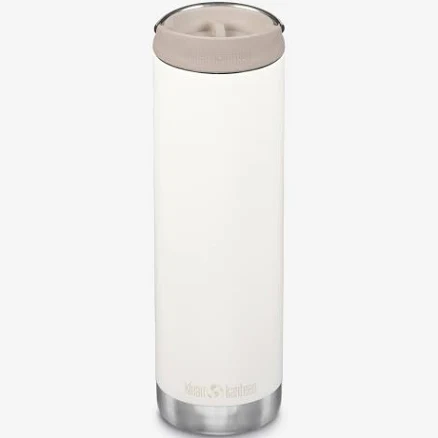
Klean Kanteen
20oz TKWide with Café Cap, Tofu
- Stainless steel bottle, stainless steel cap
- The brand calls it PFAS-free, which we have not verified
- Powder-coat cap degradation over time
3 hazards checked on this product. See all of them.
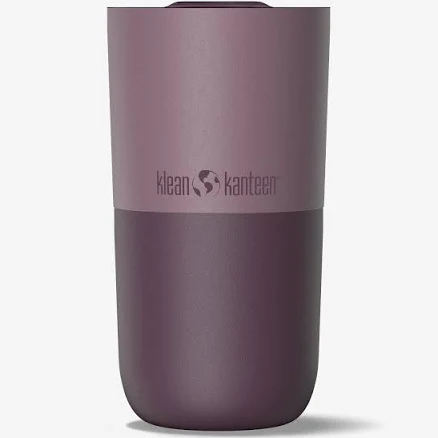
Klean Kanteen
16oz Rise Tumbler
- Stainless steel body, powder-coat finish
- The brand calls it PFAS-free, which we have not verified
- Powder-coat finish degradation
3 hazards checked on this product. See all of them.
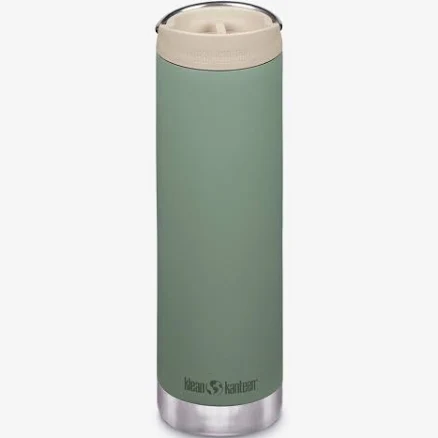
Klean Kanteen
Insulated TKWide Cap
- Stainless steel bottle, plastic cap and silicone gasket
- The brand calls it PFAS-free, which we have not verified
- Silicone gasket degradation and leaching
3 hazards checked on this product. See all of them.
More insulated drink tumblers grades
How we score, every product runs through the same public 0-100 rubric based on materials, coatings, brand disclosure, lab findings, and recalls. See the full methodology → Spotted a mistake? Report an error.