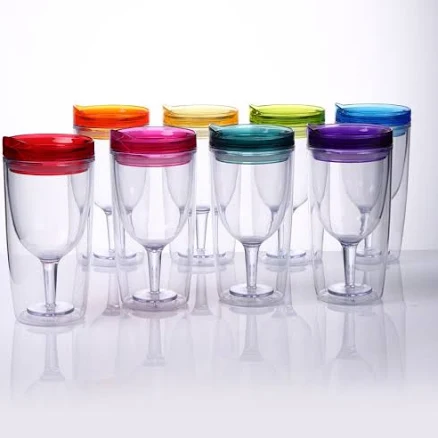
Cupture · Insulated Drink Tumblers
Cupture Insulated Wine Tumbler Cup with Drink-Through Lid (10 oz, 8 Pack)
Lower PFAS concern. Stainless steel tumbler with no reported problematic coatings.
Cupture tumblers use stainless steel double-wall insulation, a material not associated with PFAS concerns. The brand discloses no special coatings or treatments, and no lab data or certifications exist.
We flunk more products than we pass. This one earned its grade. How we grade
Material
Stainless steel double-wall construction
Brand disclosure
Brand is silent on PFAS
Lab data
No public lab test
What Cupture Insulated Wine Tumbler Cup is made of, ingredients and materials
Cupture's tumbler uses food-grade stainless steel (typically 18/8 or 304-grade) for the double-wall insulation layer, which is chemically inert and does not leach metals into beverages under normal use. The drink-through lid is the only potential concern; Cupture does not publicly specify lid material (likely silicone or polypropylene), but stainless steel tumblers generally avoid problematic coatings like Teflon-type coating or ceramic glazes that can degrade. No adhesives or sealants between the walls have been reported as a source of contamination.
What’s concerning
No PFAS disclosure
No public statement from the brand about PFAS in this product.
Category baseline
The starting point for this type of product, before anything specific to this product is counted.
Lid material leaching (polymer/elastomer)
Cupture does not publicly disclose lid composition; if silicone or polypropylene, potential for residual monomers or plasticizers in contact with beverages, though risk is low if lid does not contact liquid directly through the drink-through design.
Stainless steel nickel leaching
Standard 304-grade stainless steel contains ~8-10% nickel; in rare cases of poor-quality alloys or corrosion, trace nickel can leach into acidic beverages, though Cupture's material grade is not publicly specified.
Gasket/seal degradation and bacterial growth
The drink-through lid likely contains silicone gaskets that trap moisture and food debris; inadequate cleaning between uses can harbor bacteria or mold, particularly if the lid is not fully disassembled and dried.
What’s reassuring
Base material not linked to PFAS
The main material recorded for this product is not one associated with PFAS.
Double-wall adhesive or sealant off-gassing
No reports of volatile organic compounds (VOCs) or adhesive degradation from Cupture's double-wall construction; stainless steel tumblers rarely rely on coatings that off-gas.
Coating wear on interior surface (if present)
No coatings are reported on Cupture's interior stainless surfaces; the naked steel is chemically stable and does not degrade into beverages under normal conditions.
The full breakdown
The brand's record and disclosure
Cupture maintains minimal public transparency on material sourcing or third-party testing; no BPA-free certification or independent safety audits are documented. The brand has no established recall history for this product line and does not advertise problematic manufacturing practices, but also does not provide detailed chemical safety disclosures beyond basic food-grade claims. No controversies or regulatory actions against Cupture are on public record.
How it compares in its category
Stainless steel tumblers are not a material linked to PFAS and avoid most plastic leaching concerns that affect acrylic or polycarbonate alternatives. Cupture's design is typical for the mid-market segment; comparable brands (Hydro Flask, S'well, YETI) offer similar stainless construction with similar material transparency gaps. The 8-pack format suggests durability-focused positioning rather than premium certification marketing.
If you buy it
Wash the lid separately and inspect it regularly for cracks or discoloration, as the lid material (likely softer polymer) will wear faster than the steel body. Avoid placing in the dishwasher if the lid contains silicone gaskets, as heat may degrade them over time. Do not use for boiling liquids or extended high-temperature beverages, as double-wall vacuum seals can be compromised by extreme thermal stress. Replace the lid if it becomes difficult to seal or shows visible wear after 1-2 years of regular use.
What we don’t know
- Basis
- Model estimate, 72% confidence, not a lab result
- Lab test
- None on record for this exact product
- Brand statement
- Cupture has made none
Formulations change between production runs, so check the current label. How we grade.
Better-graded alternatives in Insulated Drink Tumblers
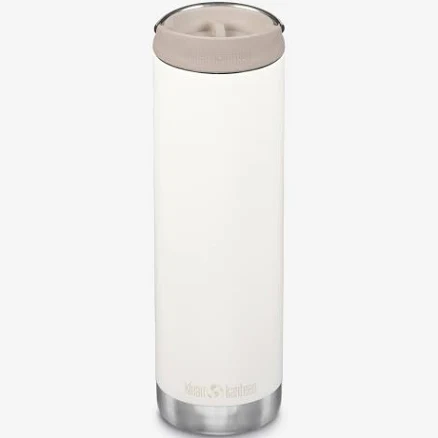
Klean Kanteen
20oz TKWide with Café Cap, Tofu
- Stainless steel bottle, stainless steel cap
- The brand calls it PFAS-free, which we have not verified
- Powder-coat cap degradation over time
3 hazards checked on this product. See all of them.
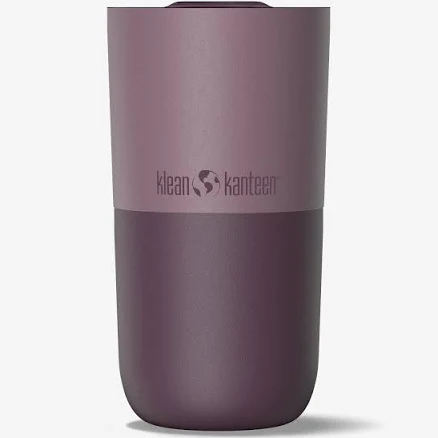
Klean Kanteen
16oz Rise Tumbler
- Stainless steel body, powder-coat finish
- The brand calls it PFAS-free, which we have not verified
- Powder-coat finish degradation
3 hazards checked on this product. See all of them.
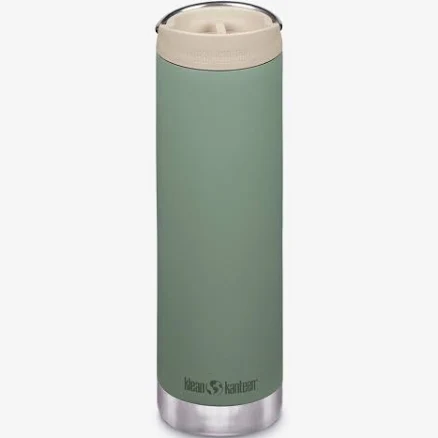
Klean Kanteen
Insulated TKWide Cap
- Stainless steel bottle, plastic cap and silicone gasket
- The brand calls it PFAS-free, which we have not verified
- Silicone gasket degradation and leaching
3 hazards checked on this product. See all of them.
More insulated drink tumblers grades
How we score, every product runs through the same public 0-100 rubric based on materials, coatings, brand disclosure, lab findings, and recalls. See the full methodology → Spotted a mistake? Report an error.