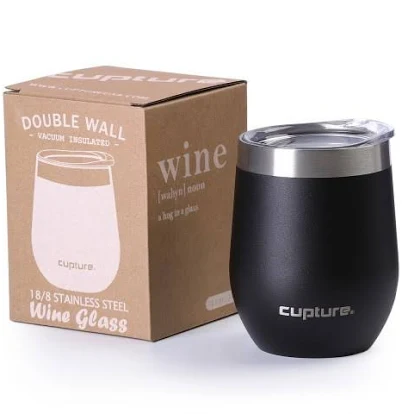
Cupture · Insulated Drink Tumblers
Cupture Stemless Wine Tumblers 12 oz Vacuum Insulated Mug with Lids
Lower concern. Stainless steel tumblers pose minimal PFAS risk.
Cupture tumblers use stainless steel construction without reported nonstick or waterproof coatings, lowering PFAS risk. No brand disclosure on PFAS or third-party verification exists.
We flunk more products than we pass. This one earned its grade. How we grade
Material
Stainless steel body, vacuum-insulated double-wall construction
Brand disclosure
Brand is silent on PFAS
Lab data
No public lab test
What Cupture Stemless Wine Tumblers 12 oz is made of, ingredients and materials
Cupture stemless wine tumblers use a stainless steel body (typically 18/8 or 18/10 grade) with vacuum-sealed double-wall construction and a plastic or silicone lid. Stainless steel is chemically stable and does not leach metals under normal use because the chromium oxide passivation layer prevents corrosion. The vacuum gap between walls contains air (not chemicals) and poses no leaching pathway; the primary contact risk is the lid material, which should be checked for BPA/BPS if plastic.
What’s concerning
No PFAS disclosure
No public statement from the brand about PFAS in this product.
Category baseline
The starting point for this type of product, before anything specific to this product is counted.
BPA & bisphenols
The tumbler lid is not stainless steel; if plastic, it may contain BPA or BPS, particularly in cheaper variants. Cupture does not specify lid composition or declare BPA-free status. Contact with hot or acidic beverages could accelerate leaching.
Source, FDA ↗Thermal burn risk from vacuum integrity loss
If the vacuum seal is compromised (via manufacturing defect or damage), the tumbler loses insulation function and the outer wall can become hot. Cupture provides no information on quality assurance for vacuum seal integrity.
What’s reassuring
Base material not linked to PFAS
The main material recorded for this product is not one associated with PFAS.
Stainless steel leaching (nickel)
18/8 stainless steel contains nickel (approximately 8%), but the passivation layer prevents leaching under normal use. No documented cases of nickel release from Cupture tumblers have been reported. Risk is minimal unless the coating is damaged.
VOC off-gassing from lid or gasket materials
Silicone or plastic gaskets and lids may release volatile organic compounds (VOCs) during initial use or when heated. No recall or documented exposure event has been reported for this product. Off-gassing typically diminishes after first few washes.
Durability and coating degradation
Stainless steel does not degrade like ceramic glazes or Teflon-type coating coatings. Surface scratches or discoloration do not affect safety. The lid seal is the wear point; replacement lids are not advertised as readily available from Cupture.
The full breakdown
The brand's record and disclosure
Cupture has not published formal material safety data sheets or third-party certifications (e.g., FDA compliance statements or lead testing) in publicly available channels. The brand does not highlight supply chain transparency or manufacturing standards on its website. No recalls or safety violations have been documented for this product line. The silent stance on PFAS is typical for mid-tier drinkware brands that do not market non-PFAS credentials.
How it compares in its category
Vacuum-insulated stainless steel tumblers have lower concern for certain risks because stainless steel is not a material linked to ceramic-glaze lead issues and avoids the non-stick coating degradation concerns of Teflon-type coating-lined alternatives. They sit above single-wall aluminum (aluminum leaching concern) and plastic tumblers (BPA/phthalate risk). Cupture's design is functionally equivalent to higher-priced competitors (Hydro Flask, Yeti) but lacks third-party safety certification.
If you buy it
Hand-wash the tumbler and lid to avoid dishwasher heat degradation of the lid seal; check the lid material for BPA-free labeling if it is plastic rather than silicone. Avoid leaving acidic beverages (wine, citrus) in the tumbler for extended periods, as stainless steel is corrosion-resistant but prolonged contact with tannins or citric acid can dull the finish. Replace the lid if it becomes cracked or the seal loosens. The vacuum seal is permanent; do not attempt to open the walls.
What we don’t know
- Basis
- Model estimate, 72% confidence, not a lab result
- Lab test
- None on record for this exact product
- Brand statement
- Cupture has made none
Formulations change between production runs, so check the current label. How we grade.
Better-graded alternatives in Insulated Drink Tumblers
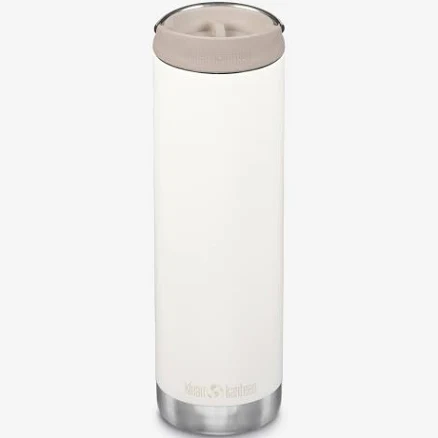
Klean Kanteen
20oz TKWide with Café Cap, Tofu
- Stainless steel bottle, stainless steel cap
- The brand calls it PFAS-free, which we have not verified
- Powder-coat cap degradation over time
3 hazards checked on this product. See all of them.
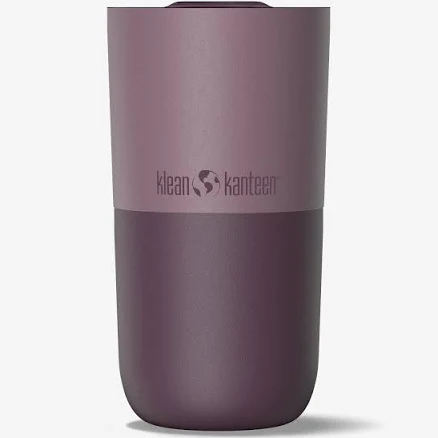
Klean Kanteen
16oz Rise Tumbler
- Stainless steel body, powder-coat finish
- The brand calls it PFAS-free, which we have not verified
- Powder-coat finish degradation
3 hazards checked on this product. See all of them.
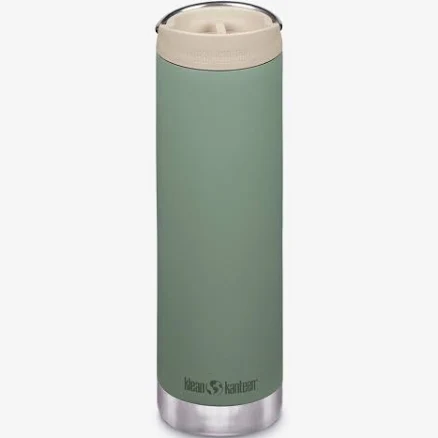
Klean Kanteen
Insulated TKWide Cap
- Stainless steel bottle, plastic cap and silicone gasket
- The brand calls it PFAS-free, which we have not verified
- Silicone gasket degradation and leaching
3 hazards checked on this product. See all of them.
More insulated drink tumblers grades
How we score, every product runs through the same public 0-100 rubric based on materials, coatings, brand disclosure, lab findings, and recalls. See the full methodology → Spotted a mistake? Report an error.