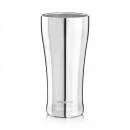
Cupture · Insulated Drink Tumblers
Cupture Vacuum Insulated Pint Cup
Lower concern. Stainless steel drinkware rarely contains PFAS.
Cupture vacuum-insulated pint cups use stainless steel construction with no reported PFAS coatings. No brand disclosure on PFAS exists, but the material type suggests lower risk than coated alternatives.
We flunk more products than we pass. This one earned its grade. How we grade
Material
Vacuum-insulated stainless steel pint cup
Brand disclosure
Brand is silent on PFAS
Lab data
No public lab test
What Cupture Vacuum Insulated Pint Cup is made of, ingredients and materials
The Cupture pint cup is vacuum-insulated stainless steel, meaning two layers of food-grade stainless steel with an airspace between them for insulation. Stainless steel does not leach heavy metals or endocrine disruptors into beverages under normal use, and the vacuum design eliminates need for plastic liners or foam insulation that could off-gas or degrade. The lid and seals likely contain silicone or plastic components (handle, gasket), which are the only parts requiring scrutiny for degradation over time.
What’s concerning
No PFAS disclosure
No public statement from the brand about PFAS in this product.
Category baseline
The starting point for this type of product, before anything specific to this product is counted.
Stainless steel corrosion and nickel leaching
Vacuum-insulated stainless steel cups may contain 8-12% nickel as a stabilizer. Prolonged contact with acidic drinks (pH below 4) or very hot liquids can slowly leach trace nickel; risk is low for intermittent use but accumulates with daily acidic beverage storage. Individuals with nickel contact dermatitis should be cautious.
Silicone gasket degradation and microplastic shedding
The lid gasket is typically silicone, which hardens and cracks over 12-24 months with hot dishwasher cycles or exposure to oils. Degraded silicone can shed small particles into beverages, though not formally classified as microplastic hazard in drinkware. Hand washing and prompt drying extend gasket life.
Bacterial biofilm growth in vacuum chamber
If the cup is filled with liquid and sealed without draining, moisture trapped in the vacuum gap or around the seal can harbor bacteria and mold. This is a maintenance failure rather than material defect but is more common in double-wall insulated designs than single-wall cups. Regular drying and occasional disassembly (if possible) mitigate this risk.
What’s reassuring
Base material not linked to PFAS
The main material recorded for this product is not one associated with PFAS.
Absence of food-contact certification
Cupture does not publicly disclose FDA compliance, NSF certification, or third-party testing of the stainless steel or gasket materials. For a product marketed without visible certification, lack of third-party assurance is not unusual in budget brands but limits confidence in material composition.
The full breakdown
The brand's record and disclosure
Cupture maintains a low public profile and has published no detailed material safety data, certifications (FDA, NSF, or third-party testing), or PFAS stance specific to this product line. No recalls or safety controversies are on record for Cupture drinkware. The lack of proactive transparency is a neutral gap rather than a red flag, as it is common in small drinkware brands that do not market toward parents or health-conscious consumers.
How it compares in its category
Vacuum-insulated stainless steel pint cups occupy a middle ground between cheap plastic tumblers (BPA, phthalate risk) and premium insulated bottles (higher likelihood of silicone or proprietary seals). Cupture's design is comparable to generic Amazon private-label offerings and Hydro Flask budget lines; all rely on the inertness of stainless steel as their primary safety advantage. No evidence suggests Cupture uses inferior steel grades or problematic coatings relative to competitors in the same price tier.
If you buy it
Wash the cup and lid by hand or dishwasher after each use to prevent silicone seal degradation and microbial film buildup, particularly if used for smoothies or dairy. Avoid prolonged contact with highly acidic beverages (citrus, vinegar) for weeks at a time, as weak acid corrosion can slowly pit stainless steel, though this is rare below 12 months of normal use. Replace the silicone gasket every 1 to 2 years if it hardens, cracks, or stops sealing properly. Do not use for boiling water or stovetop heating, as the handle and seal are not rated for sustained high temperature.
What we don’t know
- Basis
- Model estimate, 75% confidence, not a lab result
- Lab test
- None on record for this exact product
- Brand statement
- Cupture has made none
Formulations change between production runs, so check the current label. How we grade.
Better-graded alternatives in Insulated Drink Tumblers
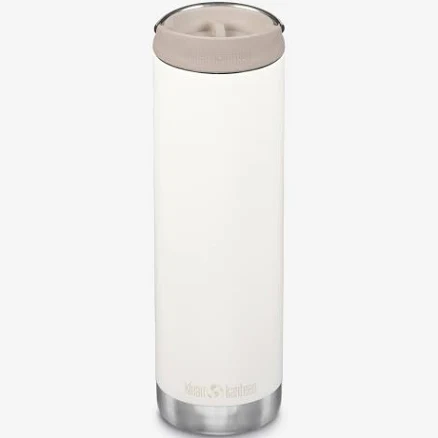
Klean Kanteen
20oz TKWide with Café Cap, Tofu
- Stainless steel bottle, stainless steel cap
- The brand calls it PFAS-free, which we have not verified
- Powder-coat cap degradation over time
3 hazards checked on this product. See all of them.
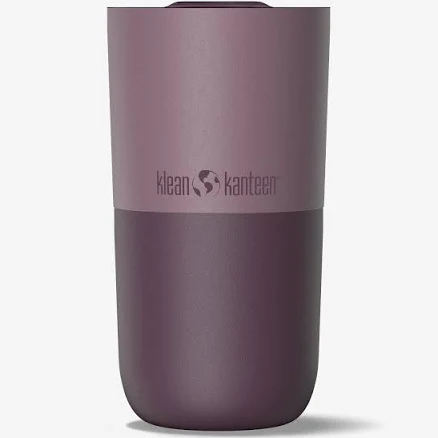
Klean Kanteen
16oz Rise Tumbler
- Stainless steel body, powder-coat finish
- The brand calls it PFAS-free, which we have not verified
- Powder-coat finish degradation
3 hazards checked on this product. See all of them.
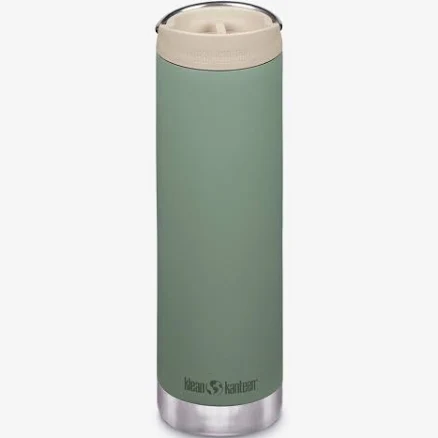
Klean Kanteen
Insulated TKWide Cap
- Stainless steel bottle, plastic cap and silicone gasket
- The brand calls it PFAS-free, which we have not verified
- Silicone gasket degradation and leaching
3 hazards checked on this product. See all of them.
More insulated drink tumblers grades
How we score, every product runs through the same public 0-100 rubric based on materials, coatings, brand disclosure, lab findings, and recalls. See the full methodology → Spotted a mistake? Report an error.