DiCAPac · Waterproof Camera & Lens Protection Cases
WP-One Waterproof Camera Case
Skip until brand discloses waterproof coating chemistry
DiCAPac does not disclose PFAS status or waterproof treatment materials for this sealed case. Waterproof rigid cases typically rely on seals rather than coatings, but confirmation from the brand is absent.
We flunk more products than we pass. This one earned its grade. How we grade
Material
PVC plastic case with sealed construction
Brand disclosure
Brand is silent on PFAS
Lab data
No public lab test
You may also be interested in
Top-graded picks in the categories readers replace first, every one scored on the same rubric.

- polypropylene filter housing, carbon/sediment cartridge
- We found no PFAS statement from the brand
- Bacterial growth in spent cartridges
3 hazards checked on this product, all on its full breakdown.

Aquasure
Premier Series 75 GPD Under Sink Reverse Osmosis Water Filtration System
- RO membrane, carbon filters, stainless steel housing
- We found no PFAS statement from the brand
- Bacterial and microbial growth in housing and filters
4 hazards checked on this product, all on its full breakdown.

Avocado
Vegan Mattress
- organic cotton, natural latex, coconut coir, recycled steel coils
- The brand calls it PFAS-free, which we have not verified
- Heavy metals
2 hazards checked on this product, all on its full breakdown.
What WP-One Waterproof Camera Case is made of, ingredients and materials
The WP-One is constructed from PVC plastic with sealed construction for waterproofing. PVC itself does not inherently leach hazardous additives into air or contact surfaces under normal storage; the main concern is the sealant or waterproof treatment applied to achieve its IP rating. DiCAPac has not publicly disclosed what chemical system seals the case, whether it uses PFAS-based water repellents, silicone, or another method. Without that disclosure, the true safety profile of the waterproofing layer remains unknown.
What’s concerning
Category baseline
The starting point for this type of product, before anything specific to this product is counted.
No PFAS disclosure
No public statement from the brand about PFAS in this product.
Phthalates
PVC formulations sometimes include phthalate plasticizers for flexibility. The WP-One is a rigid case, so phthalate content is likely low or absent, but DiCAPac has not confirmed formulation details. Migration into stored items is minimal because the case does not contact food or skin directly.
Source, ATSDR ↗Volatile organic compounds (VOCs) from sealant or waterproof coating
The sealing system used to achieve waterproofing may off-gas VOCs during initial use or storage in warm conditions. Without disclosure of coating chemistry, risk level cannot be assessed precisely. Off-gassing typically decreases after the first few days of airing.
PVC degradation and brittleness over time
PVC becomes brittle and may crack after prolonged exposure to UV light or extreme heat. Degraded PVC can shed small fragments. This is a durability rather than acute toxicity concern, but it may shorten product life to 3-5 years in high-sun environments.
Bacterial or mold growth in sealed environment
If moisture becomes trapped inside a sealed case during storage, mold or bacterial growth is possible. This is an environmental maintenance issue rather than a material hazard. Ensure the case is completely dry before sealing and store it with the gasket cracked slightly open or in dry air.
What’s reassuring
Heavy metals
No reports of lead or cadmium in DiCAPac gaskets or seals. Rubber or silicone gaskets are typically free of heavy metals, but material composition is not publicly detailed by the brand.
Source, FDA ↗How is this PFAS grade calculated?
The brand's record and disclosure
DiCAPac is a specialty waterproof case manufacturer with a long track record in camera and electronics protection. The brand has not issued public statements on PFAS use, chemical sourcing, or third-party testing of its products. No major recalls or chemical hazard controversies are on record for this model. The silence on waterproof coating chemistry is the limiting factor for informed purchase; most competing brands in this niche likewise do not disclose.
How it compares in its category
Waterproof rigid cases typically rely on sealed gasket design and a hydrophobic surface treatment. DiCAPac's sealed PVC construction is conventional and comparable to hard-case competitors like Pelican or generic waterproof pouches. Soft fabric-lined alternatives (e.g., neoprene pouches) avoid coating chemistry altogether but offer less structural protection. Hard cases are generally preferred for electronics because they reduce pressure and puncture risk, offsetting the coating-disclosure gap slightly.
If you buy it
Store the case in a cool, dry location away from direct sunlight to avoid PVC brittleness over years of use. Do not leave the case in extreme heat (above 60°C / 140°F) for extended periods, as PVC can soften and the seal integrity may degrade. Inspect gaskets annually and replace them if you notice cracking or loss of tension. Rinse the exterior with fresh water after saltwater exposure to extend material life and reduce corrosion of any metal fittings.
What is not known about PFAS in this product?
- Basis
- Model estimate, 35% confidence, not a lab result
- Lab test
- None on record for this exact product
- Brand statement
- DiCAPac has made none
Formulations change between production runs, so check the current label. How we grade.
What are the PFAS-free alternatives to WP-One Waterproof Camera Case?
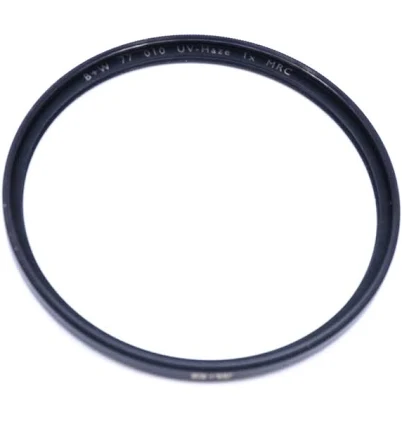
- Optical glass lens with multi-coated optical surfaces
- We found no PFAS statement from the brand
- No PFAS statement found from the brand
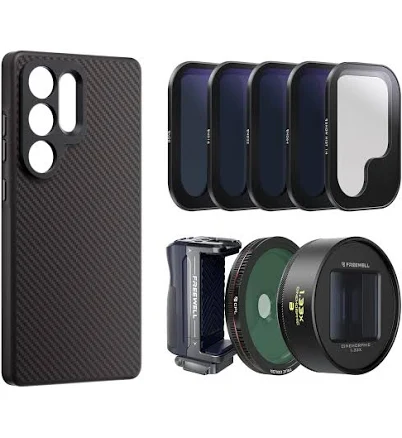
- Glass lens (borosilicate or soda-lime glass)
- Optical coating degradation
2 hazards checked on this product, all on its full breakdown.
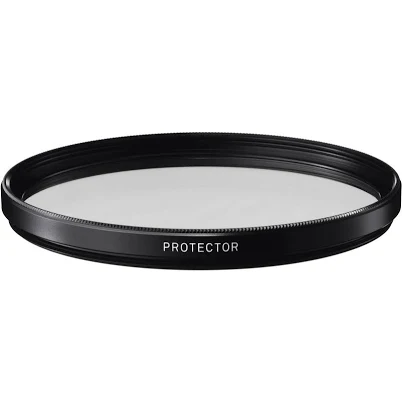
- Optical glass, aluminum frame, non-coated optical surfaces
- We found no PFAS statement from the brand
- Optical glass fragility and sharp edges
More waterproof camera & lens protection cases grades
How we score, every product runs through the same public 0-100 rubric based on materials, coatings, brand disclosure, lab findings, and recalls. See the full methodology → Spotted a mistake? Report an error.