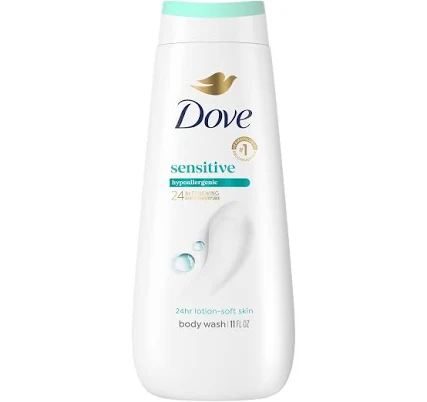
Dove Body Wash Sensitive Skin
Lower concern. Rinse-off liquid cosmetic with no water-repellent finish on record.
Dove Body Wash Sensitive Skin is a rinse-off liquid cosmetic. Material as recorded includes water-based surfactants, glycerin, and plant-derived ingredients, which are not materials linked to PFAS. The brand has no PFAS statement on record.
We flunk more products than we pass. This one earned its grade. How we grade
Material
water-based surfactants, glycerin, plant-derived ingredients
Lab data
No public lab test
You may also be interested in
Top-graded picks in the categories readers replace first, every one scored on the same rubric.

Aqua Pure
3M Aqua-Pure AP802B Whole House Filter Housing
- polypropylene filter housing, carbon/sediment cartridge
- We found no PFAS statement from the brand
- Bacterial growth in spent cartridges
3 hazards checked on this product. See all of them.

Aquasure
Premier Series 75 GPD Under Sink Reverse Osmosis Water Filtration System
- RO membrane, carbon filters, stainless steel housing
- We found no PFAS statement from the brand
- Bacterial and microbial growth in housing and filters
4 hazards checked on this product. See all of them.

Avocado
Vegan Mattress
- organic cotton, natural latex, coconut coir, recycled steel coils
- The brand calls it PFAS-free, which we have not verified
- Heavy metals
2 hazards checked on this product. See all of them.
What Dove Body Wash Sensitive Skin is made of, ingredients and materials
Dove Sensitive Skin is a water-based liquid cleanser built on mild surfactants (primarily sodium lauryl sulfate derivatives) combined with glycerin, dimethicone, and plant-derived emollients. This formulation is designed to minimize skin irritation by balancing cleansing power with moisturizers, reducing the need for harsh stripping agents. Because it is a rinse-off product applied briefly to skin, systemic absorption of individual ingredients is minimal; most contact is transient. The water-based matrix inherently excludes PFAS-containing compounds used in water-resistant coatings.
What’s concerning
Category baseline
The starting point for this type of product, before anything specific to this product is counted.
No PFAS disclosure
No public statement from the brand about PFAS in this product.
Fragrance allergens
Product contains 'fragrance' (not fully disclosed as specific compounds), which is a known category of contact allergens. Individual reactions vary widely; sensitized individuals may experience dermatitis or respiratory irritation, though rates are low in published post-market surveillance.
1,4-dioxane (surfactant byproduct contamination)
Surfactants used in rinse-off products may be contaminated with 1,4-dioxane as a manufacturing byproduct at trace levels. No specific testing data for Dove Sensitive Skin is publicly available, but the cosmetics industry standard for rinse-off products allows up to 10 ppm; exposure via brief skin contact is considered low-risk by regulatory agencies.
Eye or mucous membrane irritation
As a body wash, eye contact should be avoided; some users report mild stinging if the product contacts eyes. This is typical for surfactant-based cleansers and is not unique to Dove, but the 'Sensitive Skin' labeling implies lower irritancy compared to standard body washes.
What’s reassuring
Base material not linked to PFAS
The main material recorded for this product is not one associated with PFAS.
Formaldehyde / VOCs
Published ingredient lists do not identify formaldehyde donors (e.g., DMDM hydantoin, diazolidinyl urea) in this formula. Modern Dove formulations typically use preservative systems with lower hazard profiles, though independent verification is not available.
Source, ATSDR ↗Heavy metals
No dyes or pigments are listed prominently in this product (it is a clear or opaque liquid with minimal coloring). Standard cosmetic regulations require heavy metal screening; no recalls or documented contamination cases exist for this product.
Source, FDA ↗The full breakdown
The brand's record and disclosure
Dove is owned by Unilever and has maintained a moderate transparency stance on ingredient safety. The brand publishes ingredient lists and does not carry independent third-party safety certifications (e.g., EWG Verified or Cradle to Cradle), but also has not faced major recalls or regulatory warnings specific to this product line. Unilever has faced historical criticism over microbeads in other products (phased out after 2015 bans) but Dove Sensitive Skin does not contain microbeads. No substantive controversies are on record for this specific formula.
How it compares in its category
Dove Sensitive Skin occupies the mid-market position for body wash, more affordable than premium dermatologist brands (CeraVe, La Roche-Posay) but perceived as having lower concern than ultra-budget alternatives due to established brand testing standards. Its glycerin-forward formula is broadly comparable to competitors marketed for sensitive skin, though some users prefer fragrance-free options (this product contains fragrance). Independent safety databases (EWG Skin Deep, Cosmetics Database) rate individual ingredients as low to moderate hazard, with no flagged components unique to this brand.
If you buy it
Use as a standard body cleanser with normal water rinse; no special precautions required. If skin irritation occurs, discontinue and patch-test on a small area first, as sensitive skin reactions are individual. Store in a cool, dry place away from heat to preserve emulsifier stability, though the product is not sensitive to temperature extremes during normal home storage. Replace when empty or if the formula separates visibly (rare with this stabilized formulation).
What we don’t know
- Basis
- Model estimate, 82% confidence, not a lab result
- Lab test
- None on record for this exact product
- Brand statement
- Dove has made a specific claim
Formulations change between production runs, so check the current label. How we grade.
More body wash grades
How we score, every product runs through the same public 0-100 rubric based on materials, coatings, brand disclosure, lab findings, and recalls. See the full methodology → Spotted a mistake? Report an error.