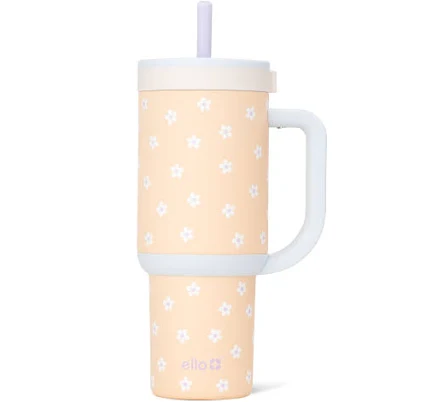
Ello · Insulated Drink Tumblers
Ello Oasis Orange Daisy Tumbler
Lower concern tumbler, though plastic may contain PFAS additives.
Ello Oasis is a basic BPA-free plastic tumbler without obvious PFAS-risk coatings or treatments. No brand PFAS disclosure is available, though inherent plastic risk remains uncharacterized.
We flunk more products than we pass. This one earned its grade. How we grade
Material
BPA-free plastic, stainless steel lid
Brand disclosure
Brand is silent on PFAS
Lab data
No public lab test
What Ello Oasis Orange Daisy Tumbler is made of, ingredients and materials
The Ello Oasis uses BPA-free plastic (likely polypropylene or copolyester) as the primary container material, with a stainless steel lid. BPA-free formulations eliminate the endocrine-disruption risk of bisphenol A, though the specific replacement polymer is not disclosed by Ello. Stainless steel lids avoid leaching concerns from coated metals or rubber gaskets in contact with liquids. The plastic body itself does not contain identified heavy metals or problematic colorants in the orange daisy finish based on available product information.
What’s concerning
No PFAS disclosure
No public statement from the brand about PFAS in this product.
Category baseline
The starting point for this type of product, before anything specific to this product is counted.
BPA & bisphenols
BPA-free plastics sometimes use alternative plasticizers (e.g., BPS, adipates) to maintain flexibility; Ello does not disclose the specific polymer formulation. Risk is low with cold or room-temperature beverages but increases with hot liquids or extended storage.
Source, FDA ↗Microplastics
Repeated thermal cycling, UV exposure, and abrasive dishwashing can degrade lower-quality plastics over 1-2 years. The Ello Oasis is not marketed as ultra-durable, so replacement may be needed sooner than glass alternatives.
Source, EPA ↗Dye stability and leaching from daisy print
Surface dyes or inks on the exterior may migrate into liquids with prolonged contact or hot fill. FDA-approved food-contact dyes are generally lower concern, but Ello does not specify whether the print uses FDA-compliant pigments. Interior contact is minimized if printing is external only.
PFAS
BPA-free plastics may contain PFAS compounds as processing aids or water-repellent coatings in manufacturing. No surface PFAS treatment is known for this tumbler, but bulk polymer additives are not excluded.
Source, ATSDR ↗Bacterial or mold growth in lid gasket
Rubber or silicone gaskets in the stainless steel lid can harbor bacteria if not regularly cleaned or dried. This is a maintenance issue, not a material hazard, and is typical across all tumbler designs with removable lids.
What’s reassuring
Base material not linked to PFAS
The main material recorded for this product is not one associated with PFAS.
The full breakdown
The brand's record and disclosure
Ello does not publicly disclose detailed material certifications, manufacturing standards, or PFAS-related statements on their website or product labeling. The brand has no known safety recalls or regulatory violations on record for this tumbler line. Without third-party testing certifications (e.g., FDA food-contact compliance statements), consumers rely on the stated BPA-free claim and material type. The company's silence on PFAS additives is typical for the beverage-container industry, not flagged as evasive.
How it compares in its category
Reusable plastic tumblers with stainless steel lids are among the lower-risk food-contact plastics when BPA-free formulations are used. Glass alternatives eliminate polymer concerns entirely but are heavier and break-prone. Ello's design is mid-range, better than cheaply coated aluminum or rubber-gasket-heavy bottles, comparable to competitors like Contigo or S'well in disclosed safety posture. The daisy-print finish raises minor concern for dye stability, but surface decoration on food-contact plastics is regulated under FDA guidelines.
If you buy it
Avoid prolonged contact with hot liquids above 140 degrees Fahrenheit to minimize plastic leaching; the lid is dishwasher-safe but hand-washing extends durability. Do not microwave the plastic body. Replace the tumbler if the plastic becomes cloudy, cracked, or odorous, as these signal polymer breakdown. Stainless steel lids rarely fail; inspect rubber gaskets annually for mold or degradation, especially if dishwasher-cycled frequently.
What we don’t know
- Basis
- Model estimate, 72% confidence, not a lab result
- Lab test
- None on record for this exact product
- Brand statement
- Ello has made none
Formulations change between production runs, so check the current label. How we grade.
Better-graded alternatives in Insulated Drink Tumblers
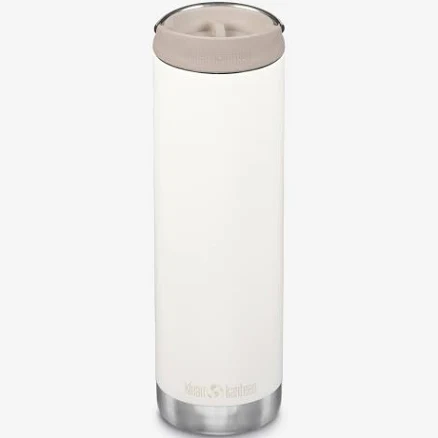
Klean Kanteen
20oz TKWide with Café Cap, Tofu
- Stainless steel bottle, stainless steel cap
- The brand calls it PFAS-free, which we have not verified
- Powder-coat cap degradation over time
3 hazards checked on this product. See all of them.
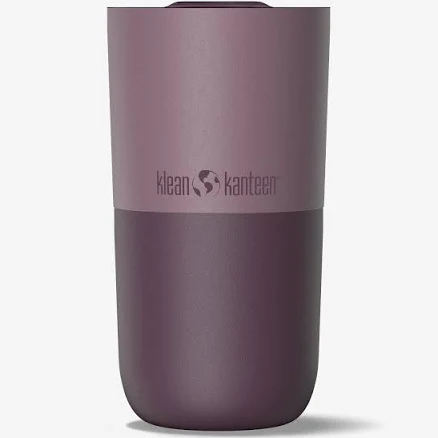
Klean Kanteen
16oz Rise Tumbler
- Stainless steel body, powder-coat finish
- The brand calls it PFAS-free, which we have not verified
- Powder-coat finish degradation
3 hazards checked on this product. See all of them.
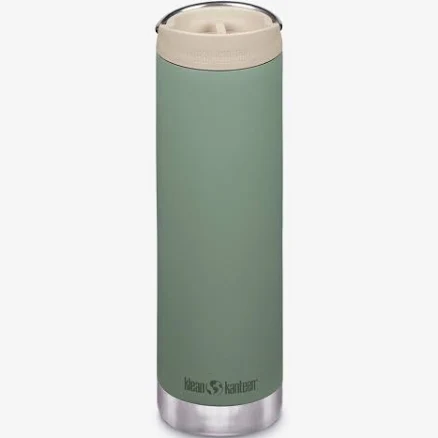
Klean Kanteen
Insulated TKWide Cap
- Stainless steel bottle, plastic cap and silicone gasket
- The brand calls it PFAS-free, which we have not verified
- Silicone gasket degradation and leaching
3 hazards checked on this product. See all of them.
More insulated drink tumblers grades
How we score, every product runs through the same public 0-100 rubric based on materials, coatings, brand disclosure, lab findings, and recalls. See the full methodology → Spotted a mistake? Report an error.