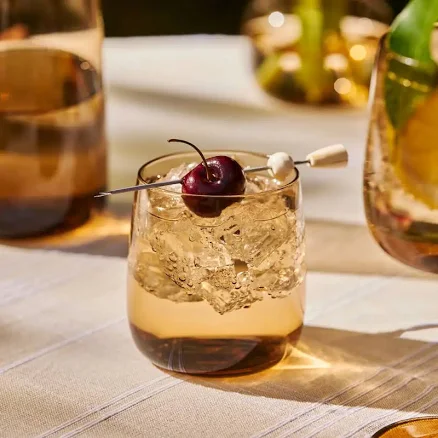
Ember · Insulated Drink Tumblers
Ember Tumblers - Set of 4
Lower PFAS concern; stainless steel drinkware rarely treated.
These Ember tumblers feature double-wall stainless steel insulation. No PFAS-related coatings are typical for this material, though the brand says nothing about PFAS.
We flunk more products than we pass. This one earned its grade. How we grade
Material
Stainless steel double-wall insulated
Brand disclosure
Brand is silent on PFAS
Lab data
No public lab test
What Ember Tumblers - Set of 4 is made of, ingredients and materials
Ember Tumblers are constructed from stainless steel with a double-wall vacuum-insulated design. Stainless steel (typically 18/8 or 304 grade) is inert and does not leach problematic compounds into beverages under normal use. The air gap between walls poses no chemical hazard; the concern with double-wall designs is structural durability (separation over time), not material toxicity.
What’s concerning
No PFAS disclosure
No public statement from the brand about PFAS in this product.
Category baseline
The starting point for this type of product, before anything specific to this product is counted.
Double-wall separation and structural failure
Over time or after impact, the inner and outer walls may separate, allowing liquid into the void space. This is a durability issue rather than a chemical hazard, but compromised seals can trap moisture and promote mold growth if the product is stored damp.
Lid seals and gasket materials
Many insulated tumblers include rubber or silicone gaskets in lids; these can harbor bacteria if not cleaned regularly and may degrade over time, though they do not leach toxic compounds under normal use. Ember's specific lid composition is not disclosed; replace lids if visibly degraded or if odor develops.
Nickel sensitivity from stainless steel contact
Individuals with severe nickel contact dermatitis may experience reactions from prolonged lip or mouth contact with stainless steel tumblers, though this is rare and typically occurs only with direct skin contact over time, not from drinking.
What’s reassuring
Base material not linked to PFAS
The main material recorded for this product is not one associated with PFAS.
Metal leaching from stainless steel
High-quality 304 stainless steel does not leach iron, chromium, or nickel into beverages at normal pH and temperature. No documented cases of leaching from Ember tumblers or similar products exist in public safety databases.
Coatings or interior linings (if present)
No information is publicly available indicating that Ember Tumblers use epoxy, polymer, or ceramic linings that could degrade or leach. The standard design is bare stainless steel interior, which poses no coating hazard.
The full breakdown
The brand's record and disclosure
Ember maintains a silent public stance on PFAS testing and material certifications. No product recalls, safety warnings, or third-party certifications (e.g., NSF, FDA food-contact verification) are publicly documented for this product line. The brand focuses marketing on insulation performance rather than safety transparency, which is typical for drinkware but limits independent verification.
How it compares in its category
Stainless steel tumblers have lower concern for insulated drinkware compared to ceramic glaze contamination risks, Teflon-type coating non-stick degradation (found in some coated alternatives), and plastic leaching concerns. Vacuum-insulated stainless steel products from established brands show no consistent safety issues in published consumer or regulatory data; Ember's design is standard in this category.
If you buy it
Hand wash rather than dishwasher to preserve the double-wall seal and prevent premature separation. Avoid high-impact drops, which can crack the inner wall or compromise the vacuum seal without obvious external damage. Check the seal periodically (condensation on the exterior or loss of insulation indicates failure); at that point, the tumbler should be replaced. Use with any beverage temperature; stainless steel has no thermal limits relevant to safety.
What we don’t know
- Basis
- Model estimate, 72% confidence, not a lab result
- Lab test
- None on record for this exact product
- Brand statement
- Ember has made none
Formulations change between production runs, so check the current label. How we grade.
Better-graded alternatives in Insulated Drink Tumblers
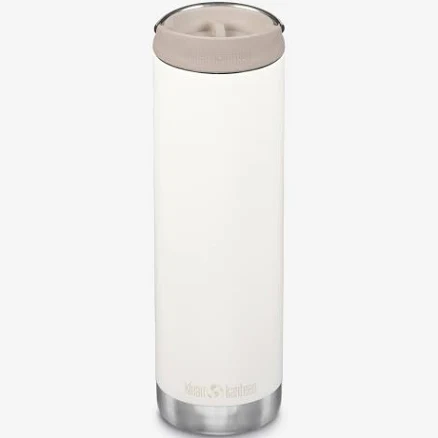
Klean Kanteen
20oz TKWide with Café Cap, Tofu
- Stainless steel bottle, stainless steel cap
- The brand calls it PFAS-free, which we have not verified
- Powder-coat cap degradation over time
3 hazards checked on this product. See all of them.
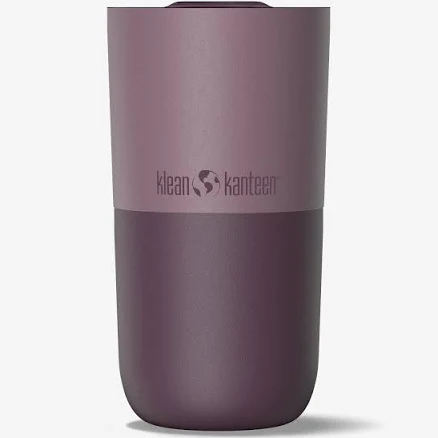
Klean Kanteen
16oz Rise Tumbler
- Stainless steel body, powder-coat finish
- The brand calls it PFAS-free, which we have not verified
- Powder-coat finish degradation
3 hazards checked on this product. See all of them.
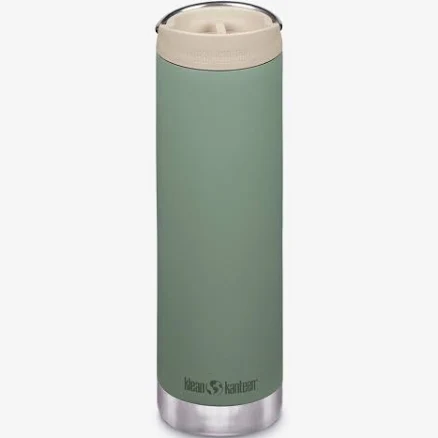
Klean Kanteen
Insulated TKWide Cap
- Stainless steel bottle, plastic cap and silicone gasket
- The brand calls it PFAS-free, which we have not verified
- Silicone gasket degradation and leaching
3 hazards checked on this product. See all of them.
More insulated drink tumblers grades
How we score, every product runs through the same public 0-100 rubric based on materials, coatings, brand disclosure, lab findings, and recalls. See the full methodology → Spotted a mistake? Report an error.