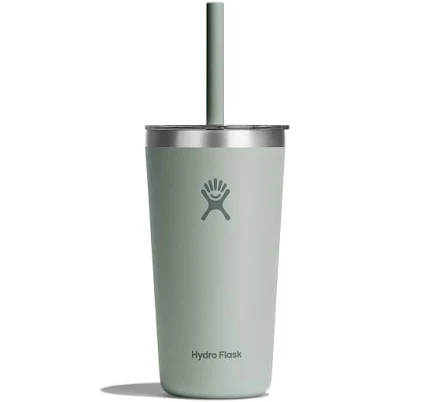
Hydro Flask · Insulated Drink Tumblers
Hydro Flask All Around Tumbler Straw Lid
Stainless steel tumbler with undisclosed lid chemistry and no PFAS statement on record.
The tumbler body is stainless steel, not a material linked to PFAS. The straw lid material composition is not stated. Hydro Flask has no PFAS statement on record for this product.
We flunk more products than we pass. This one earned its grade. How we grade
Material
Stainless steel tumbler, plastic/silicone lid
Lab data
No public lab test
What Hydro Flask All Around Tumbler Straw Lid is made of, ingredients and materials
The Hydro Flask tumbler body is stainless steel (typically 18/8 or 304 grade), which is chemically inert and does not leach metals or BPA into beverages under normal use. The lid and straw are plastic or silicone components, material composition is not publicly detailed by Hydro Flask, making it difficult to assess for BPA, phthalates, or other polymer additives. Stainless steel itself has no known food-safety concerns for drinking vessels.
What’s concerning
Category baseline
The starting point for this type of product, before anything specific to this product is counted.
No PFAS disclosure
No public statement from the brand about PFAS in this product.
BPA & bisphenols
Hydro Flask does not publicly disclose lid resin type or additives. Standard food-grade silicone and polypropylene carry low risk, but undisclosed formulations may include plasticizers or processing aids; no specific contamination has been reported.
Source, FDA ↗Lid seal degradation and bacterial growth
Silicone seals can degrade over time with heat exposure or improper cleaning, allowing bacteria and mold growth in the seal crevice. This is a maintenance issue rather than a manufacturing hazard, but undisclosed material quality makes long-term durability unclear.
Thermal safety of lid at high temperatures
Lid material specifications are not published. If the lid is low-melting plastic (polycarbonate or lower-grade polymers), prolonged contact with very hot beverages could cause softening or release of monomers; silicone is more heat-resistant but limits are not stated.
What’s reassuring
Base material not linked to PFAS
The main material recorded for this product is not one associated with PFAS.
Stainless steel leaching (chromium, nickel)
304-grade stainless steel used in quality tumblers is resistant to corrosion and does not leach detectable metals into neutral or acidic beverages under normal storage. No published incidents for Hydro Flask tumblers.
VOC or off-gassing from plastic components
Food-grade silicone and polypropylene typically do not off-gas at room temperature. No reports of odor or VOC complaints specific to Hydro Flask tumblers; this hazard is low for this category.
The full breakdown
The brand's record and disclosure
Hydro Flask has not made public commitments on PFAS elimination or heavy independent testing of lid materials. The brand has faced no major product recalls or disclosed contamination issues on record, but does not publish material safety data sheets or third-party certifications for plastic components. This silence on composition makes independent hazard assessment limited to the material class rather than brand-specific evidence.
How it compares in its category
Stainless steel tumblers have lower concern for leaching from the core compared to some other drink-vessel materials. However, many competitors (Yeti, S'well, Contigo) similarly withhold detailed lid-material disclosure, so Hydro Flask is neither standout nor exceptional. Glass-lined or fully stainless lids exist but are less common in this price range; most tumblers rely on undisclosed plastic or silicone components.
If you buy it
Hand-wash the lid and straw in cool water rather than hot dishwasher cycles to minimize any leaching risk from plastic components. Do not leave beverages at temperatures above 65°C (150°F) in the lid for extended periods. Replace the lid or straw if visible degradation, discoloration, or odor develops. Store the tumbler empty and dry; prolonged contact between stagnant liquid and undisclosed plastic can promote bacterial film and reduce seal integrity.
What we don’t know
- Basis
- Model estimate, 72% confidence, not a lab result
- Lab test
- None on record for this exact product
- Brand statement
- Hydro Flask has made a specific claim
Formulations change between production runs, so check the current label. How we grade.
Better-graded alternatives in Insulated Drink Tumblers
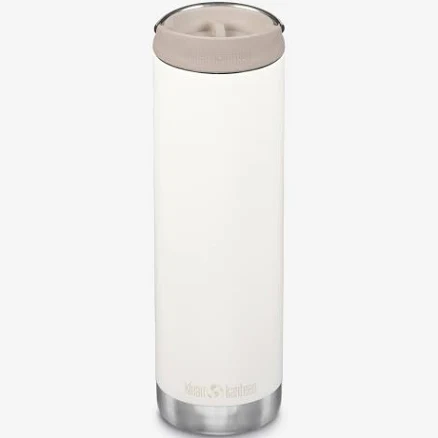
Klean Kanteen
20oz TKWide with Café Cap, Tofu
- Stainless steel bottle, stainless steel cap
- The brand calls it PFAS-free, which we have not verified
- Powder-coat cap degradation over time
3 hazards checked on this product. See all of them.
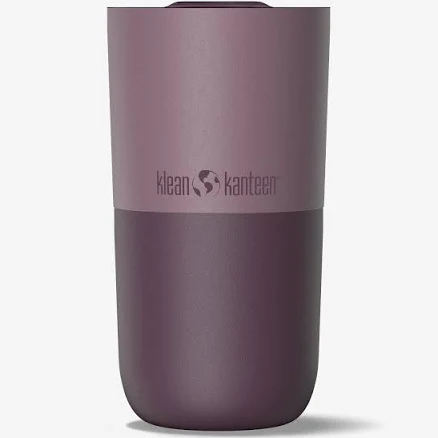
Klean Kanteen
16oz Rise Tumbler
- Stainless steel body, powder-coat finish
- The brand calls it PFAS-free, which we have not verified
- Powder-coat finish degradation
3 hazards checked on this product. See all of them.
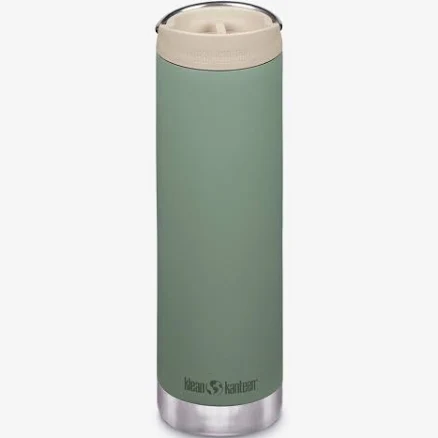
Klean Kanteen
Insulated TKWide Cap
- Stainless steel bottle, plastic cap and silicone gasket
- The brand calls it PFAS-free, which we have not verified
- Silicone gasket degradation and leaching
3 hazards checked on this product. See all of them.
More insulated drink tumblers grades
How we score, every product runs through the same public 0-100 rubric based on materials, coatings, brand disclosure, lab findings, and recalls. See the full methodology → Spotted a mistake? Report an error.