KastKing · Fishing Tackle & Gear
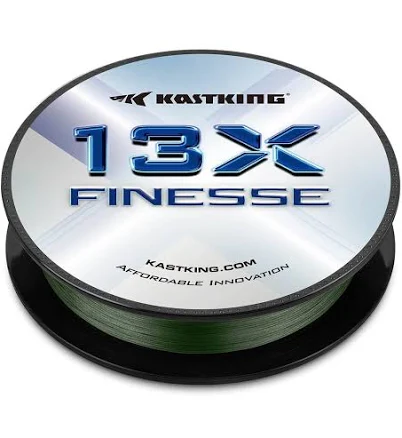
KastKing Finesse Braided Fishing Line
Lower concern, braided PE fishing line carries minimal PFAS risk.
KastKing Finesse is braided polyethylene, a standard plastic polymer without known PFAS intentional use. PE line is lower risk than Teflon-family coating-coated alternatives.
We flunk more products than we pass. This one earned its grade. How we grade
Material
Braided polyethylene (PE) fishing line
Brand disclosure
Brand is silent on PFAS
Lab data
No public lab test
You may also be interested in
Top-graded picks in the categories readers replace first, every one scored on the same rubric.

- polypropylene filter housing, carbon/sediment cartridge
- We found no PFAS statement from the brand
- Bacterial growth in spent cartridges
3 hazards checked on this product, all on its full breakdown.

Aquasure
Premier Series 75 GPD Under Sink Reverse Osmosis Water Filtration System
- RO membrane, carbon filters, stainless steel housing
- We found no PFAS statement from the brand
- Bacterial and microbial growth in housing and filters
4 hazards checked on this product, all on its full breakdown.

Avocado
Vegan Mattress
- organic cotton, natural latex, coconut coir, recycled steel coils
- The brand calls it PFAS-free, which we have not verified
- Heavy metals
2 hazards checked on this product, all on its full breakdown.
What KastKing Finesse Braided Fishing Line is made of, ingredients and materials
KastKing Finesse is braided polyethylene (PE), a synthetic polymer that does not rely on toxic binders, dyes, or flame retardant coatings typical of other textiles. PE itself is chemically inert in water and does not leach heavy metals, plasticizers, or formaldehyde under normal fishing conditions. Braided construction means multiple PE strands are twisted together for strength; this geometry actually reduces surface area exposure compared to monofilament alternatives. The line is designed for constant water immersion, where PE remains stable and does not degrade into microplastics at temperatures encountered in freshwater or saltwater fishing.
What’s concerning
Category baseline
The starting point for this type of product, before anything specific to this product is counted.
No PFAS disclosure
No public statement from the brand about PFAS in this product.
Microplastic shedding from line degradation
Braided PE can fray and fragment after repeated casting, knot stress, and UV exposure over extended use. Shed fibers enter aquatic ecosystems; this is inherent to the material class, not a defect of this brand, but remains a concern for frequent anglers.
Coating degradation or loss of surface integrity
Some braided PE lines are treated with synthetic lubricants or hardeners to improve casting smoothness. Extended exposure to sunlight, salt, or abrasive guides can wear these coatings, exposing the core fiber. Impact on safety is low but durability is affected.
What’s reassuring
Base material not linked to PFAS
The main material recorded for this product is not one associated with PFAS.
Heavy metals
No published recalls or reports of lead, cadmium, or chromium in KastKing Finesse line. PE braided lines typically use minimal dyes; available evidence does not indicate a hazard for this product.
Source, FDA ↗Leaching of plasticizers or stabilizers during water immersion
PE is chemically stable and does not require phthalates or BPA for function. Braided construction does not use adhesives or resins that commonly leach additives. No established risk for this material class in aquatic environments.
Formaldehyde / VOCs
KastKing Finesse is available in multiple colors; no evidence of formaldehyde-releasing resins or carcinogenic azo dyes in this line. Most braided PE lines use non-toxic synthetic dyes, but confirmation for this specific product is not published.
Source, ATSDR ↗How is this PFAS grade calculated?
The brand's record and disclosure
KastKing (owned by Eposeidon Inc., a Chinese manufacturer) publishes no third-party safety certifications or detailed material disclosures for this product. The brand has not faced recorded product recalls or public safety complaints specific to the Finesse braided line. No established pattern of transparency on chemical composition exists in available sources, but the absence of a known controversy does not indicate hazard; it reflects limited scrutiny of fishing tackle in mainstream consumer safety databases. The company's silence on PFAS content aligns with industry-wide opacity in this category.
How it compares in its category
Braided PE fishing lines are a mainstream choice with lower concern than monofilament nylon (which can contain UV stabilizers and plasticizers) or fluorocarbon lines (which carry indefinite environmental persistence). KastKing Finesse is competitively priced and widely available; comparable brands (Spiderwire, PowerPro) use similar PE construction and offer no demonstrably better chemical safety profiles. The main differentiation is durability and handling, not chemical composition. Braided PE as a category avoids the formaldehyde resins and azo dyes associated with textiles but is not exempt from microplastic risk if the line fragments over years of use.
If you buy it
Store the line in a cool, dry place away from direct sunlight to minimize UV-induced brittleness and surface cracking over months. Inspect regularly for visible fraying, knots, or discoloration; replace the line if it shows signs of degradation, as weakened PE strands can shed microfibers during casting and retrieval. Rinse the line with fresh water after saltwater use to prevent salt crystal accumulation, which accelerates wear. Do not expose to temperatures above 60-70 degrees Celsius (unlikely in typical use); PE has a melting point around 130 degrees Celsius but loses strength well before that.
What is not known about PFAS in this product?
- Basis
- Model estimate, 72% confidence, not a lab result
- Lab test
- None on record for this exact product
- Brand statement
- KastKing has made none
Formulations change between production runs, so check the current label. How we grade.
More fishing tackle & gear grades
How we score, every product runs through the same public 0-100 rubric based on materials, coatings, brand disclosure, lab findings, and recalls. See the full methodology → Spotted a mistake? Report an error.