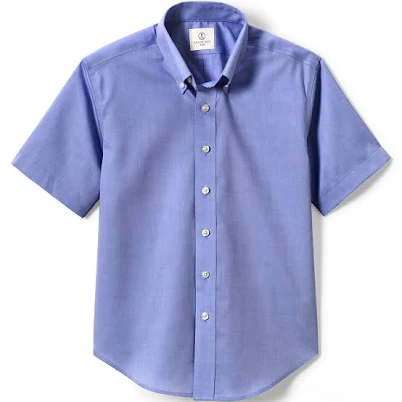
Lands' End School Uniform Boys Short Sleeve No Iron Pinpoint Dress Shirt
No-iron finish raises PFAS concern; brand silent on chemistry.
The no-iron finish on this cotton shirt likely uses a durable press treatment, often PFAS-based. Lands' End discloses nothing about treatment chemistry. High uncertainty without lab testing or brand transparency.
Still want this one anyway? Check the price on Amazon. We’d swap it.
Material
cotton with no-iron finish treatment
Brand disclosure
Brand is silent on PFAS
Lab data
No public lab test
You may also be interested in
Top-graded picks in the categories readers replace first, every one scored on the same rubric.

- polypropylene filter housing, carbon/sediment cartridge
- We found no PFAS statement from the brand
- Bacterial growth in spent cartridges
3 hazards checked on this product, all on its full breakdown.

Aquasure
Premier Series 75 GPD Under Sink Reverse Osmosis Water Filtration System
- RO membrane, carbon filters, stainless steel housing
- We found no PFAS statement from the brand
- Bacterial and microbial growth in housing and filters
4 hazards checked on this product, all on its full breakdown.

Avocado
Vegan Mattress
- organic cotton, natural latex, coconut coir, recycled steel coils
- The brand calls it PFAS-free, which we have not verified
- Heavy metals
2 hazards checked on this product, all on its full breakdown.
What Lands' End School Uniform Boys Dress Shirt is made of, ingredients and materials
This shirt is cotton with a durable press or no-iron finish applied to the fabric. That finish is typically a formaldehyde-based resin or, increasingly, fluorocarbon compounds (PFAS). The no-iron treatment bonds to cotton fibers to reduce wrinkles and shrinkage, but the chemistry used to achieve that finish is the primary safety concern for this product. Cotton itself is relatively low-risk; the treatment layer is where hazards concentrate.
What’s concerning
Waterproof / stain-resistant treatment
Water-repellent coating treatments have historically used PFAS.
Category baseline
The starting point for this type of product, before anything specific to this product is counted.
No PFAS disclosure
No public statement from the brand about PFAS in this product.
Formaldehyde / VOCs
No-iron finishes may use formaldehyde-based crosslinking resins. Residual formaldehyde can be present in untreated fabric and may off-gas slightly, especially in warm or humid conditions. Washing before wear reduces this risk.
Source, ATSDR ↗PFAS
Modern no-iron treatments increasingly use per- and polyfluoroalkyl compounds to improve durability. Lands' End does not disclose the type of finish used, so PFAS presence cannot be ruled out. This is graded separately but drives overall concern for this product.
Source, ATSDR ↗Formaldehyde / VOCs
Formaldehyde releasers are documented in durable-press cotton treatments industry-wide. No brand-specific violations on record for Lands' End, but the treatment class inherently involves formaldehyde chemistry at manufacture.
Source, ATSDR ↗Allergen residues from finish processing
Finishing chemicals and solvents used in application can remain in the fabric. Sensitive individuals may experience skin irritation on first wear. Pre-washing and air-drying before use mitigates this risk substantially.
What’s reassuring
Azo dyes or synthetic dyes
No specific reports of banned azo dyes in Lands' End cotton shirts. The brand uses conventional dyeing; no evidence of particularly hazardous dye chemistry, but full dye inventory is not publicly available.
How is this PFAS grade calculated?
The brand's record and disclosure
Lands' End does not publicly disclose the specific chemistry of its no-iron treatments or whether PFAS are used. The brand has not published a restricted substance list (RSL) or sustainability report detailing durable-press chemistry. No established recalls or safety warnings on file for this specific product line. The silence on treatment chemistry is typical of apparel brands but leaves buyers without assurance on PFAS avoidance.
How it compares in its category
School uniform shirts with no-iron finishes are widespread; this product is standard in that regard. Untreated 100% cotton dress shirts are available but less convenient and may wrinkle more easily. Lands' End's pricing and brand positioning are middle-market; competitors like L.L.Bean and department-store house brands use similar formulations. No-iron finishes are the norm for school uniforms, so this product is not an outlier in risk profile for the category.
If you buy it
Wash before first wear to remove any loose finish particles or formaldehyde residue. Use warm water, not hot, as heat can accelerate leaching of treatment chemicals into the fabric. Air dry or use low heat; high-heat dryers and ironing can degrade the no-iron coating and potentially release volatile compounds. Replace when the no-iron finish visibly deteriorates (yellowing, stiffness loss, or visible coating cracking), typically after 30-50 wash cycles.
What is not known about PFAS in this product?
- Basis
- Model estimate, 45% confidence, not a lab result
- Lab test
- None on record for this exact product
- Brand statement
- Lands' End has made none
Formulations change between production runs, so check the current label. How we grade.
What are the PFAS-free alternatives to Lands' End School Uniform Boys Short Sleeve No Iron Pinpoint Dress Shirt?
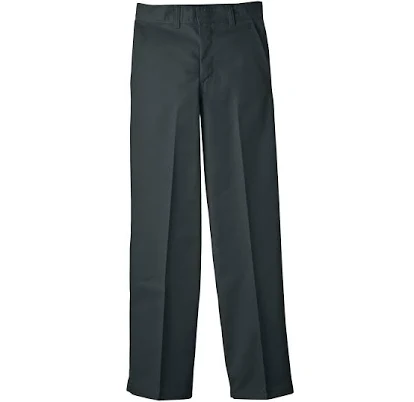
- cotton/polyester blend, no special coatings
- We found no PFAS statement from the brand
- Azo dyes and colorants
4 hazards checked on this product, all on its full breakdown.
Find an alternative on Amazon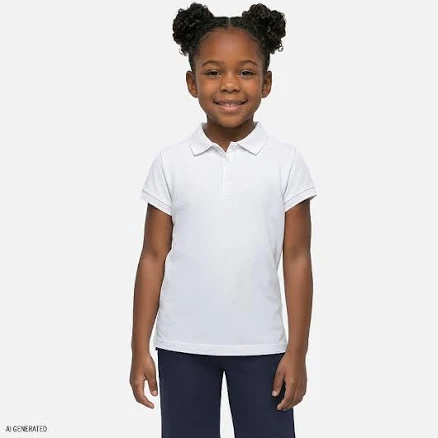
- 100% cotton pique knit
- We found no PFAS statement from the brand
- Azo dyes and synthetic colorants
2 hazards checked on this product, all on its full breakdown.
Find an alternative on Amazon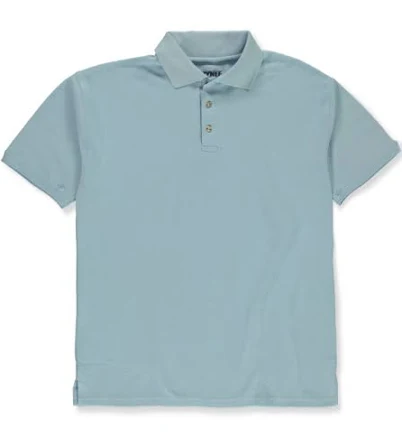
- 100% cotton pique
- We found no PFAS statement from the brand
- Azo dyes (synthetic colorants)
3 hazards checked on this product, all on its full breakdown.
Find an alternative on AmazonMore school uniforms grades
How we score, every product runs through the same public 0-100 rubric based on materials, coatings, brand disclosure, lab findings, and recalls. See the full methodology → Spotted a mistake? Report an error.