Lifetrak · Waterproof Fitness Trackers & Cases
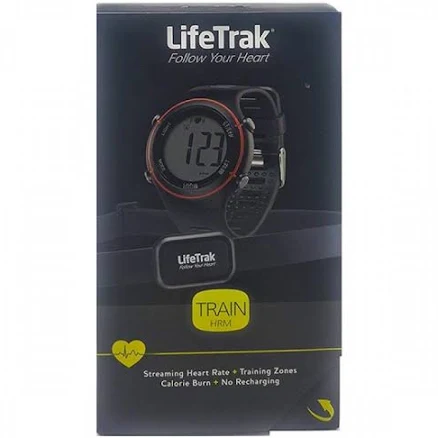
LifeTrak Train Heart Rate Monitor Watch
No coating described, and no PFAS statement from the brand.
The product information we reviewed describes plastic case, elastomer band, with no water-repellent coating named. Water resistance on products like this usually comes from the material and its seals rather than a surface treatment. The brand has published no PFAS statement for it.
We flunk more products than we pass. This one earned its grade. How we grade
Material
Plastic case, elastomer band
Brand disclosure
Brand is silent on PFAS
Lab data
No public lab test
You may also be interested in
Top-graded picks in the categories readers replace first, every one scored on the same rubric.

- polypropylene filter housing, carbon/sediment cartridge
- We found no PFAS statement from the brand
- Bacterial growth in spent cartridges
3 hazards checked on this product, all on its full breakdown.

Aquasure
Premier Series 75 GPD Under Sink Reverse Osmosis Water Filtration System
- RO membrane, carbon filters, stainless steel housing
- We found no PFAS statement from the brand
- Bacterial and microbial growth in housing and filters
4 hazards checked on this product, all on its full breakdown.

Avocado
Vegan Mattress
- organic cotton, natural latex, coconut coir, recycled steel coils
- The brand calls it PFAS-free, which we have not verified
- Heavy metals
2 hazards checked on this product, all on its full breakdown.
What LifeTrak Train Heart Rate Monitor Watch is made of, ingredients and materials
The LifeTrak Train uses a plastic case and elastomer (rubber-like) band typical of budget fitness trackers. Plastic housings in wearables are generally ABS or similar thermoplastics chosen for durability and cost, not chemical stability under stress. Elastomer bands can leach plasticizers if exposed to heat or sweat over extended wear, though migration rates at body temperature are typically low. No specific material certifications or composition data from LifeTrak are publicly available for this model.
What’s concerning
Category baseline
The starting point for this type of product, before anything specific to this product is counted.
No PFAS disclosure
No public statement from the brand about PFAS in this product.
Elastomer plasticizer leaching
Elastomer bands in fitness trackers can migrate trace plasticizers (e.g., phthalates or other softening agents) through sweat and friction, especially with prolonged skin contact and body heat. Exposure levels at standard use are expected to be below regulatory concern, but individuals with sensitive skin may experience irritation.
Battery leakage and chemical exposure
Fitness watch batteries (typically lithium coin cells) carry a low but real risk of leakage if the case seal fails or the device is damaged. Leakage exposure would be primarily to the liquid electrolyte inside the battery, not the plastic case itself. No recalls specific to this model are on record.
Bacterial or mold growth in band seams
Elastomer bands with stitched or glued seams can harbor bacteria and mold if not dried thoroughly after sweat or water exposure. This is a hygiene and skin irritation issue rather than a chemical one, but is common in budget fitness trackers with removable or rigid-bonded bands.
What’s reassuring
Base material not linked to PFAS
The main material recorded for this product is not one associated with PFAS.
Plastic off-gassing (VOC)
No specific off-gassing complaints or test results are documented for the LifeTrak Train. Standard ABS or polycarbonate cases used in fitness trackers release minimal volatile organic compounds at room and body temperatures; risk is primarily a concern during manufacturing or if the watch is heated intentionally.
Heavy metals
Electronics-grade solder and circuit board finishes in fitness watches are subject to RoHS regulations in most markets, which restrict lead, cadmium, and mercury. No violations or recalls are documented for LifeTrak products, but the brand does not publish material safety data.
Source, FDA ↗How is this PFAS grade calculated?
The brand's record and disclosure
LifeTrak is a minor consumer electronics brand with no established record of chemical safety testing, third-party certifications (e.g., CPSIA, CE marking compliance statements), or public disclosures on material sourcing. No recalls or safety controversies specific to this model are documented in public databases. The brand's silence on PFAS and material composition is typical of budget fitness tracker makers but reflects a lack of transparency rather than confirmed safety.
How it compares in its category
Budget fitness watches like the LifeTrak Train occupy a lower tier than branded competitors (Garmin, Fitbit, Apple Watch) in terms of material specification and quality control documentation. Plastic cases and elastomer bands are standard at this price point and carry similar chemical exposure profiles to dozens of similar models. This product offers no material or safety advantages over or below comparable budget trackers; category-wide hazards apply equally.
If you buy it
Avoid prolonged exposure to direct heat (e.g., leaving on a car dashboard or near heaters), which can accelerate plasticizer leaching from the elastomer band. Clean the band regularly with mild soap and water rather than harsh solvents to reduce skin irritation from sweat-accumulated residues. Replace the band if it becomes visibly cracked, sticky, or discolored, as these signs indicate polymer degradation. Remove the watch during swimming or heavy sweating if possible, as continuous moisture can trap contaminants against skin.
What is not known about PFAS in this product?
- Basis
- Model estimate, 35% confidence, not a lab result
- Lab test
- None on record for this exact product
- Brand statement
- Lifetrak has made none
Formulations change between production runs, so check the current label. How we grade.
More waterproof fitness trackers & cases grades
How we score, every product runs through the same public 0-100 rubric based on materials, coatings, brand disclosure, lab findings, and recalls. See the full methodology → Spotted a mistake? Report an error.