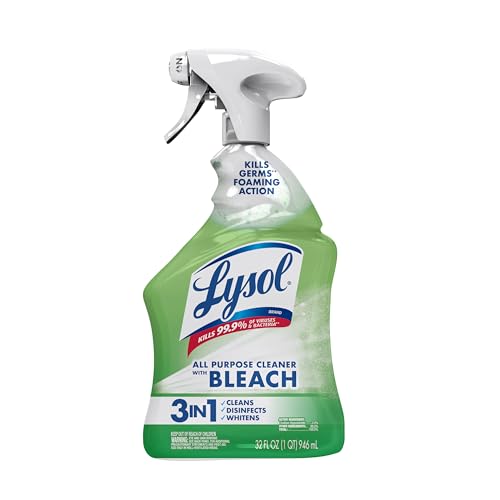
Lysol Multi-Purpose Cleaner Bleach
Skip; PFAS risk in cleaning products unclear, no brand disclosure.
Lysol Multi-Purpose Cleaner Bleach contains surfactants and fragrance, both potentially sourced with PFAS. No public PFAS disclosure or testing from Lysol available.
We flunk more products than we pass. This one earned its grade. How we grade
Material
Water, sodium hypochlorite, surfactants, dyes, fragrance
Lab data
No public lab test
You may also be interested in
Top-graded picks in the categories readers replace first, every one scored on the same rubric.

- polypropylene filter housing, carbon/sediment cartridge
- We found no PFAS statement from the brand
- Bacterial growth in spent cartridges
3 hazards checked on this product, all on its full breakdown.

Aquasure
Premier Series 75 GPD Under Sink Reverse Osmosis Water Filtration System
- RO membrane, carbon filters, stainless steel housing
- We found no PFAS statement from the brand
- Bacterial and microbial growth in housing and filters
4 hazards checked on this product, all on its full breakdown.

Avocado
Vegan Mattress
- organic cotton, natural latex, coconut coir, recycled steel coils
- The brand calls it PFAS-free, which we have not verified
- Heavy metals
2 hazards checked on this product, all on its full breakdown.
What Lysol Multi-Purpose Cleaner Bleach is made of, ingredients and materials
Lysol Multi-Purpose Cleaner Bleach is a water-based solution containing sodium hypochlorite (the active bleach agent), surfactants (detergents to lift dirt), synthetic dyes for color, and fragrance compounds. Sodium hypochlorite is a strong oxidizer and corrosive; it disinfects by breaking down microbial cell walls. Surfactants reduce surface tension to help the bleach penetrate and remove soils. The dyes and fragrance are cosmetic but can be respiratory or dermal irritants in concentrated form.
What’s concerning
Category baseline
The starting point for this type of product, before anything specific to this product is counted.
No PFAS disclosure
No public statement from the brand about PFAS in this product.
Sodium hypochlorite acute toxicity and caustic burn risk
Concentrated bleach is a known corrosive hazard; accidental ingestion or prolonged skin contact causes chemical burns. Lysol's formulation is diluted for consumer use, reducing but not eliminating this risk if misused or if concentrate is accessed by children.
Chlorine gas generation from chemical mixing
Sodium hypochlorite reacts dangerously with ammonia (found in window and toilet cleaners), producing toxic chlorine gas. This hazard is inherent to the active ingredient and documented in product safety data; user error or accidental mixing poses significant acute inhalation risk.
Fragrance allergens and respiratory irritation
The fragrance blend in this product is not itemized on the label. Synthetic fragrances in bleach cleaners commonly contain limonene, linalool, or other volatile compounds that can trigger asthma, contact dermatitis, or sensory irritation in sensitive individuals, especially with prolonged inhalation in poorly ventilated spaces.
Dye ingestion or eye contact hazard
The synthetic dyes used to color Lysol products are not individually disclosed. While approved for use in cleaning products, accidental eye contact or ingestion (especially by children) could cause localized irritation or staining; some industrial azo dyes carry historical toxicity concerns, though consumer formulations are typically lower-risk variants.
Sodium hypochlorite degradation and potency loss
Sodium hypochlorite degrades in light and heat, losing disinfectant strength over time. Old or improperly stored bottles may not disinfect effectively, leading to false confidence in microbial control and potential undercounting of hygiene effectiveness.
How is this PFAS grade calculated?
The brand's record and disclosure
Lysol (a Reckitt brand product line) has a long history as a disinfectant and does not publicly disclose detailed ingredient sourcing or heavy-metal testing results for consumer products in this category. The brand has not faced major recalls for this specific product, but Reckitt faced criticism in 2020 for misleading COVID-19 disinfection claims. No third-party certifications (e.g., EPA Design for the Environment, Green Seal) appear on the standard formulation. PFAS disclosure is absent; typical bleach-based cleaners are not required to test for PFAS, leaving the status unclear.
How it compares in its category
Sodium hypochlorite cleaners are among the most aggressive disinfectants available and are effective against a broad spectrum of bacteria, viruses, and fungi. They are cheaper and faster than enzymatic or plant-based alternatives but carry higher acute toxicity risk if misused (skin burns, respiratory irritation, toxic gas formation if mixed with ammonia). Certified green alternatives (e.g., hydrogen peroxide-based or plant-derived disinfectants) exist but are slower-acting and costlier. Lysol's formulation is typical for its category; no material advantage or disadvantage versus store-brand bleach cleaners.
If you buy it
Always dilute according to label instructions; undiluted bleach can cause chemical burns. Use in well-ventilated spaces to avoid inhalation of chlorine vapors or fragrance irritants. Never mix with ammonia-based cleaners, acidic products, or alcohol-based cleaners (risk of toxic chlorine gas or other dangerous reactions). Wear gloves to avoid skin contact. Keep away from children and pets. Store in a cool, dark place; sodium hypochlorite degrades over time, losing disinfectant potency, so replace bottles annually or per label expiration.
What is not known about PFAS in this product?
- Basis
- Model estimate, 72% confidence, not a lab result
- Lab test
- None on record for this exact product
- Brand statement
- Lysol has made a specific claim
Formulations change between production runs, so check the current label. How we grade.
What are the PFAS-free alternatives to Lysol Multi-Purpose Cleaner Bleach?

- Hypochlorous acid electrochemical solution
- A third party reports verifying it as PFAS-free
- Oxidizer / skin and eye irritation
3 hazards checked on this product, all on its full breakdown.
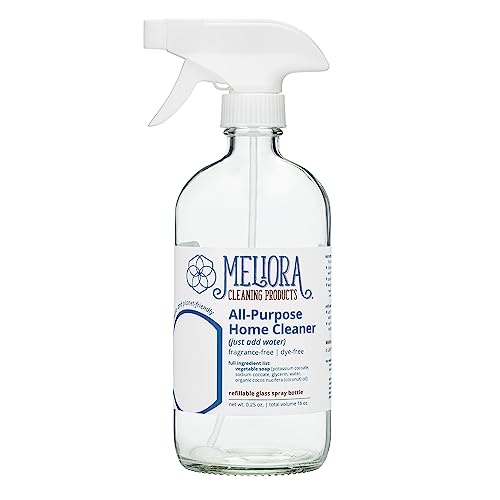
- Plant-derived surfactants, water, essential oils
- A third party reports verifying it as PFAS-free
- Essential oil inhalation and sensitization
3 hazards checked on this product, all on its full breakdown.
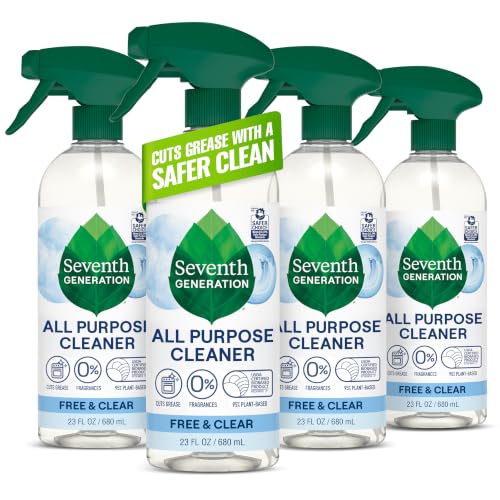
- water, plant-derived surfactants, mineral salts
- A third party reports verifying it as PFAS-free
- Skin irritation from surfactants
2 hazards checked on this product, all on its full breakdown.
More all-purpose cleaner grades
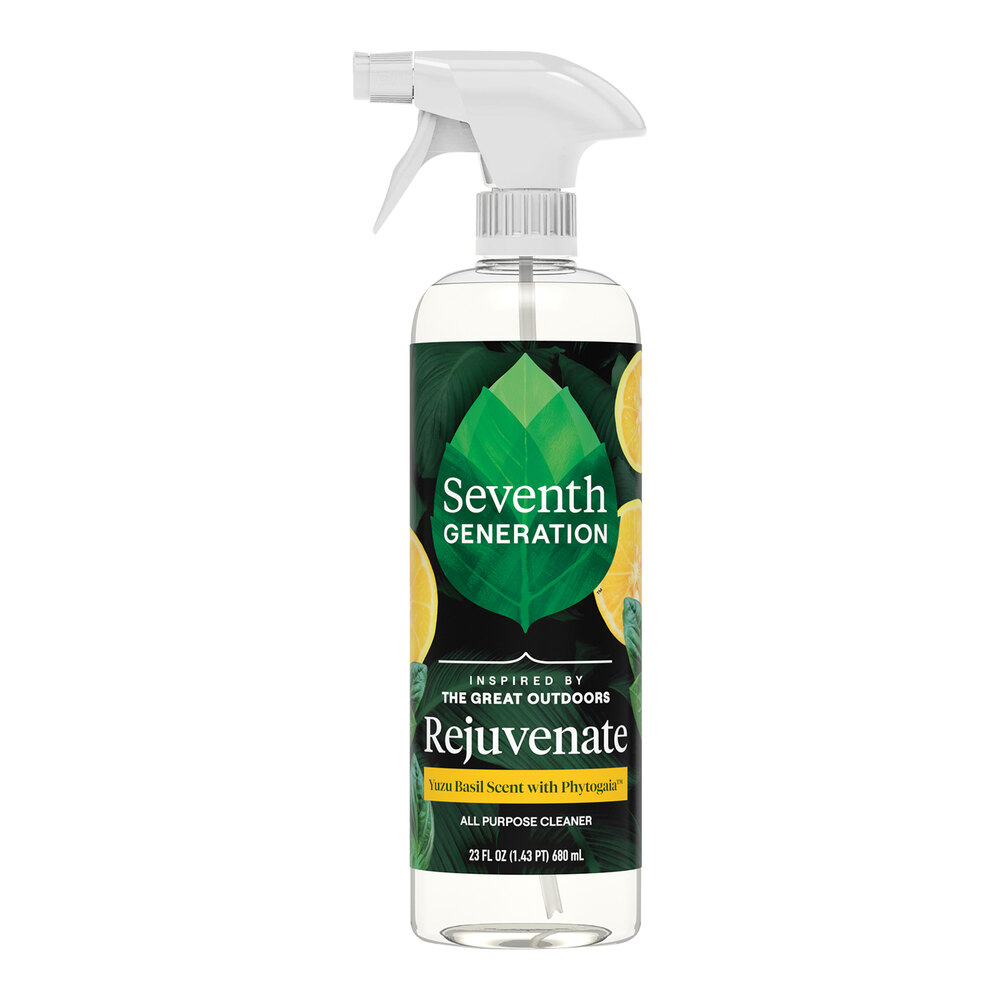 100Seventh Generation All Purpose Cleaner - Yuzu Basil with Phytogaia™
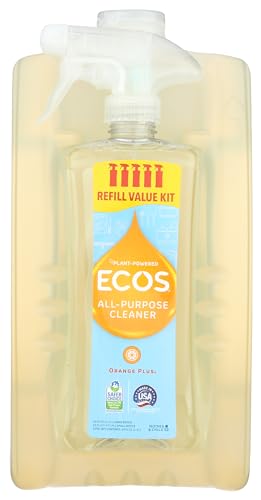 100ECOS All-Purpose Cleaner - Orange
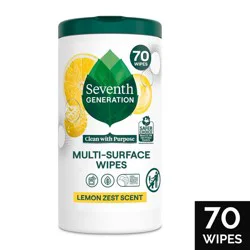 100Seventh Generation All Purpose Cleaner - Lemon Zest
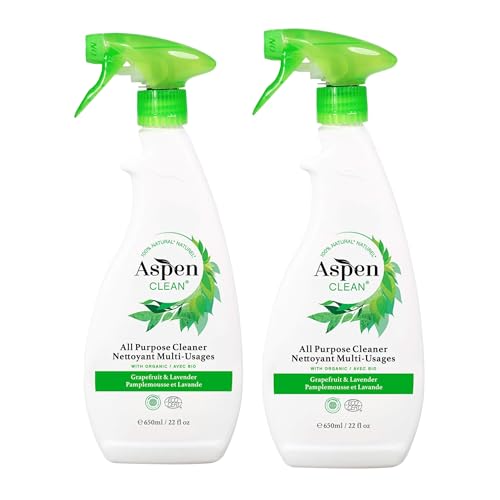 100AspenClean Natural All Purpose Cleaner
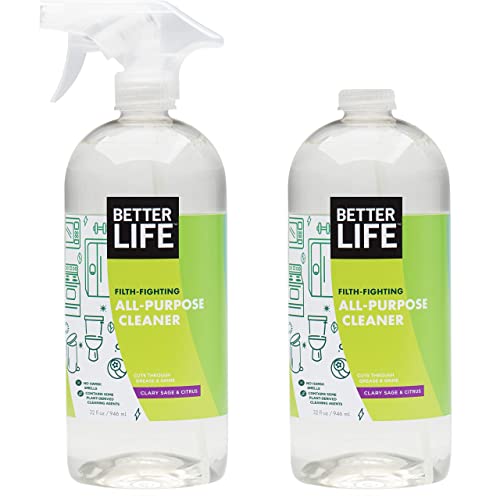 100Better Life All Purpose Cleaner
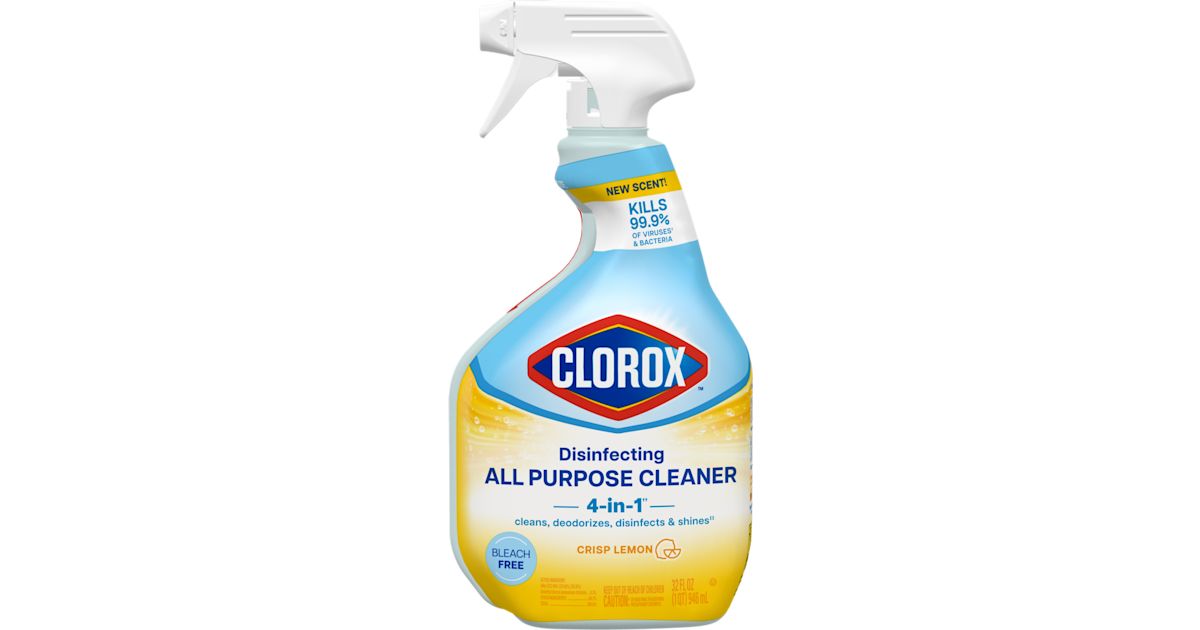 75Clorox Disinfecting All Purpose Cleaner Spray
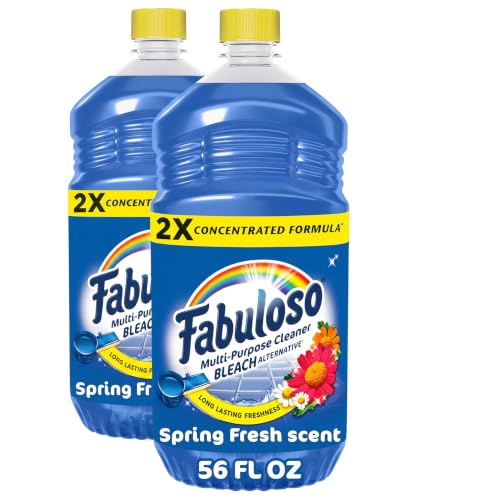 75Fabuloso 2X Multi-Purpose Cleaner, Tropical Spring Scent
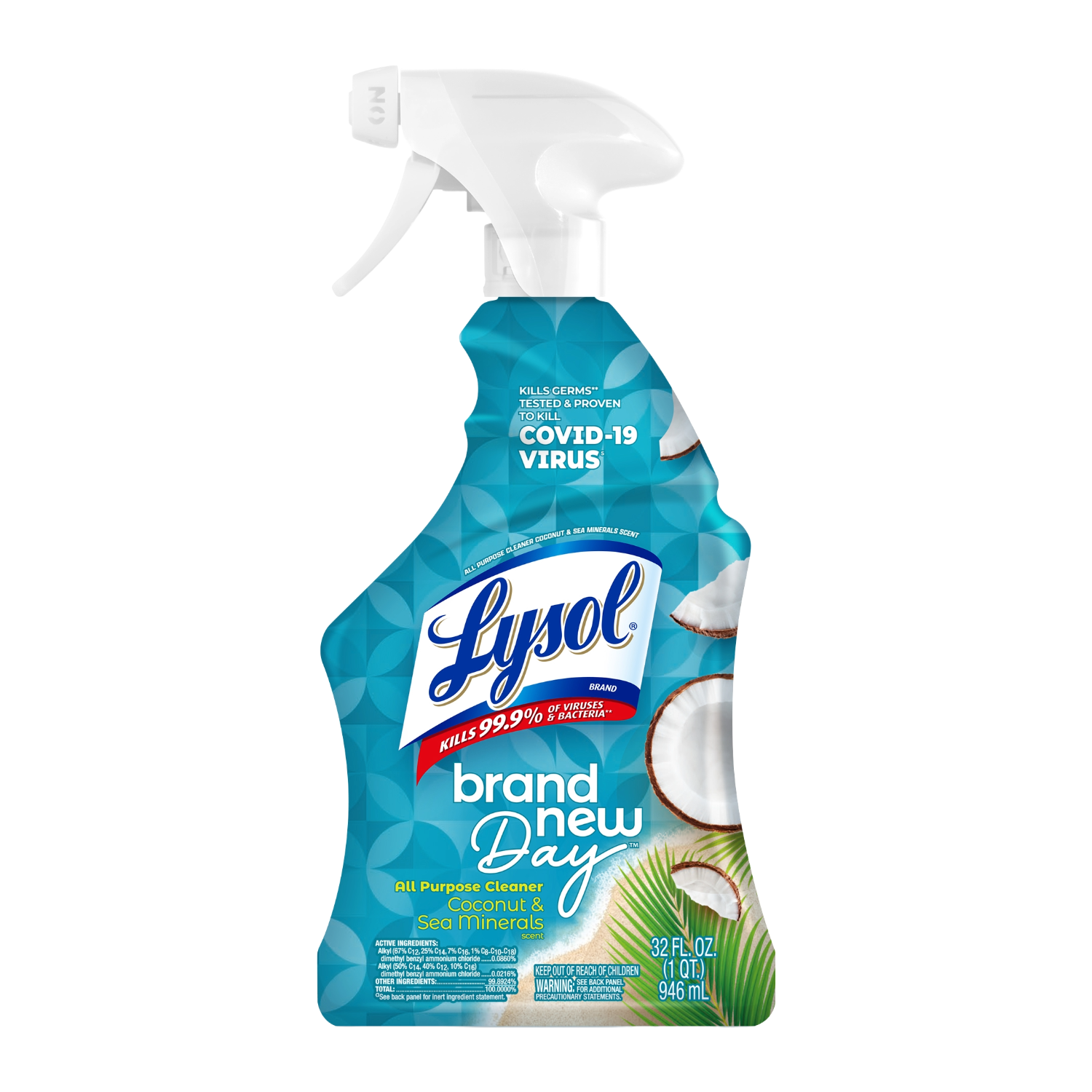 75Lysol All Purpose Cleaner Brand New Day Coconut & Sea Minerals
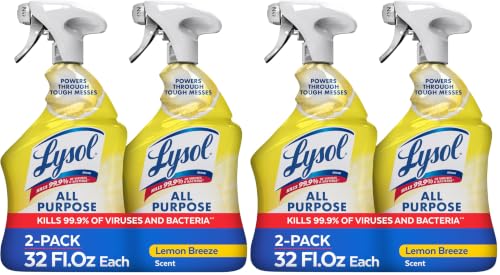 75Lysol All Purpose Cleaner Spray Lemon Breeze
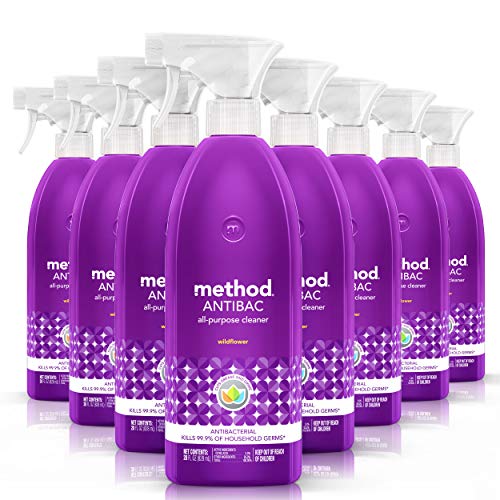 75Method All-Purpose Cleaner Spray, WildflowerCompare vs Force of Nature →All all-purpose cleaner →
How we score, every product runs through the same public 0-100 rubric based on materials, coatings, brand disclosure, lab findings, and recalls. See the full methodology → Spotted a mistake? Report an error.