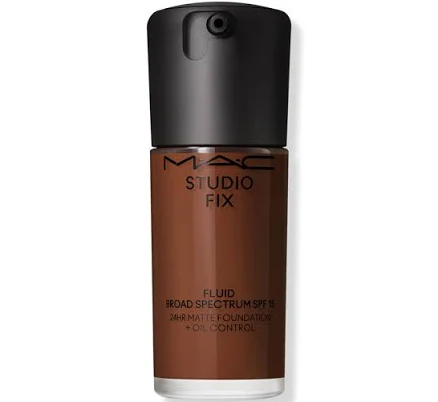
MAC Studio Fix Fluid SPF 15 24HR Matte Foundation Oil Control
No public PFAS risk signals, but cosmetics formulae remain opaque.
Conventional liquid foundation with no known waterproofing, water-resistance, or non-stick claims typical of PFAS use. MAC has not publicly disclosed PFAS ingredients or testing.
The better-graded swap
Fenty Beauty Pro Filt'r
Soft Matte Powder Foundation
85/100 safety
Same rubric that flunked this product. The swap earned Excellent.
Still want this one anyway? Check the price on Amazon. We’d swap it.
Material
liquid foundation with silicones, pigments, preservatives (standard formula)
Lab data
No public lab test
You may also be interested in
Top-graded picks in the categories readers replace first, every one scored on the same rubric.

- polypropylene filter housing, carbon/sediment cartridge
- We found no PFAS statement from the brand
- Bacterial growth in spent cartridges
3 hazards checked on this product, all on its full breakdown.

Aquasure
Premier Series 75 GPD Under Sink Reverse Osmosis Water Filtration System
- RO membrane, carbon filters, stainless steel housing
- We found no PFAS statement from the brand
- Bacterial and microbial growth in housing and filters
4 hazards checked on this product, all on its full breakdown.

Avocado
Vegan Mattress
- organic cotton, natural latex, coconut coir, recycled steel coils
- The brand calls it PFAS-free, which we have not verified
- Heavy metals
2 hazards checked on this product, all on its full breakdown.
What MAC Studio Fix Fluid SPF 15 Oil Control is made of, ingredients and materials
MAC Studio Fix Fluid is a silicone-based liquid foundation containing cyclopentasiloxane and dimethicone as primary carriers, along with iron oxides and titanium dioxide for pigmentation. Silicones are inert on skin and do not bioaccumulate, but the formula relies on preservatives (likely parabens or phenoxyethanol based on MAC's standard practice) to prevent microbial growth. The SPF 15 claim requires UV filters, typically titanium dioxide or zinc oxide in this product type, which are mineral blockers with long safety histories.
What’s concerning
Category baseline
The starting point for this type of product, before anything specific to this product is counted.
No PFAS disclosure
No public statement from the brand about PFAS in this product.
Parabens
MAC does not publicly specify which preservative system is used in current Studio Fix formulation. Parabens and phenoxyethanol are common in this product class and carry established but low incidence of contact dermatitis; risk is individual.
Source, FDA ↗Fragrance allergen sensitization
MAC Studio Fix contains fragrance compounds not individually itemized on label due to ingredient masking rules. Common fragrance allergens (cinnamyl alcohol, geraniol, limonene) may trigger reactions in sensitive users; testing on a small area before full facial application is prudent.
Preservative depletion and microbial growth if contaminated during use
Liquid foundations stored in pump dispensers (as MAC Studio Fix typically is) have lower contamination risk than brush-dipped products, but nonsterile applicator contact or water introduction can overwhelm preservative systems. Once opened, the formula has a finite window of sterility.
What’s reassuring
Base material not linked to PFAS
The main material recorded for this product is not one associated with PFAS.
Heavy metals
Cosmetic-grade iron oxides and titanium dioxide used in face makeup are regulated under FDA and international cosmetic standards; no recalls or safety alerts specific to MAC Studio Fix Fluid are on record. Pigment suppliers typically batch-test for lead and cadmium, but independent verification is not public.
Source, FDA ↗Dimethicone and cyclopentasiloxane accumulation on skin
Silicones in this formula are volatile cyclic compounds and non-volatile polymers; bioaccumulation in human tissue is not supported by toxicology literature. However, incomplete removal can cause buildup on skin surface, leading to comedogenicity in acne-prone individuals.
How is this PFAS grade calculated?
The brand's record and disclosure
MAC (Estee Lauder subsidiary) does not publicly disclose full ingredient sourcing or PFAS testing results, though the brand has faced no major recalls or controversies specific to Studio Fix Fluid. The parent company has signed the Cradle to Cradle commitment but does not independently test or market cosmetics as PFAS-free. Ingredient lists are available on packaging and online, but deeper safety documentation remains proprietary.
How it compares in its category
MAC Studio Fix Fluid is a mid-tier silicone foundation typical of professional makeup lines; it sits between budget foundations (often containing more questionable preservative blends) and luxury oil-control formulas (which may use alternative silicone blends). Compared to water-based alternatives, silicone foundations carry marginally lower risk of bacterial contamination due to hydrophobic chemistry, though they require vigorous cleansing to remove. No independent testing has identified this product as outlier for heavy metals or allergens relative to category peers.
If you buy it
Store in cool, dry conditions away from direct sunlight to preserve preservative efficacy; silicone-based formulas show thermal stability at skin temperatures. Discard if separation, off-odor, or visible mold appears, typically after 12-24 months of regular use. Ensure thorough makeup removal each evening with cleanser formulated for silicones; incomplete removal can lead to pore congestion. Discontinue and patch-test if rash or irritation develops, as fragrance allergens in the formula may trigger sensitivity in some users.
What is not known about PFAS in this product?
- Basis
- Model estimate, 45% confidence, not a lab result
- Lab test
- None on record for this exact product
- Brand statement
- MAC has made a specific claim
Formulations change between production runs, so check the current label. How we grade.
What are the PFAS-free alternatives to MAC Studio Fix Fluid SPF 15 24HR Matte Foundation Oil Control?
- mineral powder blend
- We found no PFAS statement from the brand
- Talc contamination (if talc-based variant)
3 hazards checked on this product, all on its full breakdown.
- mineral pigments, waxes, oils
- We found no PFAS statement from the brand
- Fragrance allergens and undisclosed fragrance components
2 hazards checked on this product, all on its full breakdown.
More foundation grades
How we score, every product runs through the same public 0-100 rubric based on materials, coatings, brand disclosure, lab findings, and recalls. See the full methodology → Spotted a mistake? Report an error.