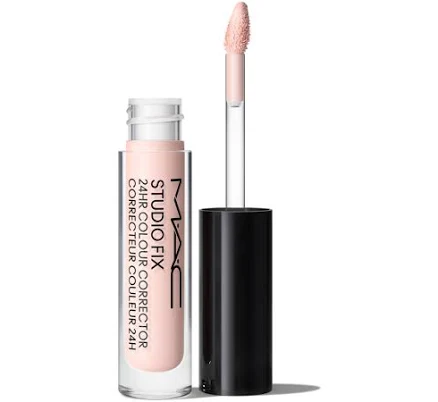
MAC Studio Fix 24-Hour Colour Corrector
Lower PFAS concern; colour correctors rarely contain intentional PFAS, but brand offers no verification.
MAC Studio Fix Colour Corrector is a liquid-cream pigment blend with no documented PFAS ingredients based on public data. MAC provides no PFAS policy or test results for this product.
We flunk more products than we pass. This one earned its grade. How we grade
Material
pigments, silicone, glycerin in liquid/cream base
Lab data
No public lab test
You may also be interested in
Top-graded picks in the categories readers replace first, every one scored on the same rubric.

- polypropylene filter housing, carbon/sediment cartridge
- We found no PFAS statement from the brand
- Bacterial growth in spent cartridges
3 hazards checked on this product, all on its full breakdown.

Aquasure
Premier Series 75 GPD Under Sink Reverse Osmosis Water Filtration System
- RO membrane, carbon filters, stainless steel housing
- We found no PFAS statement from the brand
- Bacterial and microbial growth in housing and filters
4 hazards checked on this product, all on its full breakdown.

Avocado
Vegan Mattress
- organic cotton, natural latex, coconut coir, recycled steel coils
- The brand calls it PFAS-free, which we have not verified
- Heavy metals
2 hazards checked on this product, all on its full breakdown.
What MAC Studio Fix 24-Hour Colour Corrector is made of, ingredients and materials
MAC Studio Fix 24-Hour Colour Corrector is a silicone-based liquid or cream formulation with pigments, glycerin, and emollients. Silicone bases are generally stable and non-volatile at skin temperature, meaning they do not off-gas harmful fumes like some cookware coatings or textiles do. The pigments used in color correctors are typically iron oxides, titanium dioxide, or synthetic organic colorants; these are regulated under cosmetic color additives rules but MAC does not publicly disclose specific pigment sourcing or heavy metal testing limits.
What’s concerning
Category baseline
The starting point for this type of product, before anything specific to this product is counted.
No PFAS disclosure
No public statement from the brand about PFAS in this product.
Fragrance allergens and undisclosed fragrance compounds
MAC color correctors are often lightly fragranced or fragrance-free; if fragrance is present, MAC lists it as 'fragrance' rather than specific compounds, hiding potential allergens like limonene or geraniol. Individuals with fragrance sensitivity or cosmetic contact dermatitis should patch test or request the full fragrance disclosure from MAC directly.
Microbial contamination from open-jar or finger-dip application
Liquid or cream color correctors are water-containing formulations vulnerable to bacterial and fungal growth if the container seal is broken or the product is applied with contaminated fingers or tools. This is a storage and hygiene issue, not a manufacturing defect, but typical of all cream cosmetics.
Contact irritation or sensitization from silicone or emollients
While silicone and glycerin are generally recognized as safe, some individuals experience irritation or contact dermatitis from prolonged or repeated skin contact with silicone-based products, particularly on sensitive or compromised skin. This is an individual sensitivity issue, not a product-wide hazard, and pre-patch testing mitigates risk.
What’s reassuring
Base material not linked to PFAS
The main material recorded for this product is not one associated with PFAS.
Heavy metals
MAC color correctors use approved cosmetic colorants (iron oxides, titanium dioxide, FD&C synthetics), which are regulated by FDA for heavy metal limits. No cadmium, lead, or arsenic contamination has been reported for this specific product, though MAC does not publish third-party pigment testing results.
Source, FDA ↗Formaldehyde / VOCs
Silicone-glycerin bases are chemically stable and do not require formaldehyde as a preservative; MAC typically uses non-formaldehyde systems (quaternium, phenoxyethanol). No formaldehyde release or accumulation is established for this product class.
Source, ATSDR ↗How is this PFAS grade calculated?
The brand's record and disclosure
MAC (Estée Lauder subsidiary) maintains industry-standard cosmetic safety practices and complies with FDA and EU cosmetic regulations. The brand does not publish third-party safety certifications, ingredient sourcing transparency reports, or independent testing data for heavy metals or formaldehyde releasers on this product. No recalls or safety violations specific to this color corrector have been established in public records. MAC's parent company has faced criticism for limited PFAS transparency across the portfolio, consistent with broader industry silence on the issue.
How it compares in its category
Color correctors in this price and prestige tier (MAC, Bobbi Brown, Urban Decay) share similar silicone-glycerin bases and comply with equivalent regulatory standards. Unlike budget or unregulated brands, MAC undergoes internal safety testing required by Estée Lauder group standards. This product sits in the mainstream-safe middle of the cosmetics spectrum, with no known safety advantages over other major brand color correctors but also no documented problems that would warrant avoidance.
If you buy it
Store away from direct heat (above 77°F storage is not ideal for any silicone cosmetic, as it may alter texture but not safety). Patch test on inner arm or behind ear 24 hours before full face use, especially if you have sensitive skin or fragrance allergies. Replace every 12 months to avoid bacterial colonization if the cap is frequently left open or the product is applied with fingers. Do not use if the product separates, smells rancid, or shows visible mold, which would indicate contamination and potential microbial hazard.
What is not known about PFAS in this product?
- Basis
- Model estimate, 72% confidence, not a lab result
- Lab test
- None on record for this exact product
- Brand statement
- MAC has made a specific claim
Formulations change between production runs, so check the current label. How we grade.
What are the PFAS-free alternatives to MAC Studio Fix 24-Hour Colour Corrector?
- liquid cosmetic serum, presumed water and glycerin base
- We found no PFAS statement from the brand
- Fragrance allergens and sensitizers
2 hazards checked on this product, all on its full breakdown.
- Liquid concealer with pigments and binders
- We found no PFAS statement from the brand
- Formaldehyde / VOCs
4 hazards checked on this product, all on its full breakdown.
More concealer grades
How we score, every product runs through the same public 0-100 rubric based on materials, coatings, brand disclosure, lab findings, and recalls. See the full methodology → Spotted a mistake? Report an error.