Mizuno · Golf Balls & Equipment
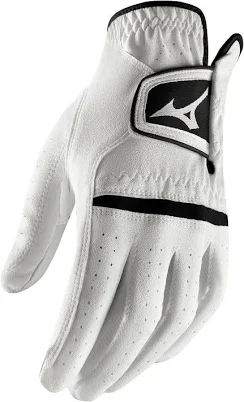
Mizuno Men's Comp Golf Glove
Leather palm glove indicates low PFAS concern, treatments unknown.
This golf glove uses natural and synthetic materials without disclosed water or stain treatments, suggesting lower PFAS risk.
The better-graded swap
Dunlop
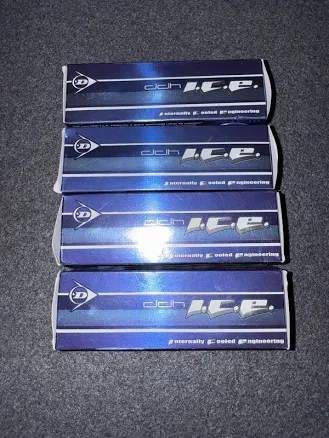
Dunlop Ddh I.c.e. Golf Balls
85/100 safety
Same rubric that flunked this product. The swap earned Excellent.
Still want this one anyway? Check the price on Amazon. We’d swap it.
Material
leather palm, synthetic back
Brand disclosure
Brand is silent on PFAS
Lab data
No public lab test
You may also be interested in
Top-graded picks in the categories readers replace first, every one scored on the same rubric.

Aqua Pure
3M Aqua-Pure AP802B Whole House Filter Housing
- polypropylene filter housing, carbon/sediment cartridge
- We found no PFAS statement from the brand
- Bacterial growth in spent cartridges
3 hazards checked on this product. See all of them.

Aquasure
Premier Series 75 GPD Under Sink Reverse Osmosis Water Filtration System
- RO membrane, carbon filters, stainless steel housing
- We found no PFAS statement from the brand
- Bacterial and microbial growth in housing and filters
4 hazards checked on this product. See all of them.

Avocado
Vegan Mattress
- organic cotton, natural latex, coconut coir, recycled steel coils
- The brand calls it PFAS-free, which we have not verified
- Heavy metals
2 hazards checked on this product. See all of them.
What Mizuno Men's Comp Golf Glove is made of, ingredients and materials
The Mizuno Comp glove combines a leather palm (typically cow or sheep leather) with a synthetic knit back, usually polyester or nylon. Leather palms are processed with tannins and oils; the synthetic back may receive finishing treatments for water resistance, stretch, or durability. This hybrid construction avoids the heavy coating systems found in full synthetic gloves, reducing exposure to volatile organic compounds or problematic synthetic finishes.
What’s concerning
Category baseline
The starting point for this type of product, before anything specific to this product is counted.
No PFAS disclosure
No public statement from the brand about PFAS in this product.
Formaldehyde / VOCs
Synthetic back may contain formaldehyde resins for wrinkle resistance or shape retention; leather tanning can also involve trace formaldehyde. No independent testing of this product line is publicly available, but this is a standard industrial practice in textiles.
Source, ATSDR ↗Heavy metals
Leather and synthetic dyes may include azo compounds or heavy metal pigments (chromium, copper). Mizuno does not publish restricted substance lists or third-party test reports for this glove, so residual dye transfer cannot be ruled out.
Source, FDA ↗Leather tanning chemicals (chromium, vegetable tannins)
Standard leather processing uses either chromium salts or vegetable tannins; neither poses acute risk in a golf glove worn briefly on one hand, but chromium exposure has been documented in leather workers. Consumer-level exposure is low, and no specific Mizuno glove testing is on record.
Synthetic back degradation and microfiber shedding
Polyester or nylon backing may shed microfibers during washing or wear, particularly if the glove is machine-washed. The risk is minimal for a single golf glove worn occasionally, but care method matters.
What’s reassuring
Base material not linked to PFAS
The main material recorded for this product is not one associated with PFAS.
Flame retardants
Golf gloves are not typically treated with flame retardant chemicals because they are not classified as sleepwear or high-fire-risk apparel. No evidence of flame retardant use in this product category is established.
Source, EPA ↗The full breakdown
The brand's record and disclosure
Mizuno has not published detailed chemical disclosure statements or third-party safety certifications (such as OEKO-TEX) for its glove lines. The company maintains a general sustainability framework but does not communicate specific testing for formaldehyde resins, heavy metals in dyes, or textile chemical controls. No recalls or substantiated safety incidents related to Mizuno golf gloves are on public record.
How it compares in its category
Golf gloves are lighter-duty apparel than, for example, athletic wear or work gloves; they involve minimal body surface contact and short wearing periods. Leather palm gloves generally carry lower chemical burden than full synthetic gloves treated with water-repellent coatings. Certified alternatives (e.g., OEKO-TEX Standard 100 gloves) exist but are not common in golf; the Mizuno sits in the middle of the transparency spectrum for this niche.
If you buy it
Wear the glove without prolonged skin contact on the synthetic back if you have contact dermatitis or dye sensitivity; the leather palm is the lower-risk surface. Air dry after use rather than direct heat; leather can shrink and synthetic backing may degrade if exposed to high temperatures. Replace when the leather shows visible wear or cracking, as the protective barrier diminishes. Wash hands after extended wear if concerned about dye or finish residue transfer.
What we don’t know
- Basis
- Model estimate, 72% confidence, not a lab result
- Lab test
- None on record for this exact product
- Brand statement
- Mizuno has made none
Formulations change between production runs, so check the current label. How we grade.
More golf balls & equipment grades
How we score, every product runs through the same public 0-100 rubric based on materials, coatings, brand disclosure, lab findings, and recalls. See the full methodology → Spotted a mistake? Report an error.