Mizuno · Golf Balls & Equipment
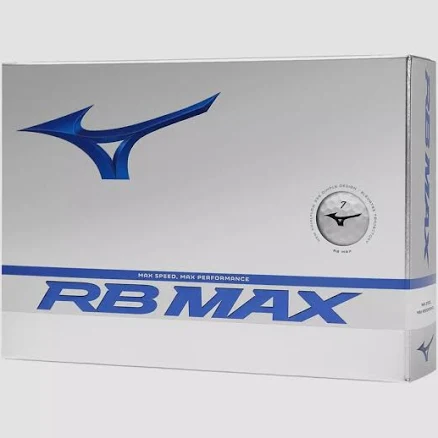
Mizuno RB Max Golf Balls
Lower concern; golf balls have no typical PFAS applications.
Mizuno RB Max golf balls use standard synthetic elastomer and cover materials without known PFAS drivers. No brand PFAS disclosure exists; typical golf ball construction poses lower concern than apparel or cookware.
We flunk more products than we pass. This one earned its grade. How we grade
Material
Synthetic rubber/elastomer core, surlyn or urethane cover
Brand disclosure
Brand is silent on PFAS
Lab data
No public lab test
You may also be interested in
Top-graded picks in the categories readers replace first, every one scored on the same rubric.

Aqua Pure
3M Aqua-Pure AP802B Whole House Filter Housing
- polypropylene filter housing, carbon/sediment cartridge
- We found no PFAS statement from the brand
- Bacterial growth in spent cartridges
3 hazards checked on this product. See all of them.

Aquasure
Premier Series 75 GPD Under Sink Reverse Osmosis Water Filtration System
- RO membrane, carbon filters, stainless steel housing
- We found no PFAS statement from the brand
- Bacterial and microbial growth in housing and filters
4 hazards checked on this product. See all of them.

Avocado
Vegan Mattress
- organic cotton, natural latex, coconut coir, recycled steel coils
- The brand calls it PFAS-free, which we have not verified
- Heavy metals
2 hazards checked on this product. See all of them.
What Mizuno RB Max Golf Balls is made of, ingredients and materials
Mizuno RB Max balls feature a synthetic rubber or elastomer core wrapped in either Surlyn (ionomer) or urethane cover material. Both elastomer cores and these cover polymers are chemically stable during normal golf play and do not leach into skin or body on contact. The multi-layer construction (core, mantle, cover) is designed for durability and performance, not consumable use, so ingestion or prolonged skin exposure is not a realistic pathway.
What’s concerning
Category baseline
The starting point for this type of product, before anything specific to this product is counted.
No PFAS disclosure
No public statement from the brand about PFAS in this product.
Volatile organic compounds (VOCs) off-gassing
New golf balls may release minor VOCs from manufacturing residue or adhesives used to layer the core and cover. This is minimal and brief compared to foam or textile products. Airing new balls in a well-ventilated space before use is a routine precaution.
Microplastics
Golf ball covers do degrade and shed microplastics over time, particularly Surlyn and urethane, especially when used on abrasive rough or sand. This is a documented environmental concern when balls are lost in water or soil, but poses no direct personal health risk during handling or play.
Source, EPA ↗What’s reassuring
Base material not linked to PFAS
The main material recorded for this product is not one associated with PFAS.
Elastomer/polymer leaching (core, mantle)
No published evidence that Surlyn or urethane covers or synthetic elastomer cores leach chemicals during normal golf play or skin contact. These materials are considered chemically stable in standard use conditions.
Heavy metals
No recalls or testing reports documenting lead, cadmium, or other heavy metals in Mizuno RB Max golf balls. Golf ball paint and cover pigments are not subject to the same regulatory scrutiny as food contact or cosmetics, but no specific hazard has been identified in this product.
Source, FDA ↗Antimony in polyester or synthetic fibers
Antimony is a concern in polyester textiles but is not typically used as a catalyst in golf ball elastomer or Surlyn manufacturing. No evidence of antimony contamination in this product category.
The full breakdown
The brand's record and disclosure
Mizuno is a Japanese sporting goods manufacturer with no published safety controversies or recalls specific to golf ball chemistry. The company does not publicly disclose material sourcing or third-party testing for golf balls, nor do they maintain prominent environmental certifications for this product line. Industry-wide, golf ball makers rarely publish detailed chemical composition or toxicology data, which reflects industry practice rather than a red flag for this brand.
How it compares in its category
Golf balls across major brands (Titleist, Callaway, TaylorMade, Bridgestone) use functionally identical elastomer cores and Surlyn or urethane covers; Mizuno sits in the mainstream middle. No major competitor has published safety testing or claimed material superiority on toxicological grounds. The product category itself has no established safety scandals or widespread recalls tied to material composition.
If you buy it
Golf balls require no maintenance or special care related to chemical safety. Store in a cool, dry place to slow UV degradation of the cover, though this is aesthetic and performance-related, not a safety issue. Do not heat, microwave, or incinerate golf balls. Replace when cover becomes visibly cut, cracked, or waterlogged, as performance fails before any chemical leaching would occur.
What we don’t know
- Basis
- Model estimate, 72% confidence, not a lab result
- Lab test
- None on record for this exact product
- Brand statement
- Mizuno has made none
Formulations change between production runs, so check the current label. How we grade.
More golf balls & equipment grades
How we score, every product runs through the same public 0-100 rubric based on materials, coatings, brand disclosure, lab findings, and recalls. See the full methodology → Spotted a mistake? Report an error.