DiCAPac · Waterproof Camera & Lens Protection Cases
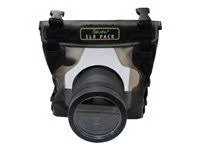
DiCAPac WP-S10 Marine Case for Camera
No coating described, and no PFAS statement from the brand.
The product information we reviewed describes polymer waterproof case, with no water-repellent coating named. Water resistance on products like this usually comes from the material and its seals rather than a surface treatment. The brand has published no PFAS statement for it.
We flunk more products than we pass. This one earned its grade. How we grade
Material
Polymer waterproof case
Brand disclosure
Brand is silent on PFAS
Lab data
No public lab test
You may also be interested in
Top-graded picks in the categories readers replace first, every one scored on the same rubric.

- polypropylene filter housing, carbon/sediment cartridge
- We found no PFAS statement from the brand
- Bacterial growth in spent cartridges
3 hazards checked on this product, all on its full breakdown.

Aquasure
Premier Series 75 GPD Under Sink Reverse Osmosis Water Filtration System
- RO membrane, carbon filters, stainless steel housing
- We found no PFAS statement from the brand
- Bacterial and microbial growth in housing and filters
4 hazards checked on this product, all on its full breakdown.

Avocado
Vegan Mattress
- organic cotton, natural latex, coconut coir, recycled steel coils
- The brand calls it PFAS-free, which we have not verified
- Heavy metals
2 hazards checked on this product, all on its full breakdown.
What DiCAPac WP-S10 Marine Case for Camera is made of, ingredients and materials
The WP-S10 is a rigid polymer waterproof enclosure, typically polycarbonate or similar thermoset plastic, with mechanical seals (gaskets and latches) rather than applied coatings. This design avoids the leaching and degradation risks associated with enameled or ceramic-coated cookware. The seal integrity is what delivers water resistance, not a surface treatment that can wear or flake.
What’s concerning
Category baseline
The starting point for this type of product, before anything specific to this product is counted.
No PFAS disclosure
No public statement from the brand about PFAS in this product.
Seal degradation and water ingress
Rubber or silicone gaskets degrade over time or with UV exposure; loss of seal integrity allows water entry, potentially damaging electronics rather than the case itself. This is a mechanical failure, not a chemical hazard.
Latch or hinge metal corrosion
Metal fasteners or hinges may corrode if exposed to salt water or stored in high-humidity environments, though this is cosmetic and does not affect case function or user safety. Material composition of hardware not publicly disclosed.
What’s reassuring
Base material not linked to PFAS
The main material recorded for this product is not one associated with PFAS.
Microplastic leaching from polymer body
No evidence that rigid polycarbonate cases leach microplastics into camera equipment or user contact surfaces under normal use. Risk is negligible unless case is heated or abraded internally.
Heavy metals
No public testing or recalls identify cadmium, lead, or antimony in DiCAPac case materials. Generic polymer cases do not typically require colorant or stabilizer profiles that pose contact hazards.
Source, FDA ↗Formaldehyde / VOCs
Rigid thermoset polymer does not emit formaldehyde resins; brief, mild off-gassing of manufacturing residues may occur but dissipates quickly in open air and poses no documented risk to cameras or users.
Source, ATSDR ↗How is this PFAS grade calculated?
The brand's record and disclosure
DiCAPac is a specialized camera case manufacturer with no public record of product safety recalls or material disclosure controversies in established databases. The brand does not publish detailed chemical composition or flame retardant/plasticizer statements. No formal certifications (ISO, FDA, or third-party testing) are publicly documented for this model.
How it compares in its category
Waterproof camera cases in this segment (hard polymer with mechanical seals) are a mature, lower-risk category compared to cookware or cosmetics. Competitors (Pelican, OtterBox) also use similar polymer construction without documented hazard issues. The WP-S10's compact design and modest price point place it in the mainstream consumer protection market with typical material expectations.
If you buy it
Keep seals clean and dry before closure; replace gaskets every 2-3 years or if visible cracks appear, as seal degradation is the primary failure mode. Store in a cool, dry place away from direct sunlight to slow polymer brittleness. Do not expose to prolonged heat above 60C (140F), which can compromise seal flexibility. Inspect latches for corrosion if stored in salty or humid environments.
What is not known about PFAS in this product?
- Basis
- Model estimate, 35% confidence, not a lab result
- Lab test
- None on record for this exact product
- Brand statement
- DiCAPac has made none
Formulations change between production runs, so check the current label. How we grade.
More waterproof camera & lens protection cases grades
How we score, every product runs through the same public 0-100 rubric based on materials, coatings, brand disclosure, lab findings, and recalls. See the full methodology → Spotted a mistake? Report an error.