Odyssey · Golf Balls & Equipment
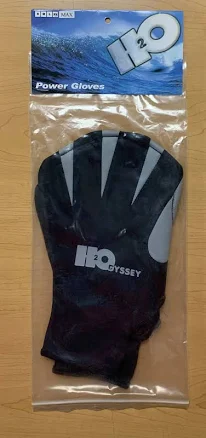
ODYSSEY Max Fullfinger Gloves
Unknown coating composition prevents PFAS assessment.
Synthetic material glove may have surface treatment applied, but Odyssey discloses neither coating type nor PFAS status.
The better-graded swap
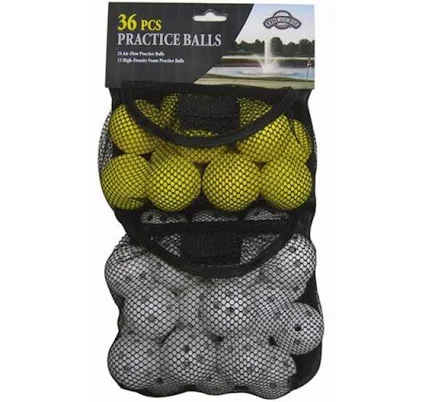
On Course 36 Piece Practice Golf Balls
85/100 safety
Same rubric that flunked this product. The swap earned Excellent.
Still want this one anyway? Check the price on Amazon. We’d swap it.
Material
synthetic leather or polyurethane/neoprene blend
Brand disclosure
Brand is silent on PFAS
Lab data
No public lab test
You may also be interested in
Top-graded picks in the categories readers replace first, every one scored on the same rubric.

Aqua Pure
3M Aqua-Pure AP802B Whole House Filter Housing
- polypropylene filter housing, carbon/sediment cartridge
- We found no PFAS statement from the brand
- Bacterial growth in spent cartridges
3 hazards checked on this product. See all of them.

Aquasure
Premier Series 75 GPD Under Sink Reverse Osmosis Water Filtration System
- RO membrane, carbon filters, stainless steel housing
- We found no PFAS statement from the brand
- Bacterial and microbial growth in housing and filters
4 hazards checked on this product. See all of them.

Avocado
Vegan Mattress
- organic cotton, natural latex, coconut coir, recycled steel coils
- The brand calls it PFAS-free, which we have not verified
- Heavy metals
2 hazards checked on this product. See all of them.
What ODYSSEY Max Fullfinger Gloves is made of, ingredients and materials
ODYSSEY Max Fullfinger Gloves are constructed from synthetic leather or a polyurethane/neoprene blend, materials engineered to mimic leather durability while remaining washable and flexible. Polyurethane and neoprene are petroleum-derived polymers that do not naturally degrade and can leach plasticizers or residual monomers, especially under heat or sweat exposure. Unlike natural leather, synthetic blends may contain processing aids and dyes that warrant attention during break-in and washing.
What’s concerning
No PFAS disclosure
No public statement from the brand about PFAS in this product.
Category baseline
The starting point for this type of product, before anything specific to this product is counted.
Plasticizer leaching from polyurethane
Polyurethane-based synthetic leather can release plasticizers (phthalates or adipates) under heat, moisture, or prolonged skin contact, especially in the first weeks of use. Risk is low under normal cool conditions but increases with sweat exposure and washing in warm water.
Microparticle shedding from coating degradation
As polyurethane or synthetic leather coating degrades over time, particularly at seams and high-flex zones, microparticles may shed into sweat or environment. This is a longer-term concern after 2+ seasons of heavy use rather than an acute risk from new product.
Allergen sensitization from synthetic materials or dyes
Synthetic leather and neoprene can trigger contact dermatitis in individuals with chemical sensitivities, especially during break-in when residual manufacturing agents or dyes may transfer to skin. Proper washing and air-drying before first extended wear reduces this risk.
What’s reassuring
Base material not linked to PFAS
The main material recorded for this product is not one associated with PFAS.
Azo dyes in synthetic textiles
No specific azo-dye violations or recalls documented for ODYSSEY gloves. However, synthetic leather and neoprene blends typically rely on synthetic dyes; without material certifications (OEKO-TEX, GOTS), direct confirmation of azo restriction compliance is unavailable.
Formaldehyde / VOCs
Synthetic leather and neoprene are less commonly treated with formaldehyde-releasing resins than woven textiles; however, adhesives and bonding agents in laminated construction may contain trace formaldehyde. No formaldehyde violations are documented for this product.
Source, ATSDR ↗The full breakdown
The brand's record and disclosure
Odyssey is a cycling and action-sports brand with no widely documented public commitments to chemical transparency, restricted substance disclosures, or third-party testing certifications (such as OEKO-TEX or bluesign). The brand has not published supplier audits or material safety datasheets for consumer access. No major product recalls or contamination incidents for this glove line are on public record, but the lack of proactive disclosure limits independent verification of chemical safety.
How it compares in its category
Synthetic sports gloves occupy a middle ground between budget polyester/nylon alternatives and premium leather or organic cotton options. ODYSSEY Max gloves are mainstream performance wear; competitors in this segment (Fox, Bell, Troy Lee Designs) similarly withhold detailed chemical composition data. Gloves made from certified organic cotton or natural leather with transparent tannage typically offer clearer hazard profiles, though at higher cost and lower durability in wet conditions.
If you buy it
Wash gloves in cool to warm water (not hot) and allow air dry to minimize potential plasticizer migration and heat-induced degradation of polyurethane. Inspect seams and coatings annually for cracking or peeling; discard if inner foam degrades or coating flakes. Do not store in direct sunlight or near heat sources for extended periods. Replace every 1-2 seasons or when grip or padding noticeably declines.
What we don’t know
- Basis
- Model estimate, 45% confidence, not a lab result
- Lab test
- None on record for this exact product
- Brand statement
- Odyssey has made none
Formulations change between production runs, so check the current label. How we grade.
More golf balls & equipment grades
How we score, every product runs through the same public 0-100 rubric based on materials, coatings, brand disclosure, lab findings, and recalls. See the full methodology → Spotted a mistake? Report an error.