Harvest Chicken & Ancient Grains Dry Dog Food
Dry dog food has low PFAS risk; bag sourcing uncertain.
Kibble itself is unlikely to contain PFAS. Packaging source and any coating treatments are not disclosed, making full risk assessment difficult without testing.
We flunk more products than we pass. This one earned its grade. How we grade
Material
kibble and grain ingredients in paper/cardboard bag
Brand disclosure
Brand is silent on PFAS
Lab data
No public lab test
You may also be interested in
Top-graded picks in the categories readers replace first, every one scored on the same rubric.

- polypropylene filter housing, carbon/sediment cartridge
- We found no PFAS statement from the brand
- Bacterial growth in spent cartridges
3 hazards checked on this product, all on its full breakdown.

Aquasure
Premier Series 75 GPD Under Sink Reverse Osmosis Water Filtration System
- RO membrane, carbon filters, stainless steel housing
- We found no PFAS statement from the brand
- Bacterial and microbial growth in housing and filters
4 hazards checked on this product, all on its full breakdown.

Avocado
Vegan Mattress
- organic cotton, natural latex, coconut coir, recycled steel coils
- The brand calls it PFAS-free, which we have not verified
- Heavy metals
2 hazards checked on this product, all on its full breakdown.
What Harvest Chicken & Ancient Dry Dog Food is made of, ingredients and materials
This product is kibble (extruded pellets of meat, grain, and binders) packaged in paper/cardboard. The kibble itself is a processed food matrix with no intentional chemical coatings that would leach into the product. Cardboard bags may contain printing inks and adhesives, but these do not migrate into dry kibble under normal storage. The main material-chemistry risk is microbial contamination or mold if the bag is damaged or stored in high humidity, not chemical leaching.
What’s concerning
Category baseline
The starting point for this type of product, before anything specific to this product is counted.
No PFAS disclosure
No public statement from the brand about PFAS in this product.
Microbial contamination (mold, salmonella, E. coli)
Dry kibble is shelf-stable, but cardboard bags can allow moisture ingress if stored improperly or if packaging is compromised. Mold and pathogens are documented risks in poorly stored dry pet foods, though recalls are not specific to Open Farm for this line.
Rancidity and oxidation
Dry kibble with meat and fat oxidizes over time, especially after opening. This reduces nutritional value and can cause digestive upset in some dogs, but is not a chemical hazard per se; it is a freshness and quality issue.
Lead
Pet food ingredients (chicken meal, grains) can accumulate environmental heavy metals depending on soil and water sources. Open Farm does not publicly disclose heavy metal testing of finished product or raw ingredients, so residual risk cannot be ruled out.
Source, ATSDR ↗Declared vs. actual ingredient composition
No third-party certification or testing is visible on the product. Ingredient label accuracy relies on manufacturer compliance; undisclosed fillers or mislabeling cannot be independently verified without laboratory analysis.
What’s reassuring
Ink and adhesive residues from cardboard packaging
Food-grade cardboard bags typically use inks and adhesives that meet FDA migration limits. No reports of chemical transfer from this brand's packaging to kibble have been documented, and dry kibble does not promote leaching of volatile compounds.
How is this PFAS grade calculated?
The brand's record and disclosure
Open Farm markets itself as a premium, ingredient-focused brand but maintains silent stance on PFAS in packaging and sourcing transparency. No major product recalls specific to chemical contamination are on public record for this line. The brand does not publish third-party certifications (AAFCO, organic, non-GMO) on the product itself, which limits verification of ingredient safety claims. No formal disclosure of supplier auditing or contaminant testing is readily available.
How it compares in its category
Dry dog food in cardboard bags is a standard, low-risk delivery format compared to canned food (potential BPA in can linings) or plastic pouches (possible plasticizer migration). Open Farm's ingredient roster (chicken, ancient grains) reflects market positioning as premium, but ingredient quality alone does not eliminate microbial or storage-dependent risks common to all dry pet foods. Most competitors at this price point use similar cardboard packaging without published PFAS mitigation data.
If you buy it
Store the bag in a cool, dry place and seal it after opening to prevent moisture ingress and mold growth. Discard the product if the bag shows signs of water damage, odor changes, or visible contamination. Rotate stock and use within 6-8 weeks of opening; old kibble loses nutritional value and may develop rancidity. Watch your dog for digestive upset when first introducing this or any new food, as individual sensitivities to grains or protein sources vary.
What is not known about PFAS in this product?
- Basis
- Model estimate, 45% confidence, not a lab result
- Lab test
- None on record for this exact product
- Brand statement
- Open Farm has made none
Formulations change between production runs, so check the current label. How we grade.
What are the PFAS-free alternatives to Harvest Chicken & Ancient Grains Dry Dog Food?
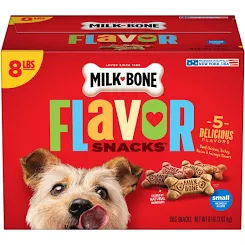
- Wheat flour, meat by-products, soy lecithin, standard binders and preservatives
- We found no PFAS statement from the brand
- Rancidity and oxidative degradation of fats
2 hazards checked on this product, all on its full breakdown.
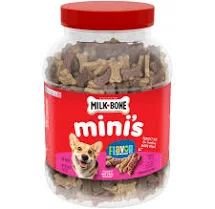
- Grain, meat, fat, vegetable oil based ingredients
- We found no PFAS statement from the brand
- Mold and mycotoxin growth
3 hazards checked on this product, all on its full breakdown.
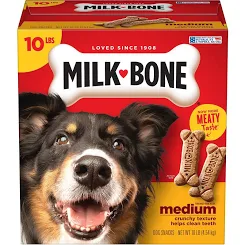
- grain flour, meat meal, binders, standard dog biscuit
- We found no PFAS statement from the brand
- Rancidity and fat oxidation
2 hazards checked on this product, all on its full breakdown.
More pet food bags grades
How we score, every product runs through the same public 0-100 rubric based on materials, coatings, brand disclosure, lab findings, and recalls. See the full methodology → Spotted a mistake? Report an error.