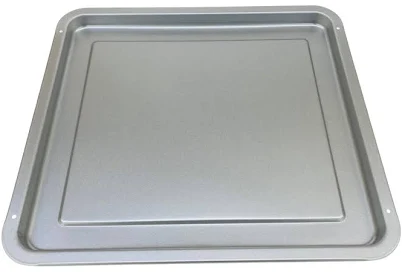
Oster Sunbeam / Oster Toaster Oven Baking Pan
Avoid unless you confirm the coating is Teflon-type coating-free; Oster does not disclose.
Oster toaster oven baking pans typically have dark nonstick coating with unknown chemistry. Brand provides no disclosure on PFAS content or composition.
Still want this one anyway? Check the price on Amazon. We’d swap it.
Material
Steel with unspecified nonstick coating
Brand disclosure
Brand is silent on PFAS
Lab data
No public lab test
You may also be interested in
Top-graded picks in the categories readers replace first, every one scored on the same rubric.

- polypropylene filter housing, carbon/sediment cartridge
- We found no PFAS statement from the brand
- Bacterial growth in spent cartridges
3 hazards checked on this product, all on its full breakdown.

Aquasure
Premier Series 75 GPD Under Sink Reverse Osmosis Water Filtration System
- RO membrane, carbon filters, stainless steel housing
- We found no PFAS statement from the brand
- Bacterial and microbial growth in housing and filters
4 hazards checked on this product, all on its full breakdown.

Avocado
Vegan Mattress
- organic cotton, natural latex, coconut coir, recycled steel coils
- The brand calls it PFAS-free, which we have not verified
- Heavy metals
2 hazards checked on this product, all on its full breakdown.
What Oster Sunbeam / Oster Oven Baking Pan is made of, ingredients and materials
This is a steel baking pan with an unspecified nonstick coating applied to the surface. Oster has not publicly disclosed whether the coating is Teflon-type coating (Teflon-based), ceramic, silicone, or another chemistry. Steel itself is not a material linked to PFAS; the hazard lies entirely in the nonstick layer. Coating degradation from scratching or overheating is the primary concern, as flaking particles could enter food.
What’s concerning
Category baseline
The starting point for this type of product, before anything specific to this product is counted.
No PFAS disclosure
No public statement from the brand about PFAS in this product.
Non-stick, chemistry undisclosed
Marketed as non-stick without stating the coating chemistry.
Nonstick coating degradation and particle release
Unspecified coating chemistry means unknown degradation temperature and flaking risk. Scratched or aged coating may release particles; while acute toxicity is low, chronic ingestion is not well studied for non-Teflon-type coating proprietary coatings.
Thermal decomposition of coating at high temperature
If coating is Teflon-type coating-based, heating above 500°F can release fumes. Most toaster ovens operate below temperatures associated with PFAS release, but broiling or preheating empty pans increases risk. Oster's silence on coating type prevents firm assessment.
Coating adhesion loss over time
Budget nonstick pans often show adhesion failure after 200-300 thermal cycles. Peeling or bubbling coating is a visible sign to discard the pan, though this is a durability rather than acute safety issue.
What’s reassuring
Heavy metals
Steel itself does not leach; however, some budget nonstick coatings use nickel or other metals in the substrate or adhesive layer. No specific testing or recalls for Oster toaster oven pans have been reported.
Source, FDA ↗Aluminum substrate corrosion (if aluminum-based beneath steel cladding)
Product described as steel; if aluminum is present underneath, acidic or prolonged-contact foods could accelerate corrosion. No evidence this pan uses aluminum base, but material layering is not disclosed.
How is this PFAS grade calculated?
The brand's record and disclosure
Oster (owned by Sunbeam Products) does not maintain a public PFAS disclosure policy or provide material safety data sheets for cookware coatings. No third-party independent testing results or recalls specific to this pan's coating have been established in public records. The lack of transparency is typical of the budget-toaster-oven market, where coating chemistry is rarely disclosed to consumers.
How it compares in its category
Toaster oven pans from mass-market brands (Oster, Black+Decker, Cuisinart) almost universally use proprietary nonstick coatings without public disclosure. Ceramic-coated or uncoated stainless steel alternatives from specialty cookware brands offer more certainty but cost more. Most toaster oven pans are considered disposable or replaced every 2-4 years due to wear, making long-term leaching risk lower than for stovetop cookware.
If you buy it
Do not exceed 400-450°F; toaster oven nonstick coatings are not rated for broiler use or sustained high heat. Avoid metal utensils and abrasive scouring; hand wash only. Inspect the surface regularly for scratches, flaking, or discoloration; replace the pan if coating integrity is visibly compromised. Do not preheat empty or leave unattended at high temperatures, as degradation accelerates when coating overheats.
What is not known about PFAS in this product?
- Basis
- Model estimate, 35% confidence, not a lab result
- Lab test
- None on record for this exact product
- Brand statement
- Oster has made none
Formulations change between production runs, so check the current label. How we grade.
What are the PFAS-free alternatives to Oster Sunbeam / Oster Toaster Oven Baking Pan?
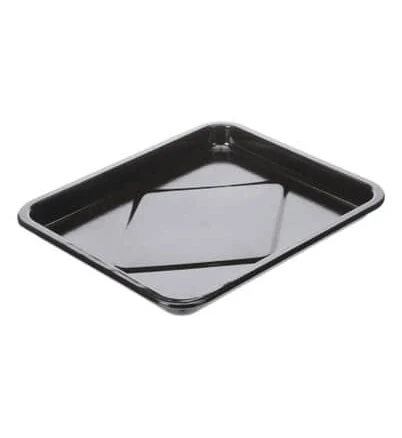
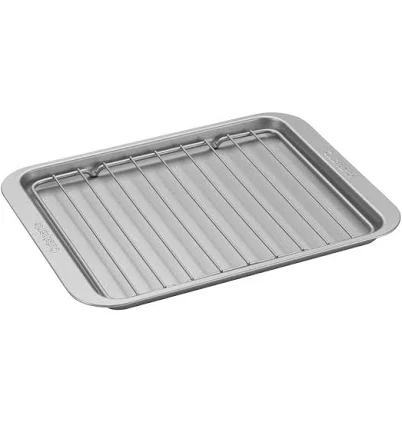
- Steel pan and rack; no nonstick coating
- Rust and corrosion over time
2 hazards checked on this product, all on its full breakdown.
Find an alternative on AmazonMore toaster ovens grades
How we score, every product runs through the same public 0-100 rubric based on materials, coatings, brand disclosure, lab findings, and recalls. See the full methodology → Spotted a mistake? Report an error.