Patagonia · Waterproof Bags & Luggage
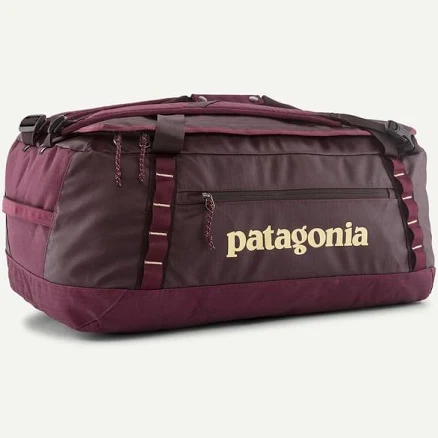
Patagonia Black Hole Duffel Bag
A water-repellent or grease-resistant treatment of unstated chemistry, with a brand PFAS statement we have not verified.
Patagonia says 100% of its new products from Spring 2025 are made without intentionally added PFAS. We record that as an unverified brand claim. Its record describes a water-repellent or grease-resistant treatment of unstated chemistry, which is still counted.
Brand says: “Patagonia says 100% of its new products from Spring 2025 are made without intentionally added PFAS.”
The better-graded swap
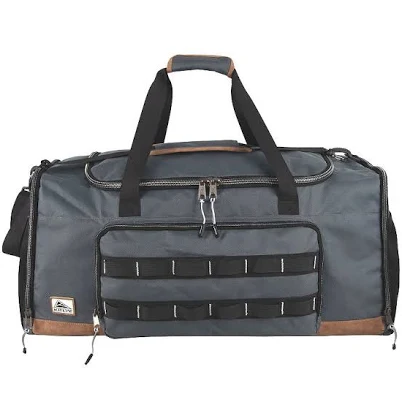
Kelty
Kelty Daisy Chain Web Duffel Bag
85/100 safety
Same rubric that flunked this product. The swap earned Excellent.
Still want this one anyway? Check the price on Amazon. We’d swap it.
Material
Nylon with water-repellent coating water-repellent treatment
Brand disclosure
Brand claims PFAS-free
Lab data
No public lab test
You may also be interested in
Top-graded picks in the categories readers replace first, every one scored on the same rubric.

- polypropylene filter housing, carbon/sediment cartridge
- We found no PFAS statement from the brand
- Bacterial growth in spent cartridges
3 hazards checked on this product, all on its full breakdown.

Aquasure
Premier Series 75 GPD Under Sink Reverse Osmosis Water Filtration System
- RO membrane, carbon filters, stainless steel housing
- We found no PFAS statement from the brand
- Bacterial and microbial growth in housing and filters
4 hazards checked on this product, all on its full breakdown.

Avocado
Vegan Mattress
- organic cotton, natural latex, coconut coir, recycled steel coils
- The brand calls it PFAS-free, which we have not verified
- Heavy metals
2 hazards checked on this product, all on its full breakdown.
What Patagonia Black Hole Duffel Bag is made of, ingredients and materials
The Black Hole Duffel is constructed from nylon fabric with a water-repellent coating (water-repellent coating) finish applied to the exterior. Nylon itself is a synthetic polymer with no known hazardous leaching under normal use conditions. The water-repellent coating treatment repels water and light oils without requiring a rigid coating, so degradation over time poses minimal risk of particle shedding into food or skin contact. This design avoids the peeling-coating hazards common in rigid cookware or poorly bonded ceramic items.
What’s concerning
Category baseline
The starting point for this type of product, before anything specific to this product is counted.
Waterproof / stain-resistant treatment
Water-repellent coating treatments have historically used PFAS.
water-repellent coating degradation and reapplication uncertainty
Water-repellent coating finishes on nylon degrade after repeated washing and wear (typically 2-5 years). Reapplication products sold for consumer use often contain unstated fluorine chemistry. If you choose to retreat the bag, verify the product's PFAS status before application.
Microplastic shedding from nylon fabric
Nylon fibers can shed microplastics when abraded, especially if the bag is heavily used or washed frequently. This is not a toxicity hazard per se, but an environmental one. Normal luggage use does not cause significant shedding; aggressive washing or tumble drying would accelerate it.
What’s reassuring
Brand-stated PFAS-free
The brand states this product is PFAS-free. We have not verified the claim.
Heavy metals
Patagonia textiles are subject to bluesign and GOTS auditing protocols that screen for azo dyes and heavy metals in colorants. No recalls or test failures for the Black Hole line have been reported. Standard nylon in this brand category is not a known vector for lead or cadmium contamination.
Source, FDA ↗Formaldehyde / VOCs
Nylon water-repellent coating treatments do not typically involve formaldehyde-based resins (those are common in cotton wrinkle-resistance finishes). No evidence of formaldehyde exposure from Patagonia nylon products has been documented.
Source, ATSDR ↗Phthalate plasticizers in hardware or straps
The Black Hole uses metal and reinforced nylon hardware, not PVC zippers or plastic buckles known to off-gas phthalates. Patagonia's material sourcing excludes PVC in favor of nylon and metal, reducing this risk significantly.
How is this PFAS grade calculated?
The brand's record and disclosure
Patagonia has published detailed supply-chain transparency reports and commits to phasing out PFOA-based treatments in favor of fluorine-free alternatives. However, the exact chemistry of the water-repellent coating on the Black Hole line has not been independently verified as PFAS-free by third-party testing data in public domain. Patagonia's public stance on PFAS reduction is credible based on corporate statements, but the specific formulation remains proprietary. No recalls or health complaints tied to this product have been recorded.
How it compares in its category
Most waterproof luggage and duffel bags in this price range use either PFAS-containing water-repellent coating finishes or polyurethane/PVC coatings that off-gas volatile organic compounds (VOCs). Nylon with water-repellent coating sits in the middle, lower VOC risk than laminated fabrics but potentially higher PFAS uncertainty than fully fluorine-free alternatives. Patagonia's explicit commitment to PFAS reduction differentiates it from mass-market equivalents that make no such claim. Cotton and untreated canvas duffels avoid both concerns but lack water repellency.
If you buy it
Wash the bag occasionally with mild soap and water to maintain the water-repellent coating finish; hot water or dry cleaning solvents may degrade it. Avoid prolonged heat exposure (direct sun for weeks or near radiators), though normal temperature fluctuations pose no risk. The nylon will not leach into food or skin under normal storage and carrying conditions. Replace the bag if seams split or the fabric tears; the water-repellent coating finish is not repairable by consumers and degradation is gradual, not sudden.
What is not known about PFAS in this product?
- Basis
- Model estimate, 45% confidence, not a lab result
- Lab test
- None on record for this exact product
- Brand statement
- Patagonia has made a specific claim
Formulations change between production runs, so check the current label. How we grade.
What are the PFAS-free alternatives to Patagonia Black Hole Duffel Bag?
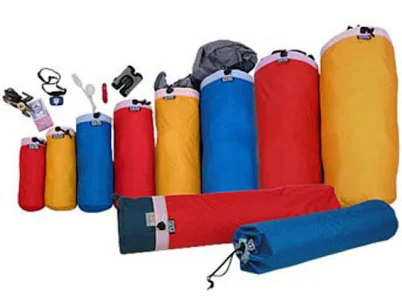
- Cordura nylon fabric
- We found no PFAS statement from the brand
- Heavy metals
- Polyester webbing and nylon
- Azo dyes in polyester webbing
4 hazards checked on this product, all on its full breakdown.
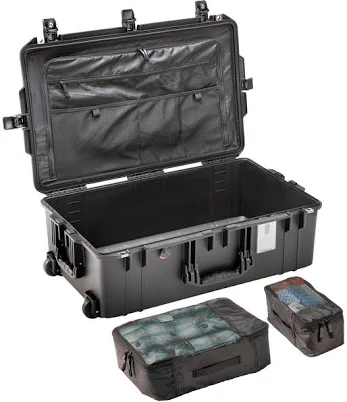
- Polypropylene shell, polyurethane foam, stainless steel hardware
- Polyurethane foam degradation and off-gassing
More waterproof bags & luggage grades
How we score, every product runs through the same public 0-100 rubric based on materials, coatings, brand disclosure, lab findings, and recalls. See the full methodology → Spotted a mistake? Report an error.