Penn · Fishing Gear & Equipment
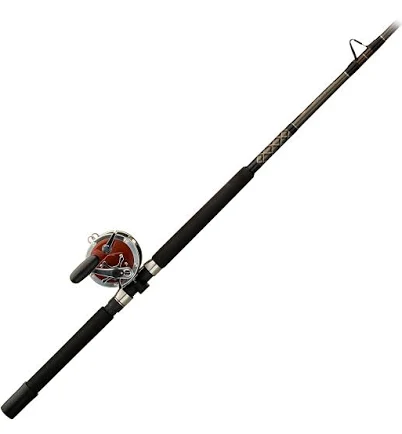
Penn Senator Combo
Fishing rod combo with no typical PFAS concern, but no disclosure.
Penn Senator is a conventional fishing rod with fiberglass and metal components and no known PFAS-prone materials, though the brand provides no specific material transparency.
We flunk more products than we pass. This one earned its grade. How we grade
Material
Fiberglass rod, conventional reel components
Brand disclosure
Brand is silent on PFAS
Lab data
No public lab test
You may also be interested in
Top-graded picks in the categories readers replace first, every one scored on the same rubric.

- polypropylene filter housing, carbon/sediment cartridge
- We found no PFAS statement from the brand
- Bacterial growth in spent cartridges
3 hazards checked on this product, all on its full breakdown.

Aquasure
Premier Series 75 GPD Under Sink Reverse Osmosis Water Filtration System
- RO membrane, carbon filters, stainless steel housing
- We found no PFAS statement from the brand
- Bacterial and microbial growth in housing and filters
4 hazards checked on this product, all on its full breakdown.

Avocado
Vegan Mattress
- organic cotton, natural latex, coconut coir, recycled steel coils
- The brand calls it PFAS-free, which we have not verified
- Heavy metals
2 hazards checked on this product, all on its full breakdown.
What Penn Senator Combo is made of, ingredients and materials
The Penn Senator Combo uses a fiberglass rod blank, which is a thermoset composite of glass fibers bound in epoxy or polyester resin. Fiberglass rods are chemically stable in normal freshwater and saltwater fishing conditions and do not leach into water or food. The reel components are typically aluminum, stainless steel, and plastic (likely nylon or acetal copolymer), all inert under typical angling stress and environmental exposure.
What’s concerning
Category baseline
The starting point for this type of product, before anything specific to this product is counted.
No PFAS disclosure
No public statement from the brand about PFAS in this product.
Plastic reel handle or seat degradation
Plastic components may become brittle or discolor after years of UV and salt exposure, but this is a durability issue, not a chemical safety hazard; no harmful leachates are documented.
What’s reassuring
Bare uncoated material
Recorded as a bare, uncoated material with no surface coating or treatment.
Fiberglass shedding or splinter risk
Fiberglass rods do not shed respirable fibers under normal fishing use. Splinters are a mechanical hazard only if the rod blank is damaged, not a chemical one.
Resin off-gassing (epoxy or polyester)
The rod blank is a cured composite; no volatile organic compounds or formaldehyde release is documented or expected from properly manufactured fiberglass at ambient temperatures during fishing.
Metal leaching from reel components
Aluminum and stainless steel reel parts do not leach into water or tackle under normal freshwater or saltwater exposure; no corrosion byproduct health hazard is established for conventional tackle design.
How is this PFAS grade calculated?
The brand's record and disclosure
Penn is a long-established fishing equipment manufacturer owned by Shimano; no known recalls or safety controversies specific to the Senator Combo exist in public record. The brand does not publish detailed material composition or chemical certification statements for rods and reels, which is typical for the fishing tackle industry. No documented PFAS-related disclosure or controversy has been recorded for Penn fishing products.
How it compares in its category
Fiberglass rods are lower concern from a chemical standpoint; they are more inert than graphite (which can shed fine particles during heavy use) and are not a material linked to Teflon-family coating risks. The Senator Combo is a conventional mid-range combo suitable for saltwater and freshwater use, with no unusual material choices compared to competitors in its price tier. Most conventional fishing reels share similar component materials and carry no documented leaching or off-gassing hazards in normal use.
If you buy it
Rinse the reel and guides with fresh water after saltwater use to prevent corrosion and maintain smooth function; this is standard maintenance and poses no safety concern. Inspect the rod blank periodically for cracks or splintering, which could become sharp but are mechanical issues, not chemical hazards. Store the combo in a cool, dry location away from direct sunlight to slow resin aging, though fiberglass is very durable over decades of typical angling. No special protective gear, temperature limits, or replacement cycles are needed for chemical safety reasons.
What is not known about PFAS in this product?
- Basis
- Model estimate, 70% confidence, not a lab result
- Lab test
- None on record for this exact product
- Brand statement
- Penn has made none
Formulations change between production runs, so check the current label. How we grade.
More fishing gear & equipment grades
How we score, every product runs through the same public 0-100 rubric based on materials, coatings, brand disclosure, lab findings, and recalls. See the full methodology → Spotted a mistake? Report an error.