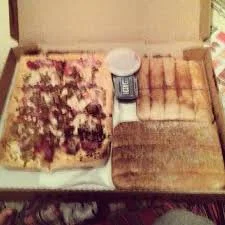
$10 Dinner Box #pizzahut #420 #10
Skip or assume PFAS in grease-barrier coating.
Pizza Hut's cardboard boxes use grease-resistant treatments that commonly include PFAS. The company offers no coating formulation or PFAS transparency.
The better-graded swap
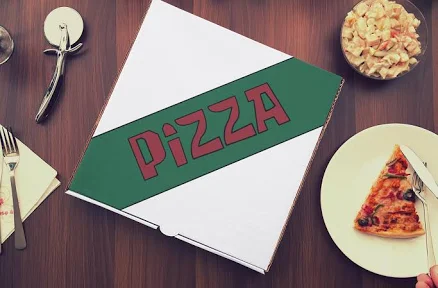
Who Gives A Crap
Krusty Krab Full Size Pizza Box Costume Prop
70/100 safety
Same rubric that flunked this product. The swap earned Good.
Still want this one anyway? Check the price on Amazon. We’d swap it.
Material
Corrugated cardboard box with grease-resistant coating (likely wax or fluorochemical)
Brand disclosure
Brand is silent on PFAS
Lab data
No public lab test
You may also be interested in
Top-graded picks in the categories readers replace first, every one scored on the same rubric.

- polypropylene filter housing, carbon/sediment cartridge
- We found no PFAS statement from the brand
- Bacterial growth in spent cartridges
3 hazards checked on this product, all on its full breakdown.

Aquasure
Premier Series 75 GPD Under Sink Reverse Osmosis Water Filtration System
- RO membrane, carbon filters, stainless steel housing
- We found no PFAS statement from the brand
- Bacterial and microbial growth in housing and filters
4 hazards checked on this product, all on its full breakdown.

Avocado
Vegan Mattress
- organic cotton, natural latex, coconut coir, recycled steel coils
- The brand calls it PFAS-free, which we have not verified
- Heavy metals
2 hazards checked on this product, all on its full breakdown.
What $10 Dinner Box #pizzahut #420 #10 is made of, ingredients and materials
Pizza Hut's standard dinner box is corrugated cardboard with a grease-resistant coating applied to the interior. This coating is typically wax or a fluorochemical (Teflon-type coating-class or PFOA-derived polymer); manufacturers use it to prevent grease from soaking through and compromising structural integrity. The cardboard itself is generally food-grade recycled or virgin pulp. The coating is the chemical concern, it contacts hot, fatty food directly and may shed into food, especially as the box ages or if punctured.
What’s concerning
Category baseline
The starting point for this type of product, before anything specific to this product is counted.
No PFAS disclosure
No public statement from the brand about PFAS in this product.
Waterproof / stain-resistant treatment
Water-repellent coating treatments have historically used PFAS.
PFAS
Grease-resistant interior coating is almost certainly a fluorochemical; these are persistent and bioaccumulative. Direct contact with hot pizza and fatty oils creates conditions for migration into food. No public disclosure confirms whether this is legacy PFOA or newer alternatives.
Source, ATSDR ↗Wax or mineral-oil-based alternative coating (if non-fluorochemical)
If the coating is food-grade wax instead of fluorochemical, ingestion of small wax particles is low-toxicity but not ideal; heating accelerates any migration. Wax degradation is slower than fluorochemical breakdown.
Mold or bacterial growth if box stored damp
Corrugated cardboard can harbor mold or bacteria if stored in humid conditions before use or after grease saturation. This is a storage and hygiene issue, not a manufacturing defect; reuse or prolonged storage increases this risk.
What’s reassuring
Ink or printing residues (exterior graphics)
Exterior ink on pizza boxes is typically soy or mineral-based and food-contact approved by FDA. No major health hazard reported for this product category; ink is on the outside, not in contact with food.
Microplastics
Recycled cardboard can contain trace heavy metals or plastic microfibers, but levels in pizza boxes are not documented as a public health concern. FDA oversees food-contact recycled fiber; Pizza Hut boxes meet those standards.
Source, EPA ↗How is this PFAS grade calculated?
The brand's record and disclosure
Pizza Hut (Yum! Brands subsidiary) does not publicly disclose specific coatings used in packaging or commit to PFAS-free standards. The company has not announced a phase-out plan for fluorochemical food-contact coatings as of available records. No major product recalls specific to cardboard box chemistry have been identified, but the brand's silence on PFAS in packaging mirrors industry-wide opacity; no third-party certification (FSC, compostable, PFAS-tested) is typically visible on standard pizza boxes.
How it compares in its category
Most major pizza delivery boxes (Domino's, Papa John's, local pizzerias) use similar wax or fluorochemical coatings; Pizza Hut's box is not notably better or worse. Some regional or specialty pizzerias use uncoated or beeswax-coated cardboard, eliminating fluorochemical risk but at higher cost and reduced water resistance. Home-composable pizza box alternatives exist but are not standard in fast-food delivery. Standard boxes are designed for single use and disposal, not repeated contact or washing.
If you buy it
Pizza boxes are intended for one-time food delivery and disposal; prolonged storage of food inside after cooling increases potential leaching from coating to food. If reusing the box (e.g., for storage or crafts), do not store fatty foods, greasy items, or allow prolonged contact with high-moisture contents. Avoid microwaving pizza in the box or exposing it to high heat. Discard the box promptly after use; composting is standard, though PFAS in coatings will persist in compost systems.
What is not known about PFAS in this product?
- Basis
- Model estimate, 35% confidence, not a lab result
- Lab test
- None on record for this exact product
- Brand statement
- Pizza Hut has made none
Formulations change between production runs, so check the current label. How we grade.
What are the PFAS-free alternatives to $10 Dinner Box #pizzahut #420 #10?
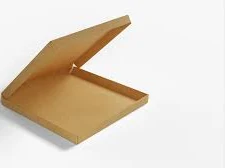
8" Kraft Paper Open Pizza Box
- Kraft paper (uncoated)
- Chlorine residues from kraft pulp bleaching
4 hazards checked on this product, all on its full breakdown.
- Cardboard/paper costume prop (non-functional)
- Ink residues and printing compounds
4 hazards checked on this product, all on its full breakdown.
More pizza boxes grades
How we score, every product runs through the same public 0-100 rubric based on materials, coatings, brand disclosure, lab findings, and recalls. See the full methodology → Spotted a mistake? Report an error.