Pottery Barn · Stain-Resistant Textiles
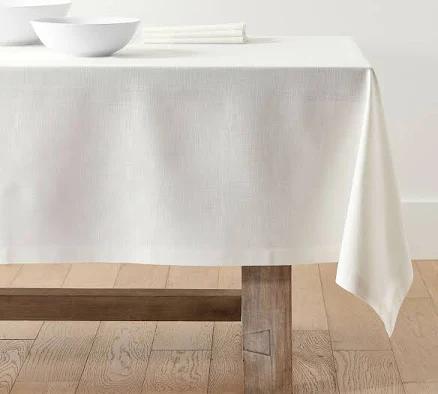
Pottery Barn Caterer's Box Rectangular Tablecloth
Moderate PFAS concern; typical water-repellent coating coatings lack transparency.
Polyester tablecloth with stain and water-resistant treatment, features that often use PFAS-based water-repellent coating finishes. Pottery Barn provides no PFAS content disclosure.
Still want this one anyway? Check the price on Amazon. We’d swap it.
Material
Polyester with water-repellent coating (water-repellent coating) finish
Lab data
No public lab test
You may also be interested in
Top-graded picks in the categories readers replace first, every one scored on the same rubric.

- polypropylene filter housing, carbon/sediment cartridge
- We found no PFAS statement from the brand
- Bacterial growth in spent cartridges
3 hazards checked on this product, all on its full breakdown.

Aquasure
Premier Series 75 GPD Under Sink Reverse Osmosis Water Filtration System
- RO membrane, carbon filters, stainless steel housing
- We found no PFAS statement from the brand
- Bacterial and microbial growth in housing and filters
4 hazards checked on this product, all on its full breakdown.

Avocado
Vegan Mattress
- organic cotton, natural latex, coconut coir, recycled steel coils
- The brand calls it PFAS-free, which we have not verified
- Heavy metals
2 hazards checked on this product, all on its full breakdown.
What Pottery Barn Caterer's Box Tablecloth is made of, ingredients and materials
This tablecloth is polyester, a synthetic polymer, treated with a water-repellent coating (water-repellent coating) finish to shed liquids and stains. The water-repellent coating is the primary chemical concern, most commercial water-repellent coating finishes historically used PFOA or other long-chain PFAS compounds, though some manufacturers have migrated to shorter-chain alternatives or fluorine-free options. Polyester itself can release formaldehyde and volatile organic compounds (VOCs), particularly when new, and may contain synthetic azo dyes or other colorants that warrant attention during initial use.
What’s concerning
Category baseline
The starting point for this type of product, before anything specific to this product is counted.
No PFAS disclosure
No public statement from the brand about PFAS in this product.
Waterproof / stain-resistant treatment
Water-repellent coating treatments have historically used PFAS.
PFAS
Water-repellent coatings on polyester textiles commonly contain fluorinated compounds; Pottery Barn provides no specification. Typical water-repellent coating may include PFOA, PFOS, or shorter-chain alternatives, all persistent in the environment and human body. Risk is lower than cookware but not negligible, especially if tablecloth is frequently laundered or food is in prolonged contact.
Source, ATSDR ↗Formaldehyde / VOCs
New polyester textiles often emit formaldehyde used in synthetic fiber processing and dyeing resins. Off-gassing is typically greatest in the first few days to weeks after purchase and diminishes with washing and ventilation. Individuals with chemical sensitivity or in poorly ventilated spaces may experience mild respiratory or skin irritation.
Source, ATSDR ↗Synthetic azo dyes
Polyester dyes may include azo compounds that, while legally permitted in most markets, carry potential allergen and irritant concerns if fabric is worn directly on skin or food contact is prolonged. Risk is lower for tablecloths than apparel; still relevant for households with sensitive members or allergic reactions to synthetic dyes.
Coating degradation and microfiber shedding
As the water-repellent coating finish wears, polyester fibers may shed more readily during washing. Microfibers entering wastewater pose environmental and potential ingestion risks if they enter food or drinking water. No brand-specific data; standard risk for all polyester textiles.
What’s reassuring
Heavy metals
No established reports of lead, cadmium, or other heavy metals in Pottery Barn polyester tablecloths. Risk is lower than in ceramic or painted cookware but not completely excluded if non-standard colorants are used. No public testing available.
Source, FDA ↗How is this PFAS grade calculated?
The brand's record and disclosure
Pottery Barn has not published transparent disclosures about PFAS content in their textiles or the specific water-repellent coating chemistry used on treated fabrics. The brand does not advertise OEKO-TEX, GOTS, or similar third-party certifications for this product that would indicate independent screening for restricted chemicals. No major recalls or documented chemical controversies specific to Pottery Barn tablecloths are established in public records, but the absence of transparency means buyers cannot verify what water-repellent coating agent is actually used.
How it compares in its category
Most mass-market polyester tablecloths with water-repellent coating finishes carry similar PFAS and formaldehyde risks; this product is typical rather than exceptional. Premium alternatives include untreated linen or cotton (lower chemical burden but less stain resistance), or brands that certify PFAS-free water-repellent coating or use bio-based water-repellent treatments, though these command higher prices. Pottery Barn's positioning as a mid-to-premium home brand does not extend to chemical transparency in this product line.
If you buy it
Wash and air-dry the tablecloth thoroughly before first use to reduce off-gassing of formaldehyde and VOCs; avoid machine drying on high heat. The water-repellent coating finish will diminish over repeated washing and heat exposure; expect effective water repellency to decline after 30-50 washes. Do not use as a cutting surface or under high heat (direct flame, oven edge). Replace if coating visibly peels, frays, or develops permanent odor, as these signal coating degradation that may increase leaching.
What is not known about PFAS in this product?
- Basis
- Model estimate, 55% confidence, not a lab result
- Lab test
- None on record for this exact product
- Brand statement
- Pottery Barn has made a specific claim
Formulations change between production runs, so check the current label. How we grade.
What are the PFAS-free alternatives to Pottery Barn Caterer's Box Rectangular Tablecloth?
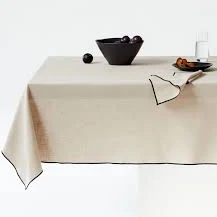
- 100% organic cotton, no coating
- We found no PFAS statement from the brand
- Azo dyes and synthetic colorants
3 hazards checked on this product, all on its full breakdown.
Find an alternative on Amazon
Amazon Essentials Light Blue Multicolor Cotton Tablecloth
- 100% cotton
- Formaldehyde / VOCs
4 hazards checked on this product, all on its full breakdown.
Find an alternative on Amazon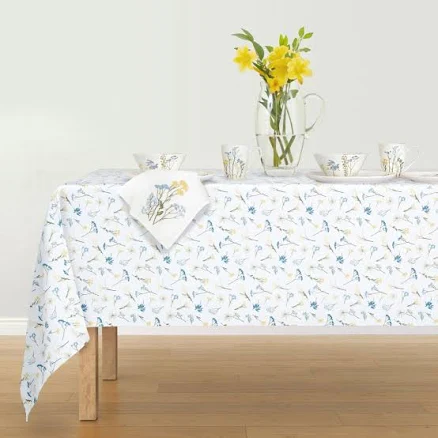
- 100% cotton woven tablecloth
- We found no PFAS statement from the brand
- Azo dyes in printed textiles
4 hazards checked on this product, all on its full breakdown.
Find an alternative on AmazonMore stain-resistant textiles grades
How we score, every product runs through the same public 0-100 rubric based on materials, coatings, brand disclosure, lab findings, and recalls. See the full methodology → Spotted a mistake? Report an error.