Rust-Oleum · Outdoor Furniture Cushion Protectants
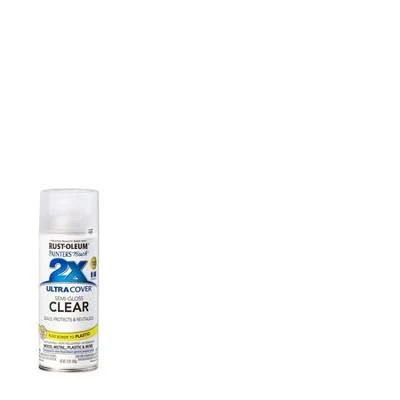
Rust-Oleum Painter's Touch 2X Ultra Cover Spray Paint
Unknown coating composition, PFAS risk unconfirmed. Avoid if concerned.
Rust-Oleum does not state whether PFAS is present in this acrylic spray paint. Standard acrylic coatings may contain fluorinated additives without public lab testing.
The better-graded swap
Covers & All
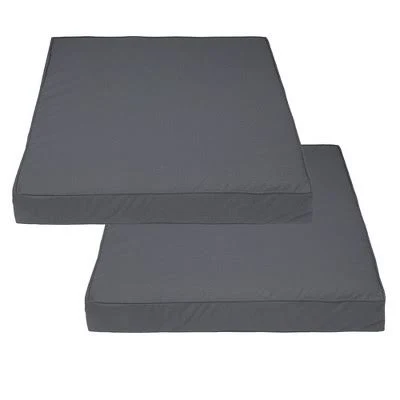
Covers & All Square Cushion Slipcover
75/100 safety
Same rubric that flunked this product. The swap earned Excellent.
Still want this one anyway? Check the price on Amazon. We’d swap it.
Material
Acrylic-based spray paint coating
Brand disclosure
Brand is silent on PFAS
Lab data
No public lab test
What Rust-Oleum Painter's Touch 2X Ultra Cover is made of, ingredients and materials
Rust-Oleum Painter's Touch 2X is an acrylic-based spray paint, meaning it uses water as the primary carrier with acrylic polymer resins that form a protective film when dry. The formula includes volatile organic compounds (VOCs) used as solvents during application to aid atomization and adhesion. Unlike oil-based enamels, acrylic formulas off-gas less severely after curing and pose lower flammability risk, but the spray application itself releases solvent vapors that require ventilation.
What’s concerning
Category baseline
The starting point for this type of product, before anything specific to this product is counted.
No PFAS disclosure
No public statement from the brand about PFAS in this product.
Unknown / proprietary coating
A coating is recorded with no disclosed chemistry.
Volatile Organic Compounds (VOCs) - solvent exposure during spray application
Acrylic spray paints release propellant gases and organic solvents (acetone, xylene, or similar) during spraying. Outdoor application with wind and ventilation significantly reduces but does not eliminate inhalation risk; indoor use without respirator protection poses acute respiratory irritation.
Coating adhesion and durability on fabric substrates
This product is formulated for hard surfaces (metal, plastic, wood); application to cushion fabric may result in uneven adhesion, cracking, or flaking as fabric flexes and weathers. Degraded coating loses water repellency and may shed acrylic particles onto skin or into water during cleaning.
Lead
Rust-Oleum's color pigment sources are not publicly disclosed. Older spray paint formulations sometimes contained lead chromate yellows or cadmium reds; modern acrylics typically use safer organic or synthetic pigments, but direct contact with dried paint (e.g., touching cushions repeatedly) presents minor ingestion or dermal absorption risk, especially for children.
Source, ATSDR ↗Temperature sensitivity and off-gassing from canned pressurization
Spray paint cans pressurized with propane or butane can rupture or leak if exposed to heat above 120F or if punctured. Improper storage near heat sources has caused release of compressed gases; once applied and cured, the paint film itself is stable unless heated above normal use temperature.
What’s reassuring
Formaldehyde / VOCs
Rust-Oleum does not disclose antimicrobial or formaldehyde-releasing preservatives in this product formulation. No public reports of formaldehyde off-gassing or skin sensitization from this specific paint exist, but standard acrylic paints may contain trace preservatives not listed on consumer labels.
Source, ATSDR ↗The full breakdown
The brand's record and disclosure
Rust-Oleum does not publicly disclose PFAS content in this product, and the company has not issued statements addressing PFAS in spray paint coatings generally. The brand markets this paint as water-based and 'eco-friendly' compared to oil alternatives, but does not provide third-party certifications (such as GreenGuard or Environmental Product Declarations) that would verify low-emission or low-hazard claims. No major recalls specific to this product line have been documented in FDA or CPSC records.
How it compares in its category
For outdoor cushion protection, this acrylic spray paint presents a mid-range concern profile, lower VOC cumulative exposure compared to traditional solvent-based enamels, but higher concern than fabric-specific water repellent sprays or UV-blocking coatings marketed for textiles. Most furniture protectant sprays (acrylic or silicone-based) do not disclose PFAS status, so this product is typical in that regard. Spray application itself carries more inhalation risk than brush-applied or pre-treated fabric coatings.
If you buy it
Apply only outdoors or in well-ventilated spaces (open windows, garage doors open, respirator recommended) to minimize solvent inhalation. Allow at least 24-48 hours drying time before cushion use, as curing extends beyond surface dryness. Reapply every 1-2 years depending on UV and weather exposure; inspect for peeling or coating degradation, which indicates loss of water repellency. Store in cool, dry conditions away from heat sources, as spray cans are pressurized and temperature-sensitive.
What we don’t know
- Basis
- Model estimate, 45% confidence, not a lab result
- Lab test
- None on record for this exact product
- Brand statement
- Rust-Oleum has made none
Formulations change between production runs, so check the current label. How we grade.
Better-graded alternatives in Outdoor Furniture Cushion Protectants
Pledge
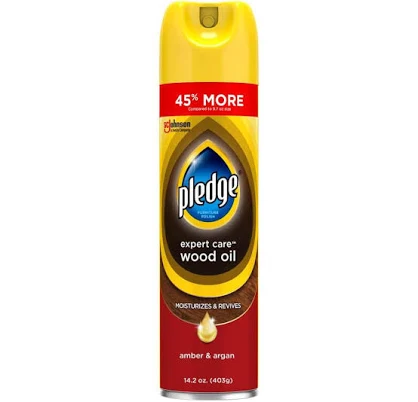
14.2 oz. Amber and Argan Scent Furniture Moisturizing Oil
- mineral oil, argan oil blend
- We found no PFAS statement from the brand
- Fragrance allergens and undisclosed components
4 hazards checked on this product. See all of them.
West Elm
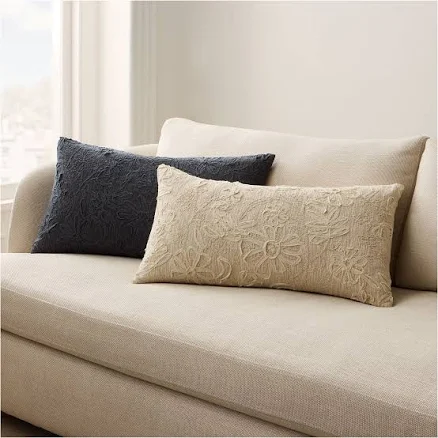
Cut Garden Flowers Pillow Cover
- 100% cotton canvas
- Azo dyes and dye contamination
3 hazards checked on this product. See all of them.
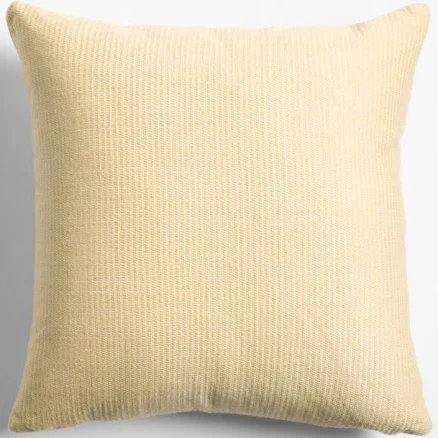
Crate and Barrel
Crate & Barrel Surya Yellow Throw Pillow
- Polyester, cotton, or cotton-blend fabric with standard dyes
- We found no PFAS statement from the brand
- Azo dyes and color migration
3 hazards checked on this product. See all of them.
More outdoor furniture cushion protectants grades
How we score, every product runs through the same public 0-100 rubric based on materials, coatings, brand disclosure, lab findings, and recalls. See the full methodology → Spotted a mistake? Report an error.