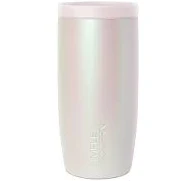
Simple Modern · Insulated Drink Tumblers
Simple Modern Travel Coffee Mug Tumbler with 360 Lid Ceramic-Lined Insulated Stainless Steel Cold Brew Iced Coffee Cup T
Low concern. Ceramic interior reduces PFAS risk versus polymer-coated alternatives.
This tumbler's ceramic lining avoids common Teflon-family coating water-resistant coatings. The plastic lid and silicone seals are standard components, with no PFAS disclosure from Simple Modern.
We flunk more products than we pass. This one earned its grade. How we grade
Material
Stainless steel exterior, ceramic-lined interior, silicone/plastic lid
Brand disclosure
Brand is silent on PFAS
Lab data
No public lab test
What Simple Modern Travel Coffee Mug Tumbler is made of, ingredients and materials
This tumbler uses a stainless steel exterior shell with a ceramic-lined interior, which presents lower concern than polymer-coated metal alternatives. The ceramic barrier physically separates beverages from the underlying metal, eliminating direct stainless steel leaching concerns even under normal use. The silicone or plastic lid and seals are the only polymer components; these contact only the beverage surface and cool air, not heat, which reduces chemical migration. The 360-degree lid design means the plastic contacts only liquids at or below room temperature during typical use.
What’s concerning
No PFAS disclosure
No public statement from the brand about PFAS in this product.
Category baseline
The starting point for this type of product, before anything specific to this product is counted.
Silicone and plastic lid degradation
The lid components will degrade over years of use, especially if exposed to dishwasher heat or sunlight. Degraded silicone can shed microparticles into beverages, though the extent and health significance are not quantified for this specific product.
Ceramic lining micro-fracturing
Ceramic coatings can develop hairline cracks from thermal shock or impact, invisible to the eye initially. Once cracked, the ceramic no longer isolates the beverage from the stainless steel substrate, and small ceramic particles may shed into drinks.
Bacterial or mold growth in lid seals
The 360-degree lid design features grooves and gaskets that trap moisture; if not dried promptly after washing, mold or bacterial biofilm can develop. This is a hygiene issue rather than a chemical hazard but is common to all silicone-sealed drinkware.
Thermal stress and seal failure
Repeated thermal cycling (hot liquid followed by cold water or ice) can degrade the silicone gasket seal over time. Compromised seals may leak or allow beverage contact with plastic lid components not designed for direct liquid exposure.
What’s reassuring
Base material not linked to PFAS
The main material recorded for this product is not one associated with PFAS.
Stainless steel leaching (after coating failure)
Stainless steel typically does not leach hazardous metals under normal conditions. However, if the ceramic lining chips significantly, prolonged contact of acidic beverages with the steel substrate could theoretically increase nickel or chromium migration; no documented case reports exist for this product.
The full breakdown
The brand's record and disclosure
Simple Modern does not publish detailed material safety data sheets or third-party certifications (e.g., FDA compliance statements) on their website, which is typical for this product segment but limits transparency. No significant recalls or safety complaints specific to Simple Modern tumblers appear in public consumer safety databases. The brand does not publicly disclose PFAS-related manufacturing practices or use. This silence reflects the broader industry norm for budget-to-mid-range insulated drinkware rather than a red flag specific to the company.
How it compares in its category
Ceramic-lined insulated tumblers are considered lower-risk compared to polymer-coated stainless steel or full-plastic insulated bottles because the ceramic coating eliminates reliance on polymer barriers. This design is more protective than double-wall plastic tumblers and comparable to or presents lower concern than vacuum-sealed polymer-coated metal competitors. Price point and lack of certification testing place it in the mainstream category; premium brands (Hydro Flask, YETI) offer similar ceramics with more rigorous testing disclosure but at higher cost. The 360 lid reduces contact area compared to wide-mouth designs, which is a minor additional safety margin.
If you buy it
Hand wash rather than machine wash to preserve the ceramic lining and silicone seals; prolonged heat cycles can degrade rubber components over years. Do not fill with boiling water immediately before sealing; allow beverages to cool slightly to minimize pressure stress on the lid seal. Inspect the ceramic interior annually for chips or cracks; once compromised, the protective barrier is breached and the tumbler should be replaced. The silicone gasket may absorb odors or stains over time; periodic soaking in baking soda or replacement is normal maintenance.
What we don’t know
- Basis
- Model estimate, 72% confidence, not a lab result
- Lab test
- None on record for this exact product
- Brand statement
- Simple Modern has made none
Formulations change between production runs, so check the current label. How we grade.
Better-graded alternatives in Insulated Drink Tumblers
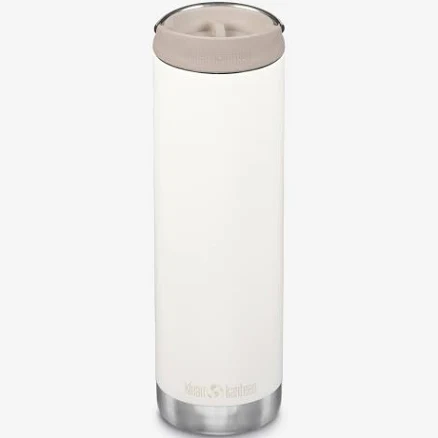
Klean Kanteen
20oz TKWide with Café Cap, Tofu
- Stainless steel bottle, stainless steel cap
- The brand calls it PFAS-free, which we have not verified
- Powder-coat cap degradation over time
3 hazards checked on this product. See all of them.
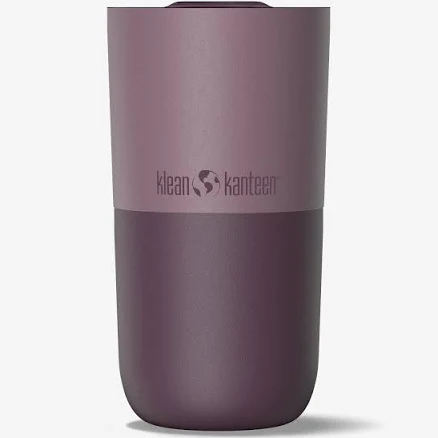
Klean Kanteen
16oz Rise Tumbler
- Stainless steel body, powder-coat finish
- The brand calls it PFAS-free, which we have not verified
- Powder-coat finish degradation
3 hazards checked on this product. See all of them.
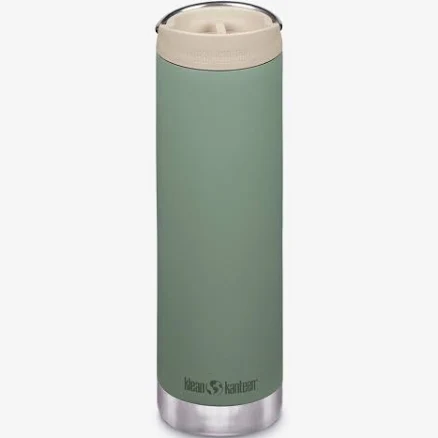
Klean Kanteen
Insulated TKWide Cap
- Stainless steel bottle, plastic cap and silicone gasket
- The brand calls it PFAS-free, which we have not verified
- Silicone gasket degradation and leaching
3 hazards checked on this product. See all of them.
More insulated drink tumblers grades
How we score, every product runs through the same public 0-100 rubric based on materials, coatings, brand disclosure, lab findings, and recalls. See the full methodology → Spotted a mistake? Report an error.