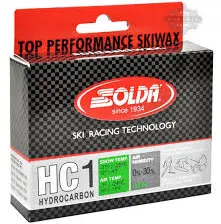
HC1 Ski Wax
Avoid or verify, ski wax often uses fluorocarbon water-repellent coating coatings; The brand's silence is concerning.
Ski waxes commonly employ fluorocarbon-based hydrophobic treatments for glide and water resistance. HC1 provides no disclosure about PFAS content or water-repellent coating chemistry.
The better-graded swap
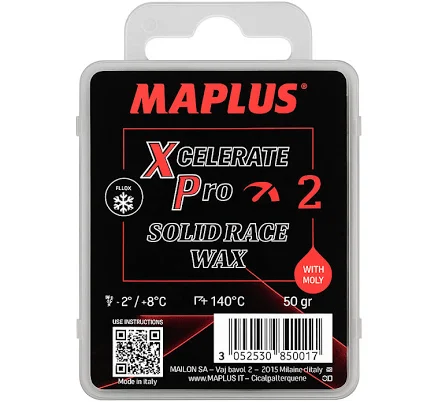
Maplus
Maplus Xcelerate Pro 2 Warm-Moly 50g
85/100 safety
Same rubric that flunked this product. The swap earned Excellent.
Still want this one anyway? Check the price on Amazon. We’d swap it.
Material
hydrocarbon wax blend with fluorocarbon water-repellent coating treatment
Brand disclosure
Brand is silent on PFAS
Lab data
No public lab test
You may also be interested in
Top-graded picks in the categories readers replace first, every one scored on the same rubric.

- polypropylene filter housing, carbon/sediment cartridge
- We found no PFAS statement from the brand
- Bacterial growth in spent cartridges
3 hazards checked on this product, all on its full breakdown.

Aquasure
Premier Series 75 GPD Under Sink Reverse Osmosis Water Filtration System
- RO membrane, carbon filters, stainless steel housing
- We found no PFAS statement from the brand
- Bacterial and microbial growth in housing and filters
4 hazards checked on this product, all on its full breakdown.

Avocado
Vegan Mattress
- organic cotton, natural latex, coconut coir, recycled steel coils
- The brand calls it PFAS-free, which we have not verified
- Heavy metals
2 hazards checked on this product, all on its full breakdown.
What HC1 Ski Wax is made of, ingredients and materials
HC1 is a hydrocarbon wax blend, which is the typical petroleum-derived base for ski wax and poses minimal acute toxicity risk under normal use. The critical issue is the fluorocarbon water-repellent coating (water-repellent coating) treatment applied to the wax surface. Fluorocarbon coatings are the primary source of PFAS (PFAS "forever chemicals") in ski wax products. During application and friction on snow, small wax particles and fluorocarbon residues may shed; long-term exposure risk depends on whether inhalation or skin contact with concentrated product occurs.
What’s concerning
Category baseline
The starting point for this type of product, before anything specific to this product is counted.
No PFAS disclosure
No public statement from the brand about PFAS in this product.
Waterproof / stain-resistant treatment
Water-repellent coating treatments have historically used PFAS.
PFAS
Hydrocarbon ski wax blends almost universally employ fluorocarbon water-repellent coating for water/snow repellency. The brand's silence on whether HC1 uses legacy Teflon-type coating, C6, or C8 fluorocarbons, or newer alternatives, means exposure risk cannot be ruled out and may be significant during application and use.
Source, ATSDR ↗Wax dust and inhalation during application
Ironing or scraping ski wax generates fine particulates; if fluorocarbon-laden, these may be inhaled. No specific exposure data exists for HC1, but the risk is inherent to any wax application in enclosed spaces.
Volatile organic compound (VOC) off-gassing from heated hydrocarbon base
Hydrocarbon waxes may emit low-level VOCs when heated during iron-on application. This is typical for the category and not a special concern for HC1 unless applied at excessive temperatures, but poor ventilation could accumulate minor irritant exposure.
Environmental persistence of fluorocarbon residues
Fluorocarbon-treated wax sheds into snow and downstream water systems during use. These PFAS compounds persist in the environment and bioaccumulate; even if HC1 poses no acute personal health risk, ecological and drinking-water contamination is a known concern for fluorocarbon ski wax.
What’s reassuring
Skin sensitization or irritation from direct contact
No specific skin reactions to HC1 are on record. Hydrocarbon wax is not inherently irritating, though some users may experience mild contact irritation if wax residue is trapped against skin for prolonged periods during scraping.
How is this PFAS grade calculated?
The brand's record and disclosure
The brand does not publicly disclose the specific fluorocarbon chemistry, concentration, or phase-out timeline for HC1, which is a transparency gap in an industry where PFAS scrutiny is increasing. No independent certifications (such as bluesign, OEKO-TEX equivalent for wax, or PFAS-free claims) are on record for this product. The brand's silence contrasts with some competitors (e.g., Swix, Toko) who have begun marketing PFAS-free alternatives or disclosing fluorocarbon types, making the brand's position unclear and precautionary concern justified.
How it compares in its category
Most traditional ski waxes contain fluorocarbons for glide performance; HC1 is unremarkable in this regard. Fluorocarbon-free waxes (mineral or hydrocarbon without fluorine treatment) are now available from multiple brands, though they trade some speed for reduced PFAS load. HC1's lack of public PFAS declaration places it in a less transparent tier compared to brands that openly acknowledge or eliminate fluorocarbon use. For environmentally or health-cautious consumers, this product ranks below explicitly PFAS-minimized alternatives.
If you buy it
Apply HC1 in a well-ventilated area or outdoors to minimize inhalation of wax dust or fluorocarbon aerosols during ironing or application. Avoid heating wax above manufacturer specs, as elevated temperatures may increase off-gassing of volatile fluorocarbon compounds. After application, allow skis to cool before handling to prevent inhalation of warm fumes. Consider contacting directly to request fluorocarbon type and concentration; if they do not respond, this reinforces the case for switching to a PFAS-transparent competitor.
What is not known about PFAS in this product?
- Basis
- Model estimate, 45% confidence, not a lab result
- Lab test
- None on record for this exact product
- Brand statement
- has made none
Formulations change between production runs, so check the current label. How we grade.
What are the PFAS-free alternatives to HC1 Ski Wax?
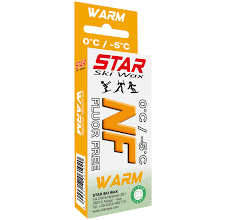
- hydrocarbon ski wax (non-fluorinated)
- The brand calls it PFAS-free, which we have not verified
- Volatile Organic Compounds (VOCs) and mineral oil vapor
3 hazards checked on this product, all on its full breakdown.
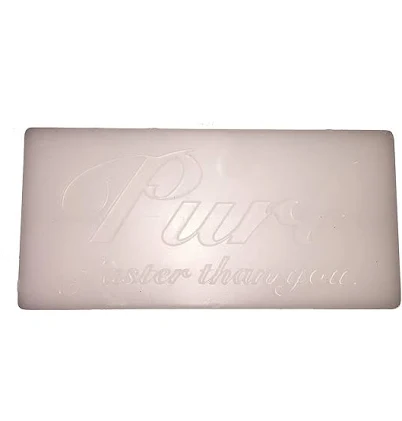
- hydrocarbon wax blend
- The brand calls it PFAS-free, which we have not verified
- Thermal degradation and fume emission
3 hazards checked on this product, all on its full breakdown.
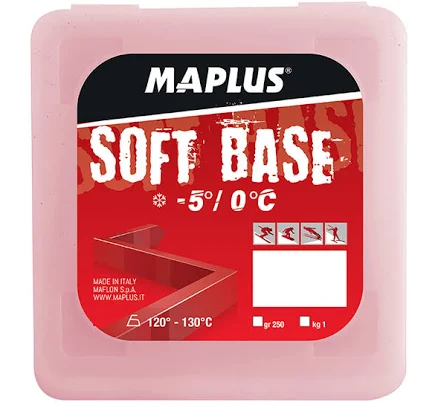
- Wax-based ski base, fluorine-free formulation
- The brand calls it PFAS-free, which we have not verified
- Inhalation of wax particulates and volatiles during application
More ski & sports wax grades
How we score, every product runs through the same public 0-100 rubric based on materials, coatings, brand disclosure, lab findings, and recalls. See the full methodology → Spotted a mistake? Report an error.