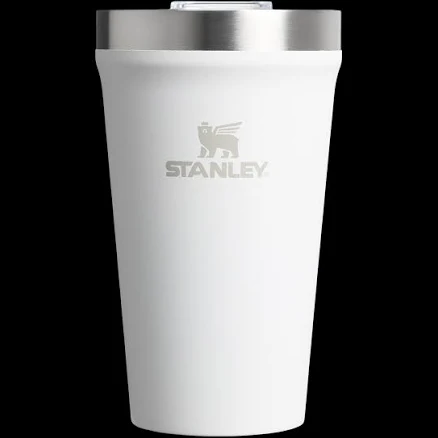
Stanley · Insulated Drink Tumblers
Stanley Everyday 16 oz Tumbler
Lower concern. Stainless steel tumbler with plastic lid, no coating on record.
Stanley Everyday tumbler is made of stainless steel with a plastic lid and has no water-repellent finish on record. The brand has no PFAS statement on record for this product.
We flunk more products than we pass. This one earned its grade. How we grade
Material
stainless steel with plastic lid
Lab data
No public lab test
What Stanley Everyday 16 oz Tumbler is made of, ingredients and materials
The Stanley Everyday tumbler uses food-grade 18/8 stainless steel for the body, which is chemically inert and does not leach metals into beverages under normal use. The plastic lid is typically polypropylene (PP) or similar commodity polymer. Stainless steel does not present cadmium, lead, or aluminum migration concerns that have been documented in some ceramic or coated cookware, making it a lower concern material choice for drinkware.
What’s concerning
No PFAS disclosure
No public statement from the brand about PFAS in this product.
Category baseline
The starting point for this type of product, before anything specific to this product is counted.
Plastic lid polymer degradation and leaching
The polypropylene or similar plastic lid may release trace monomers or additives if repeatedly heated, scratched, or exposed to strong solvents. Risk is low under typical beverage use but increases with dishwasher cycling and prolonged hot liquid contact. No recalls or reported incidents are documented for this specific product.
Microplastics
Physical wear of the plastic lid over time (scratching, repeated opening) may shed microplastic particles, particularly if the lid is dishwasher-cycled frequently. No specific data exists for this tumbler model, but the risk is inherent to any plastic-lidded drinkware and increases with product age.
Source, EPA ↗Bacterial growth in sealed gaps
The seal between the lid and body can trap moisture and food residue if not cleaned thoroughly, creating a microenvironment for bacterial or mold growth. This is a hygiene issue rather than a chemical toxicity concern but warrants hand-washing the underside of the lid regularly, especially if the tumbler sits unused for days.
What’s reassuring
Base material not linked to PFAS
The main material recorded for this product is not one associated with PFAS.
Stainless steel surface corrosion and metal release
18/8 stainless steel is highly resistant to corrosion and does not leach nickel, chromium, or iron under normal beverage storage conditions. Prolonged contact with salt or strong acids could theoretically degrade the surface over years, but this is not a practical concern with daily use of water or typical beverages.
The full breakdown
The brand's record and disclosure
Stanley has not made public PFAS certifications or transparency statements specific to this tumbler line. The company has no documented recalls tied to chemical leaching or toxicity in recent years. Stanley's reputation centers on durability rather than chemical safety advocacy, so independent third-party testing data is sparse. No major controversies regarding this product's safety profile are on record.
How it compares in its category
Stainless steel tumblers present lower concern as reusable drinkware compared to plastic-only bottles (which carry BPA/BPS risk) and some ceramic liners (which may have lead in glazes). Stanley's design is comparable to Hydro Flask and Contigo equivalents in material safety. The main trade-off is the plastic lid component, which introduces minor chemical exposure risk that glass or stainless lids would eliminate entirely.
If you buy it
Hand-wash the lid to avoid dishwasher degradation of the plastic over time. Do not fill with boiling water if the lid remains sealed (pressure risk), but the stainless steel body is not a material linked to beverage contamination concerns. Replace the lid if it becomes discolored, cracked, or develops an off-odor, as these signal polymer breakdown. Avoid prolonged storage of acidic liquids (citrus, vinegar) in the stainless steel, as prolonged contact can theoretically degrade the surface, though risk is low with 18/8 grade.
What we don’t know
- Basis
- Model estimate, 78% confidence, not a lab result
- Lab test
- None on record for this exact product
- Brand statement
- Stanley has made a specific claim
Formulations change between production runs, so check the current label. How we grade.
Better-graded alternatives in Insulated Drink Tumblers
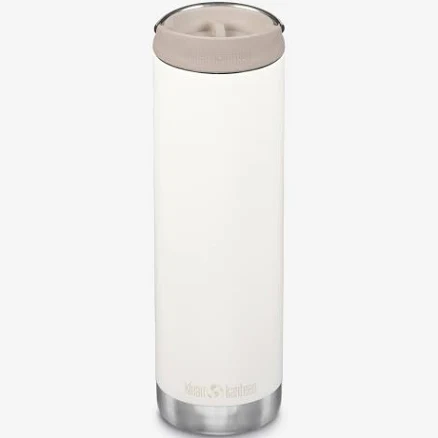
Klean Kanteen
20oz TKWide with Café Cap, Tofu
- Stainless steel bottle, stainless steel cap
- The brand calls it PFAS-free, which we have not verified
- Powder-coat cap degradation over time
3 hazards checked on this product. See all of them.
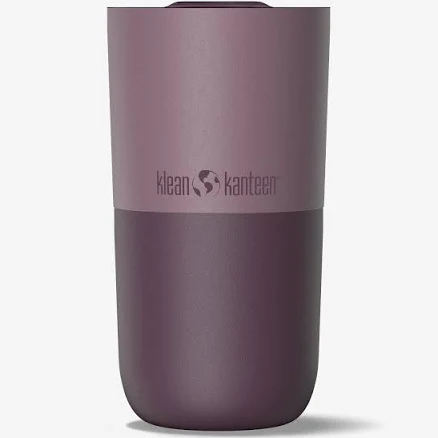
Klean Kanteen
16oz Rise Tumbler
- Stainless steel body, powder-coat finish
- The brand calls it PFAS-free, which we have not verified
- Powder-coat finish degradation
3 hazards checked on this product. See all of them.
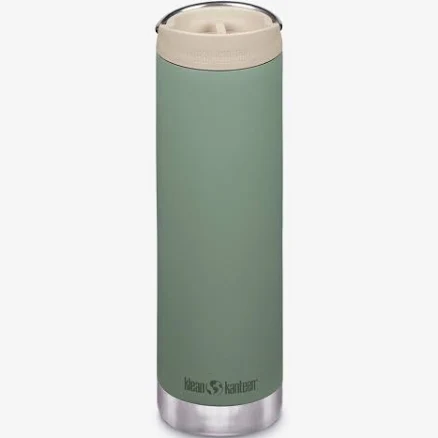
Klean Kanteen
Insulated TKWide Cap
- Stainless steel bottle, plastic cap and silicone gasket
- The brand calls it PFAS-free, which we have not verified
- Silicone gasket degradation and leaching
3 hazards checked on this product. See all of them.
More insulated drink tumblers grades
How we score, every product runs through the same public 0-100 rubric based on materials, coatings, brand disclosure, lab findings, and recalls. See the full methodology → Spotted a mistake? Report an error.