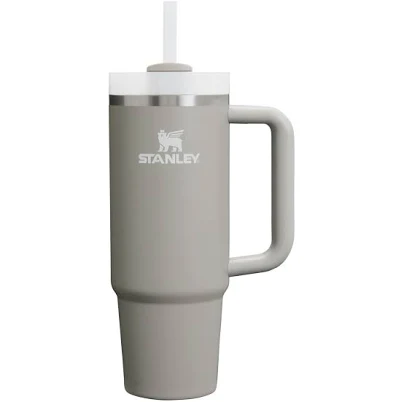
Stanley · Insulated Drink Tumblers
Stanley H2.0 Flowstate Quencher Tumbler
Low risk; bare stainless steel with standard plastic parts.
Stanley H2.0 Quencher is primarily stainless steel with lower concern status. The brand makes no PFAS claims; plastic lid and gasket composition goes unspecified but shows no PFAS treatment indicators.
We flunk more products than we pass. This one earned its grade. How we grade
Material
Stainless steel body, BPA-free plastic lid and gasket
Lab data
No public lab test
What Stanley H2.0 Flowstate Quencher Tumbler is made of, ingredients and materials
The Stanley H2.0 Flowstate uses food-grade stainless steel (typically 18/8) for the insulated body, which is chemically inert and does not leach metals into beverages under normal use. The lid and gasket are engineered plastics labeled BPA-free, meaning bisphenol A (a hormone disruptor) is not intentionally added. Stainless steel avoids the coating-degradation and metal-leaching concerns that plague non-stick or ceramic-coated drinkware. The primary exposure surface is plastic-to-mouth contact during drinking, a low-risk scenario for short-term use products.
What’s concerning
No PFAS disclosure
No public statement from the brand about PFAS in this product.
Category baseline
The starting point for this type of product, before anything specific to this product is counted.
Plastic lid and gasket degradation
Repeated dishwasher exposure or contact with hot liquids above 80C (176F) may cause the BPA-free plastic to crack, become brittle, or release unmeasured plastic particles over years of use. Stanley does not specify the exact plastic resin or its temperature stability limits.
Bacterial or mold growth in gasket
The silicone or rubber gasket can trap moisture and food debris if not thoroughly cleaned and dried; long-term users have reported mold odors. This is a maintenance issue rather than a manufacturing defect but reflects product design vulnerability.
Stainless steel pitting from acidic or salty beverages
Prolonged exposure to citrus, vinegar, or high-sodium drinks may cause surface corrosion and microscopic pitting in stainless steel, potentially releasing trace metals. Risk is low with typical use but increases with acidic beverages left overnight.
Off-gassing or odor from plastic components
New plastic lids and gaskets may emit a slight odor during the first few uses; this typically dissipates but indicates volatile organic compounds from plastic manufacturing. No toxicological concern is established, but sensitive individuals may notice.
No independent third-party testing disclosure
Stanley has not published test results for this tumbler model against drinking water standards or migration limits for plastic components. The absence of disclosure does not confirm a hazard but limits verifiable safety assurance beyond the BPA-free claim.
What’s reassuring
Base material not linked to PFAS
The main material recorded for this product is not one associated with PFAS.
The full breakdown
The brand's record and disclosure
Stanley has not publicly disclosed detailed material testing or third-party certifications for this specific tumbler model. The brand markets the product as BPA-free but remains silent on broader chemical safety practices and PFAS use in manufacturing or coatings. No major safety recalls or contamination incidents have been documented for the Flowstate line in public databases. The lack of transparency is typical for the drinkware category but represents a missed opportunity for consumer confidence.
How it compares in its category
Stainless steel tumblers have lower concern than some ceramic-lined competitors due to lead and cadmium risks in those products, and lower concern than Teflon-type coating-coated alternatives due to non-stick fume concerns. The Flowstate's BPA-free plastic lid is standard across premium insulated brands. Compared to lower-cost alternatives using untested plastic composites or questionable coatings, Stanley's material selection is conservative and appropriate. The main trade-off is cost; uninsulated stainless steel or basic plastic bottles carry lower upfront expense but no safety advantage.
If you buy it
Hand wash the lid and gasket rather than placing in the dishwasher to preserve plastic durability and avoid potential heat-induced leaching or warping over time. Avoid leaving acidic beverages (citrus, vinegar) in the tumbler for extended periods, as stainless steel is resistant but extended acid contact can cause pitting in lower-grade alloys. Replace the gasket every 12-18 months if it shows visible degradation, as a worn seal can harbor bacteria and mold. Do not fill with boiling water or place directly over flames; the insulated design limits safe temperature range to typical hot beverages (under 80C/176F sustained).
What we don’t know
- Basis
- Model estimate, 72% confidence, not a lab result
- Lab test
- None on record for this exact product
- Brand statement
- Stanley has made a specific claim
Formulations change between production runs, so check the current label. How we grade.
Better-graded alternatives in Insulated Drink Tumblers
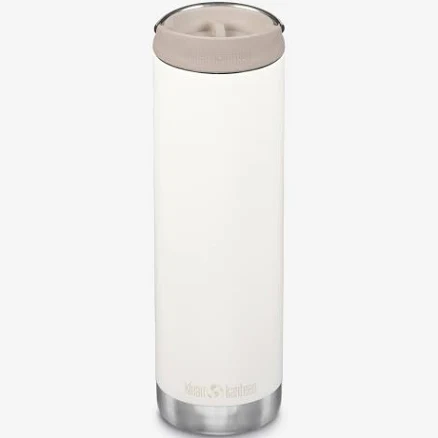
Klean Kanteen
20oz TKWide with Café Cap, Tofu
- Stainless steel bottle, stainless steel cap
- The brand calls it PFAS-free, which we have not verified
- Powder-coat cap degradation over time
3 hazards checked on this product. See all of them.
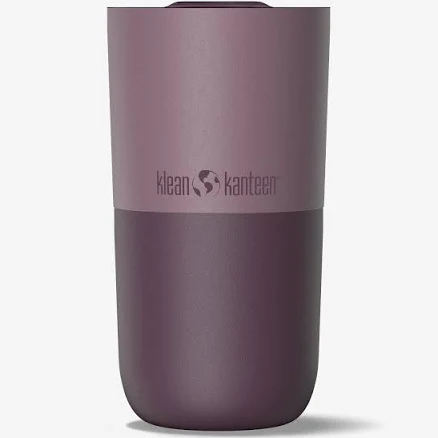
Klean Kanteen
16oz Rise Tumbler
- Stainless steel body, powder-coat finish
- The brand calls it PFAS-free, which we have not verified
- Powder-coat finish degradation
3 hazards checked on this product. See all of them.
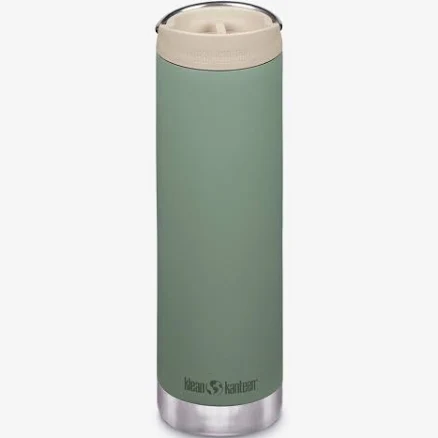
Klean Kanteen
Insulated TKWide Cap
- Stainless steel bottle, plastic cap and silicone gasket
- The brand calls it PFAS-free, which we have not verified
- Silicone gasket degradation and leaching
3 hazards checked on this product. See all of them.
More insulated drink tumblers grades
How we score, every product runs through the same public 0-100 rubric based on materials, coatings, brand disclosure, lab findings, and recalls. See the full methodology → Spotted a mistake? Report an error.