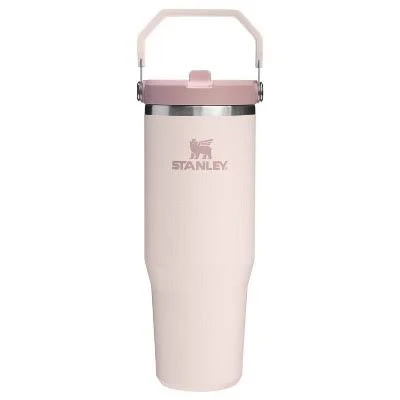
Stanley · Insulated Drink Tumblers
Stanley IceFlow Flip Straw Tumbler
Low risk. Stainless steel and basic plastic, no known PFAS.
Stanley IceFlow tumbler uses stainless steel with plastic components and no disclosed water-repellent coatings or nonstick treatments, reducing PFAS risk.
We flunk more products than we pass. This one earned its grade. How we grade
Material
Stainless steel body, plastic lid and straw
Lab data
No public lab test
What Stanley IceFlow Flip Straw Tumbler is made of, ingredients and materials
The Stanley IceFlow uses a stainless steel double-wall body, which is inert and does not leach metals or chemicals into beverages under normal use. The lid and straw are injection-molded plastic, typically polypropylene (PP) or similar food-grade polymers in consumer tumblers of this type. Stainless steel avoids the aluminum leaching risk present in some aluminum tumblers and the coating-degradation concerns of coated ceramics. The plastic components are the primary exposure pathway, though the tumbler is designed for cold beverages, which minimizes plastic leaching.
What’s concerning
No PFAS disclosure
No public statement from the brand about PFAS in this product.
Category baseline
The starting point for this type of product, before anything specific to this product is counted.
BPA & bisphenols
Modern food-grade plastics used in Stanley tumblers are often BPA-free, but composition is not confirmed for this specific model. Cold-beverage use minimizes migration risk, but hot beverages or prolonged contact with acidic drinks increase exposure probability.
Source, FDA ↗Microplastics
If the plastic straw is damaged, cracked, or heavily worn, small plastic fragments may shed into the beverage. This risk increases with repeated use and dishwasher cycles but remains low with normal care.
Source, EPA ↗Mold or bacterial growth in lid seals
Double-wall tumblers with tight-fitting lids can trap moisture in seal grooves if not fully dried after cleaning. This is a maintenance issue rather than a material hazard, but user reports of mold growth in similar tumblers are documented online.
Undisclosed coatings or treatments on plastic surfaces
Stanley has not publicly confirmed whether the plastic lid or straw contain water-repellent coatings, non-stick treatments, or slip agents. If Teflon-type coating or other fluorinated polymers are present (unlikely but unconfirmed), they would pose minimal risk in a cold-beverage context but represent a transparency gap.
What’s reassuring
Base material not linked to PFAS
The main material recorded for this product is not one associated with PFAS.
Stainless steel safety (low concern for this use)
Food-grade stainless steel (typically 18/8 or similar) does not leach nickel or chromium at clinically significant levels in cold beverage storage. No hazard is established for this product type under normal use.
The full breakdown
The brand's record and disclosure
Stanley has not publicly released detailed composition disclosures or third-party safety certifications for this specific model. The brand has not faced major recalls or published controversies linked to the IceFlow line. Stanley's silence on PFAS use in lid/straw coatings is typical for the drinkware industry but leaves questions unanswered regarding water-repellent or non-stick treatments on plastic parts. No established evidence of quality-control failures specific to this product line is available in public records.
How it compares in its category
The IceFlow compares favorably to single-wall plastic tumblers and some lower-cost stainless options that may use cheaper coatings or mixed materials. It is comparable to other major brands (Yeti, Hydro Flask, RTIC) in material composition, though those brands vary in transparency about plastic additives. The stainless steel construction places it above basic BPA-prone plastic tumblers but offers no advantage over other double-wall stainless designs in hazard profile. Price and insulation performance differentiate it more than safety does within this category.
If you buy it
Use the tumbler exclusively for cold beverages; hot liquid contact with the plastic lid and straw increases the small risk of plastic additive migration. Replace the lid or straw if visible cracks, cloudiness, or discoloration appear, as these signal material degradation. Hand wash or use the top-rack dishwasher setting for plastic parts; high heat cycles may accelerate polymer breakdown. Do not leave filled with acidic liquids (citrus, vinegar) for extended periods, as acidity can slightly increase plastic leaching.
What we don’t know
- Basis
- Model estimate, 72% confidence, not a lab result
- Lab test
- None on record for this exact product
- Brand statement
- Stanley has made a specific claim
Formulations change between production runs, so check the current label. How we grade.
Better-graded alternatives in Insulated Drink Tumblers
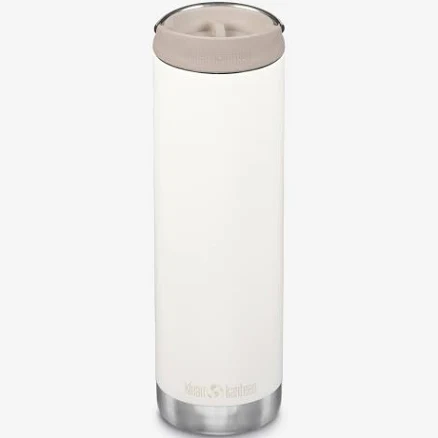
Klean Kanteen
20oz TKWide with Café Cap, Tofu
- Stainless steel bottle, stainless steel cap
- The brand calls it PFAS-free, which we have not verified
- Powder-coat cap degradation over time
3 hazards checked on this product. See all of them.
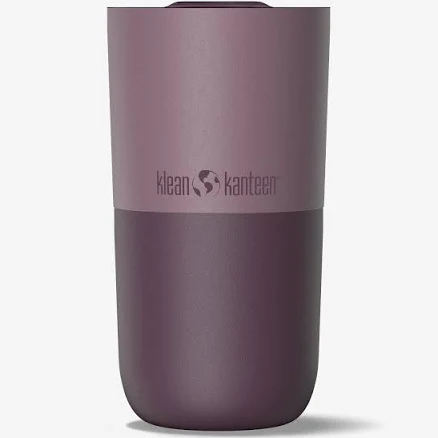
Klean Kanteen
16oz Rise Tumbler
- Stainless steel body, powder-coat finish
- The brand calls it PFAS-free, which we have not verified
- Powder-coat finish degradation
3 hazards checked on this product. See all of them.
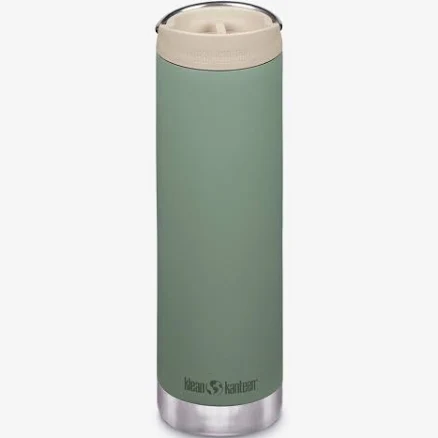
Klean Kanteen
Insulated TKWide Cap
- Stainless steel bottle, plastic cap and silicone gasket
- The brand calls it PFAS-free, which we have not verified
- Silicone gasket degradation and leaching
3 hazards checked on this product. See all of them.
More insulated drink tumblers grades
How we score, every product runs through the same public 0-100 rubric based on materials, coatings, brand disclosure, lab findings, and recalls. See the full methodology → Spotted a mistake? Report an error.