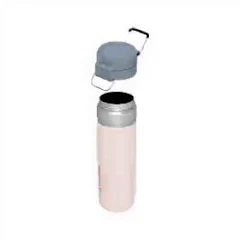
Stanley · Insulated Drink Tumblers
Stanley Quick Flip Go Bottle
Low risk. Stainless steel drinkware, no known water-repellent coatings.
Stanley Quick Flip bottles use stainless steel without waterproof treatments. No PFAS disclosure exists, but the material choice suggests lower risk than coated alternatives.
We flunk more products than we pass. This one earned its grade. How we grade
Material
Stainless steel body, plastic cap with silicone seals
Lab data
No public lab test
What Stanley Quick Flip Go Bottle is made of, ingredients and materials
The Stanley Quick Flip Go Bottle uses a 18/8 stainless steel body, which is corrosion-resistant and does not leach metals into liquids under normal use. The plastic cap and silicone seals are the only polymer components that contact beverages; neither material has established links to BPA or phthalate migration in cold-drink bottles at normal temperatures. Stainless steel drinkware avoids the aluminum leaching and coating-degradation risks common in aluminum or ceramic-lined bottles.
What’s concerning
No PFAS disclosure
No public statement from the brand about PFAS in this product.
Category baseline
The starting point for this type of product, before anything specific to this product is counted.
Silicone seal degradation
Silicone flip-top seals can harden, crack, or shed small particles after extended use or thermal cycling, particularly if the bottle is washed repeatedly in hot dishwashers. Replacement gaskets are widely available and inexpensive.
Microplastic shedding from seals
Worn or degraded silicone seals can release small particles into beverages; this risk is common to all silicone-sealed bottles and is minimized by replacing gaskets before visible deterioration occurs.
What’s reassuring
Base material not linked to PFAS
The main material recorded for this product is not one associated with PFAS.
Plastic cap component leaching
The plastic cap materials in this product line are not identified publicly, but caps in budget drinkware typically use polypropylene or polyethylene, neither of which leaches BPA or phthalates at cold temperatures. No recalls or safety alerts have been issued for this model.
Stainless steel corrosion under extreme conditions
18/8 stainless steel resists corrosion from tap water and most beverages. Prolonged contact with acidic drinks (below pH 3) or salt water may accelerate surface oxidation, but leaching of chromium or nickel under typical use is not documented.
Cap adhesive or off-gassing
Stanley does not disclose adhesive or coating chemistry for caps. No odor complaints or chemical off-gassing have been reported for this model, and the product is not listed on any regulatory warning databases.
The full breakdown
The brand's record and disclosure
Stanley has not published detailed material safety data sheets or third-party certifications (e.g., NSF, FDA compliance statements) for this specific product line, nor has the brand made public commitments on PFAS avoidance in drinkware. The company has no documented recalls or safety controversies tied to this bottle model. Stanley's silence on composition transparency is typical for the budget drinkware market but limits independent verification of component sourcing.
How it compares in its category
Stainless steel bottles are not a material linked to PFAS, unlike some aluminum, ceramic, and plastic alternatives that may present concerns. The Quick Flip Go competes directly with brands like Hydro Flask and Contigo; its lower price reflects simpler insulation design rather than material downgrade. The silicone flip-top cap is standard in this category and poses no known hazards when replaced every 1-2 years as wear occurs.
If you buy it
Avoid dishwashers if the cap seals are glued rather than molded, as high heat can degrade adhesive bonds; hand-wash the cap and bottle separately. Do not use boiling water in the bottle repeatedly, as thermal stress can degrade silicone seals over time. Replace the cap gasket every 12-18 months if it cracks, hardens, or no longer seals; dried silicone can shed microparticles. The stainless steel body itself requires no special care and should not leach under normal use.
What we don’t know
- Basis
- Model estimate, 72% confidence, not a lab result
- Lab test
- None on record for this exact product
- Brand statement
- Stanley has made a specific claim
Formulations change between production runs, so check the current label. How we grade.
Better-graded alternatives in Insulated Drink Tumblers
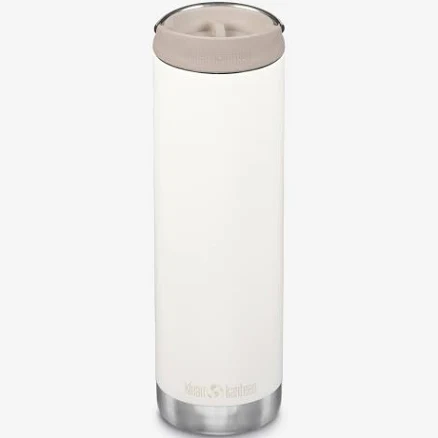
Klean Kanteen
20oz TKWide with Café Cap, Tofu
- Stainless steel bottle, stainless steel cap
- The brand calls it PFAS-free, which we have not verified
- Powder-coat cap degradation over time
3 hazards checked on this product. See all of them.
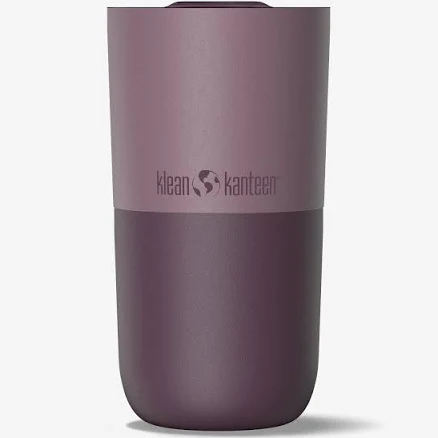
Klean Kanteen
16oz Rise Tumbler
- Stainless steel body, powder-coat finish
- The brand calls it PFAS-free, which we have not verified
- Powder-coat finish degradation
3 hazards checked on this product. See all of them.
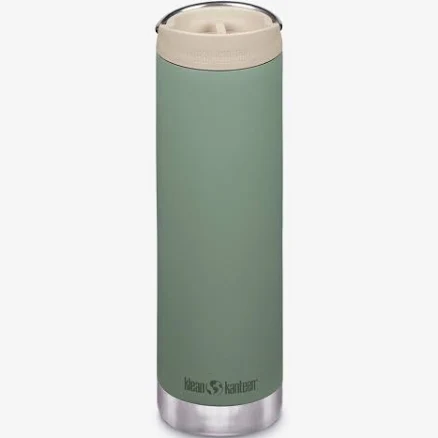
Klean Kanteen
Insulated TKWide Cap
- Stainless steel bottle, plastic cap and silicone gasket
- The brand calls it PFAS-free, which we have not verified
- Silicone gasket degradation and leaching
3 hazards checked on this product. See all of them.
More insulated drink tumblers grades
How we score, every product runs through the same public 0-100 rubric based on materials, coatings, brand disclosure, lab findings, and recalls. See the full methodology → Spotted a mistake? Report an error.