
Stanley · Insulated Drink Tumblers
Stanley Quencher Tumbler
Low risk design, but lid material unspecified.
Stanley Quencher combines stainless steel with plastic components and provides no PFAS disclosure. Lid and seal materials aren't detailed in public specifications.
We flunk more products than we pass. This one earned its grade. How we grade
Material
stainless steel body, plastic lid and grip
Lab data
No public lab test
What Stanley Quencher Tumbler is made of, ingredients and materials
The Stanley Quencher features a stainless steel double-wall body, which is inert and does not leach metals or chemicals into beverages under normal use. The lid and grip are plastic, likely polypropylene or similar food-contact-approved polymer, though Stanley has not publicly specified the exact plastic resin. Stainless steel avoids the aluminum leaching concern seen in some insulated bottles and eliminates ceramic coating hazards. The primary material exposure pathway is through the plastic lid, which may degrade or off-gas if exposed to high heat or prolonged UV exposure.
What’s concerning
Category baseline
The starting point for this type of product, before anything specific to this product is counted.
No PFAS disclosure
No public statement from the brand about PFAS in this product.
Plastic lid and grip off-gassing or leaching
The exact plastic resin and any coatings on the lid are not disclosed. If the plastic is not food-grade or if it contains recycled resin, low-level off-gassing of volatile organic compounds or migration of processing residues is possible under heat or prolonged contact with acidic beverages.
Rubber gasket or seal contamination or degradation
The lid likely contains rubber gaskets to ensure a seal. Over years of use, these seals may soften, harden, or break down, potentially allowing bacteria growth in the seam or releasing small particles. Regular cleaning and inspection can mitigate this risk.
PFAS
Stanley has not confirmed whether the plastic lid or any interior coating on the tumbler contains PFAS. Many plastic lids and seals may use PFAS-based water or oil repellents. This is graded separately but remains a material uncertainty for this product.
Source, ATSDR ↗What’s reassuring
Base material not linked to PFAS
The main material recorded for this product is not one associated with PFAS.
Coating degradation on stainless steel seams or connections
The stainless steel body itself does not degrade, but internal welds or rubber/plastic seals may wear over time with repeated thermal cycling. No widespread reports of leaching from the steel body have been documented.
Heavy metals
Stainless steel does not leach lead or cadmium under normal conditions. However, if tap water is contaminated with heavy metals, the tumbler will not introduce additional metal exposure beyond what is already in the water source.
Source, FDA ↗The full breakdown
The brand's record and disclosure
Stanley has not issued public statements on PFAS use in the Quencher line, and no formal PFAS testing results are available from the brand. The company has no widely documented recalls or safety controversies specific to this tumbler model. Stanley is known for durability-focused marketing but does not emphasize chemical safety or third-party certifications (such as NSF or BPA-free labeling) for this product. The lack of disclosure is typical for this product category but leaves PFAS status in the lid and grip unknown.
How it compares in its category
The Quencher sits in the mid-to-premium segment of insulated tumblers. Its stainless steel construction presents lower concerns than single-wall plastic alternatives and avoids the coating-degradation risks associated with enameled or ceramic-lined competitors. Compared to glass-lined or ceramic-lined options, it has no risk of glaze leaching or ceramic chip ingestion. However, it differs from brands that explicitly test for PFAS or provide material transparency, making it a middle-ground choice on the disclosure spectrum.
If you buy it
Avoid filling the tumbler with boiling water and then immediately capping the lid, as sustained heat can accelerate plastic degradation and off-gassing. Hand-wash the lid rather than placing it in the dishwasher; high heat cycles may weaken the plastic or any coatings. Inspect the lid seals and grip annually for cracks, discoloration, or swelling; replace the lid assembly if visible damage appears. Keep the tumbler away from prolonged direct sunlight, which can degrade plastic over years of storage.
What we don’t know
- Basis
- Model estimate, 75% confidence, not a lab result
- Lab test
- None on record for this exact product
- Brand statement
- Stanley has made a specific claim
Formulations change between production runs, so check the current label. How we grade.
Better-graded alternatives in Insulated Drink Tumblers
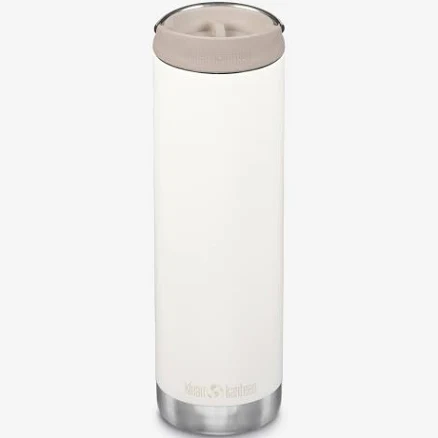
Klean Kanteen
20oz TKWide with Café Cap, Tofu
- Stainless steel bottle, stainless steel cap
- The brand calls it PFAS-free, which we have not verified
- Powder-coat cap degradation over time
3 hazards checked on this product. See all of them.
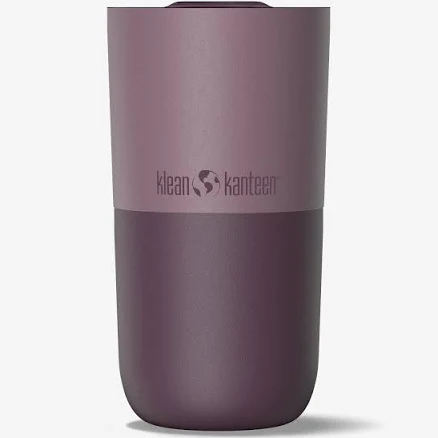
Klean Kanteen
16oz Rise Tumbler
- Stainless steel body, powder-coat finish
- The brand calls it PFAS-free, which we have not verified
- Powder-coat finish degradation
3 hazards checked on this product. See all of them.
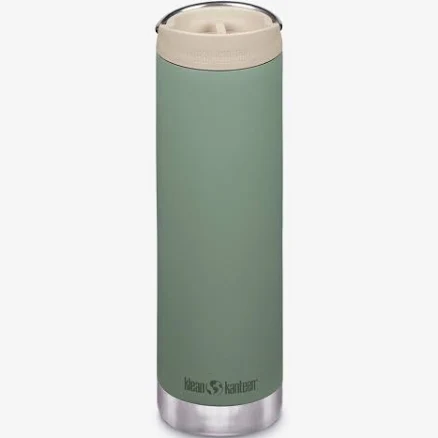
Klean Kanteen
Insulated TKWide Cap
- Stainless steel bottle, plastic cap and silicone gasket
- The brand calls it PFAS-free, which we have not verified
- Silicone gasket degradation and leaching
3 hazards checked on this product. See all of them.
More insulated drink tumblers grades
How we score, every product runs through the same public 0-100 rubric based on materials, coatings, brand disclosure, lab findings, and recalls. See the full methodology → Spotted a mistake? Report an error.