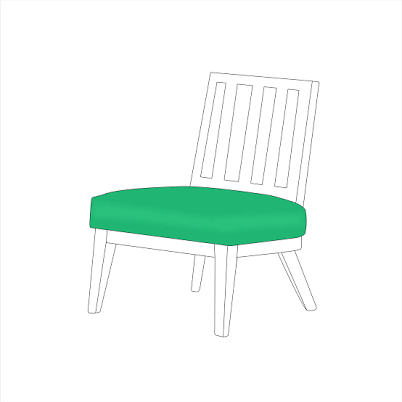
Sunbrella · Outdoor Furniture Cushion Protectants
ZIPCushions Sunbrella Square Outdoor Custom Cushion Covers
Sunbrella uses water-repellent coating treatment, PFAS status undisclosed.
Sunbrella outdoor fabrics get water and stain resistance treatment that commonly involves PFAS-based water-repellent coating coatings. Brand provides no PFAS disclosure or lab testing.
The better-graded swap
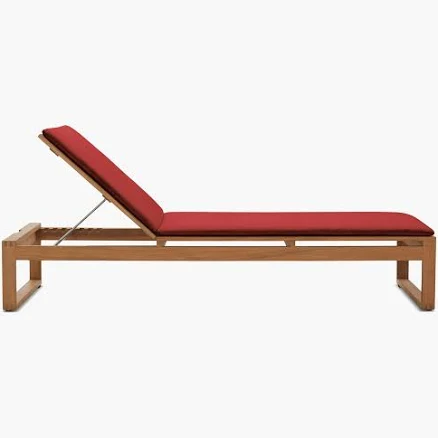
Design Within Reach
Design Within Reach Block Island Sunbed Cushion Outlet
75/100 safety
Same rubric that flunked this product. The swap earned Excellent.
Still want this one anyway? Check the price on Amazon. We’d swap it.
Material
Sunbrella acrylic fabric with water-repellent coating treatment
Brand disclosure
Brand is silent on PFAS
Lab data
No public lab test
What ZIPCushions Sunbrella Square Outdoor is made of, ingredients and materials
ZIPCushions Sunbrella covers are made from Sunbrella solution-dyed acrylic fabric, a synthetic material that resists fading and water absorption by design. The fabric receives a water-repellent coating (water-repellent coating) finish to enhance outdoor performance. Solution-dyed acrylic itself has low documented toxicity risk, but the composition and chemistry of Sunbrella's proprietary water-repellent coating treatment remain undisclosed by the brand, creating uncertainty around potential chemical additives.
What’s concerning
Category baseline
The starting point for this type of product, before anything specific to this product is counted.
No PFAS disclosure
No public statement from the brand about PFAS in this product.
Waterproof / stain-resistant treatment
Water-repellent coating treatments have historically used PFAS.
water-repellent coating (water-repellent coating) treatment composition
Sunbrella does not disclose whether its water-repellent coating uses fluorinated compounds (which may contain PFAS) or non-fluorinated alternatives. Industry practice varies; independent testing would be needed to confirm chemical identity. This uncertainty is the primary non-PFAS concern for this product.
Volatile organic compound (VOC) off-gassing
New Sunbrella fabric may release light VOCs during initial use, typical of treated synthetics. Airing covers outdoors or in ventilated spaces for 24-48 hours after purchase should minimize any detectable odor. Off-gassing levels are not documented as hazardous by independent testing.
What’s reassuring
Formaldehyde / VOCs
No documentation of formaldehyde-releasing resins in Sunbrella acrylic fabric. Solution-dyed acrylic typically does not require formaldehyde-based finishing, but cross-contamination during manufacture remains theoretically possible for any textile.
Source, ATSDR ↗Heavy metals
Sunbrella uses solution-dyed acrylic, meaning pigment is embedded during fiber extrusion rather than applied afterward. This process reduces azo dye risk compared to post-dyed fabrics, and no recalls or public hazard alerts regarding dye toxicity have been recorded for this brand.
Source, FDA ↗Flame retardants
No evidence that Sunbrella cushion covers contain added flame retardants. Acrylic fiber itself has moderate inherent flame resistance; outdoor cushions are not typically required to meet strict flame standards in residential use.
Source, EPA ↗The full breakdown
The brand's record and disclosure
Sunbrella is owned by Glen Raven and has built reputation for durability and fade resistance but maintains silence on detailed chemical composition and treatment methodology. The brand does not publish Safety Data Sheets or PFAS use statements, and no third-party certifications (such as OEKO-TEX or Cradle to Cradle) are prominently associated with these covers. This lack of transparency is typical within the outdoor fabric industry but limits independent hazard assessment.
How it compares in its category
Sunbrella acrylic covers occupy the mid-to-premium segment of outdoor cushion fabrics. They outperform untreated natural textiles and basic polyesters in longevity and stain resistance, but compete with brands that offer certified performance (such as those with OEKO-TEX or GOTS standards). Most outdoor cushion fabrics in this price range use similar water-repellent coating treatments without public disclosure; Sunbrella's opacity is not exceptional but reflects industry-wide practice.
If you buy it
Wash covers by hand or gentle machine cycle with mild detergent; avoid harsh scrubbing that may degrade the water-repellent coating finish. Do not use heat sources (dryers, direct sun for extended periods) as synthetic acrylic can weaken and release off-gassing if overheated. Inspect seams and fabric annually for pilling, cracking, or water-beading loss; replace covers once the water-repellent coating treatment visibly fails or the fabric shows structural wear. Store indoors in winter or use a breathable storage cover to reduce weathering.
What we don’t know
- Basis
- Model estimate, 42% confidence, not a lab result
- Lab test
- None on record for this exact product
- Brand statement
- Sunbrella has made none
Formulations change between production runs, so check the current label. How we grade.
Better-graded alternatives in Outdoor Furniture Cushion Protectants
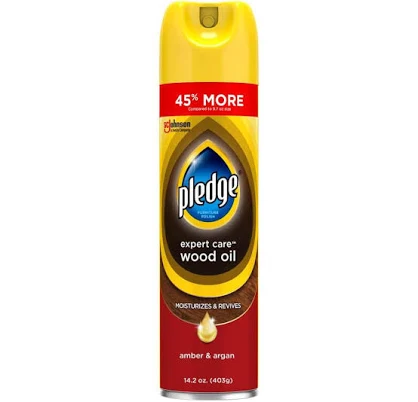
Pledge
14.2 oz. Amber and Argan Scent Furniture Moisturizing Oil
- mineral oil, argan oil blend
- We found no PFAS statement from the brand
- Fragrance allergens and undisclosed components
4 hazards checked on this product. See all of them.
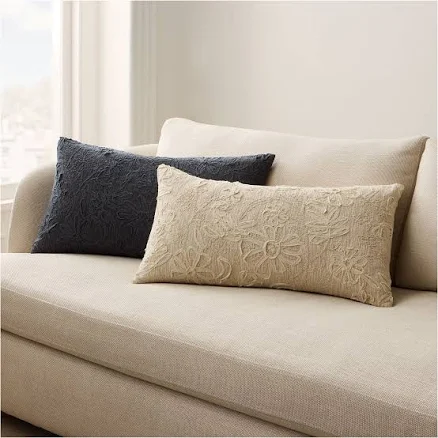
West Elm
Cut Garden Flowers Pillow Cover
- 100% cotton canvas
- Azo dyes and dye contamination
3 hazards checked on this product. See all of them.
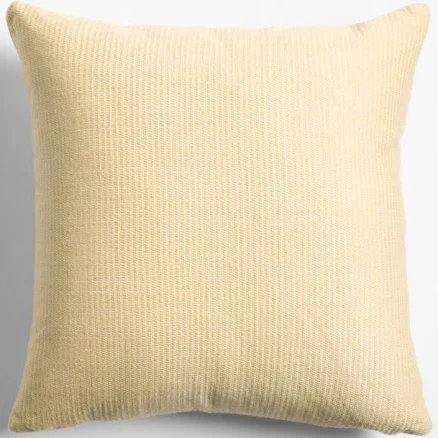
Crate and Barrel
Crate & Barrel Surya Yellow Throw Pillow
- Polyester, cotton, or cotton-blend fabric with standard dyes
- We found no PFAS statement from the brand
- Azo dyes and color migration
3 hazards checked on this product. See all of them.
More outdoor furniture cushion protectants grades
How we score, every product runs through the same public 0-100 rubric based on materials, coatings, brand disclosure, lab findings, and recalls. See the full methodology → Spotted a mistake? Report an error.