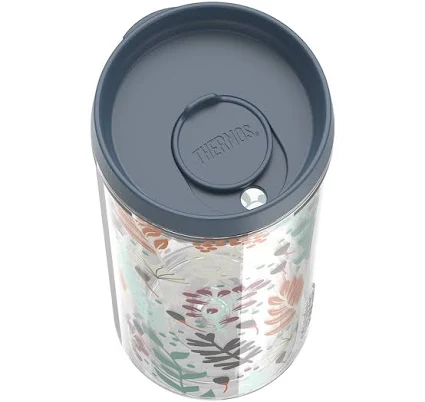
Thermos · Insulated Drink Tumblers
Thermos 24oz Double WALL Tumbler
Lower concern, but brand discloses nothing on PFAS.
Double-wall tumblers use stainless steel and plastics without known PFAS-prone coatings. Thermos provides no PFAS transparency, and no lab data are available for this model.
We flunk more products than we pass. This one earned its grade. How we grade
Material
Stainless steel interior, plastic/polymer exterior
Brand disclosure
Brand is silent on PFAS
Lab data
No public lab test
What Thermos 24oz Double WALL Tumbler is made of, ingredients and materials
The Thermos double-wall tumbler pairs a stainless steel interior (food-contact surface) with a polymer/plastic outer shell, typically polypropylene or similar thermoplastic. Stainless steel does not leach metals or require non-stick coatings, making it chemically inert for hot and cold beverages. The plastic exterior is not food-contact; its role is insulation and structural integrity, which reduces chemical migration risk compared to all-plastic tumblers.
What’s concerning
Category baseline
The starting point for this type of product, before anything specific to this product is counted.
No PFAS disclosure
No public statement from the brand about PFAS in this product.
Polymer exterior durability and degradation
Repeated thermal cycling and dishwasher exposure can cause micro-crazing or discoloration of the plastic shell over years, potentially releasing small amounts of polymer residue. No specific degradation toxicity documented for Thermos tumblers, but wear inspection is prudent.
PFAS
Thermos does not disclose whether PFAS are used in finishes on the plastic exterior shell for stain or water resistance. The exterior is not food-contact, so direct ingestion risk is low, but manufacturing transparency gap remains.
Source, ATSDR ↗What’s reassuring
Base material not linked to PFAS
The main material recorded for this product is not one associated with PFAS.
Lid seal and gasket materials (elastomer/silicone)
Thermos lids typically use silicone or rubber gaskets, which are food-safe when new. No recalls or contamination reports on record, but gaskets should be inspected for mold or degradation if lid is left wet or stored sealed.
Stainless steel interior leaching (minimal risk)
Stainless steel is passivated and highly resistant to leaching under normal use. Risk is negligible unless the interior is scratched or damaged, exposing underlying alloy; scratches alone do not represent a practical hazard in beverage-only use.
Formaldehyde / VOCs
Double-wall assembly uses adhesives and sealants; no independent testing or recall data suggests formaldehyde or volatile organic compound release from Thermos tumblers. Food-contact surface is stainless steel, not adhesive-exposed.
Source, ATSDR ↗The full breakdown
The brand's record and disclosure
Thermos is a long-established brand owned by Groupe SEB; the company maintains general product safety certifications (FDA compliance for food-contact materials in the US). However, Thermos has not publicly disclosed PFAS testing results or manufacturing practices for this product line, leaving uncertainty about water-repellent or anti-stain treatments on the plastic components. No recalls or established safety violations on record for this specific tumbler model.
How it compares in its category
Double-wall tumblers with stainless steel interiors have lower concern in the reusable beverage container category because the stainless steel interior is not a material linked to aluminum leaching and the construction avoids Teflon-type coating/non-stick coatings. Compared to ceramic-lined or all-plastic alternatives, this design eliminates concerns about glaze contaminants or BPA migration from temperature cycling. The trade-off is reliance on the plastic exterior, which is opaque but not a direct food-contact hazard.
If you buy it
Hand-wash the lid and plastic exterior to avoid high-temperature dishwasher stress that can degrade polymer seals; the stainless steel interior is durable. Avoid prolonged contact with acidic beverages (citrus, vinegar) at high temperatures, which can slightly increase metal ion leaching even from stainless steel, though risk remains very low. Replace the lid gasket if it becomes visibly cracked or loses elasticity, typically after 2-3 years of heavy use. Do not boil or microwave the tumbler due to the plastic exterior.
What we don’t know
- Basis
- Model estimate, 72% confidence, not a lab result
- Lab test
- None on record for this exact product
- Brand statement
- Thermos has made none
Formulations change between production runs, so check the current label. How we grade.
Better-graded alternatives in Insulated Drink Tumblers
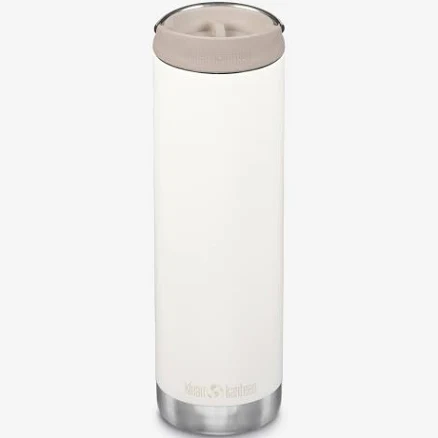
Klean Kanteen
20oz TKWide with Café Cap, Tofu
- Stainless steel bottle, stainless steel cap
- The brand calls it PFAS-free, which we have not verified
- Powder-coat cap degradation over time
3 hazards checked on this product. See all of them.
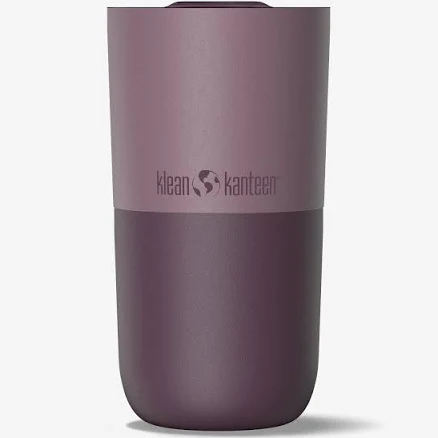
Klean Kanteen
16oz Rise Tumbler
- Stainless steel body, powder-coat finish
- The brand calls it PFAS-free, which we have not verified
- Powder-coat finish degradation
3 hazards checked on this product. See all of them.
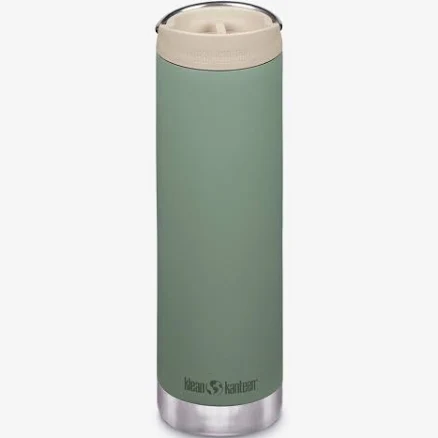
Klean Kanteen
Insulated TKWide Cap
- Stainless steel bottle, plastic cap and silicone gasket
- The brand calls it PFAS-free, which we have not verified
- Silicone gasket degradation and leaching
3 hazards checked on this product. See all of them.
More insulated drink tumblers grades
How we score, every product runs through the same public 0-100 rubric based on materials, coatings, brand disclosure, lab findings, and recalls. See the full methodology → Spotted a mistake? Report an error.