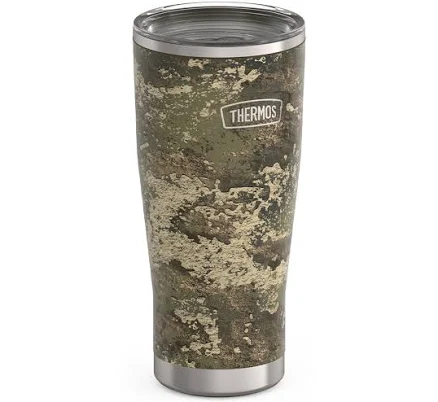
Thermos · Insulated Drink Tumblers
Thermos 24oz Insulated Cold Tumbler
Lower PFAS concern, as stainless steel construction poses minimal chemical leaching.
Thermos insulated tumblers use stainless steel walls with foam or air insulation, materials with minimal PFAS risk. No waterproof coating or nonstick surface was identified, and the brand has not disclosed PFAS information.
We flunk more products than we pass. This one earned its grade. How we grade
Material
Stainless steel and double-wall insulation
Brand disclosure
Brand is silent on PFAS
Lab data
No public lab test
What Thermos 24oz Insulated Cold Tumbler is made of, ingredients and materials
This tumbler uses food-grade stainless steel (typically 18/8 or similar austenitic alloy) as the primary contact material, which is chemically stable and does not leach metals or compounds into beverages under normal cold-use conditions. The double-wall construction creates an air or vacuum gap for insulation, not a chemical barrier, so no additional polymers or coatings are in the beverage path. Stainless steel's passive oxide layer resists corrosion and does not degrade from cold liquids, making it one of the lowest-risk vessel materials available.
What’s concerning
Category baseline
The starting point for this type of product, before anything specific to this product is counted.
No PFAS disclosure
No public statement from the brand about PFAS in this product.
Seal/gasket degradation
Double-wall tumblers often use silicone or rubber gaskets; prolonged use and thermal cycling may cause these to crack or degrade over years, but this affects insulation and spill-proofing, not chemical safety.
Bacterial or mold growth in insulation gap
If the seal fails and moisture enters the double-wall cavity, mold may grow in the enclosed space, but this would be visible/detectable and does not pose acute chemical leaching risk; contamination of the beverage is possible only if structural failure allows gap contents to re-enter the interior.
What’s reassuring
Base material not linked to PFAS
The main material recorded for this product is not one associated with PFAS.
Metal leaching (nickel, chromium)
Stainless steel in cold beverages does not initiate corrosion or leaching of nickel or chromium under normal use. Acidic beverages (citrus, vinegar) stored for extended periods pose theoretical but not documented risk with food-grade stainless.
Coating delamination or flaking (interior)
No interior coating hazard is documented for this product; stainless steel does not require a protective coating and is the beverage-contact material itself.
The full breakdown
The brand's record and disclosure
Thermos is a long-established drinkware manufacturer with decades of market presence and no documented safety recalls or chemical-leaching incidents tied to their stainless steel tumblers. The brand has not publicly disclosed detailed PFAS or manufacturing-process certifications, but their product line relies on mature stainless steel technology rather than emerging materials or coatings that typically introduce contamination risk. No established controversies regarding heavy metal content or hazardous additive use have been recorded for this product category under the Thermos brand.
How it compares in its category
Stainless steel tumblers occupy a middle-to-premium tier for safety, they outperform plastic options (which carry microplastic and polymer-leaching risk) and match or exceed ceramic alternatives (which may have lead-glazed rims or chipping hazards). Double-wall insulation via air gap is chemically simpler than gel-filled or foam-core designs that introduce synthetic materials into the product structure. In cold-beverage storage specifically, stainless steel poses essentially no known chemical hazard compared to coated aluminum or laminated materials.
If you buy it
Use this tumbler for cold or room-temperature beverages; prolonged exposure to very hot liquids (above 160F) is not recommended for double-wall vessels, as thermal stress may eventually compromise the seal, though this affects insulation performance, not safety. Hand-wash rather than dishwasher if possible to extend the lifespan of any interior coating or seal, though stainless steel itself is dishwasher-safe. Inspect the base seal and interior for any unusual discoloration or metallic taste (which would be extremely rare) and replace the tumbler if structural integrity is visibly compromised or seal fails.
What we don’t know
- Basis
- Model estimate, 78% confidence, not a lab result
- Lab test
- None on record for this exact product
- Brand statement
- Thermos has made none
Formulations change between production runs, so check the current label. How we grade.
Better-graded alternatives in Insulated Drink Tumblers
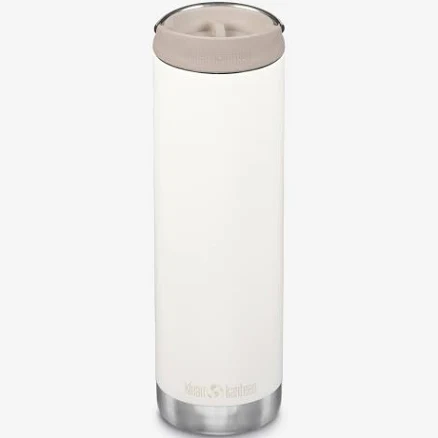
Klean Kanteen
20oz TKWide with Café Cap, Tofu
- Stainless steel bottle, stainless steel cap
- The brand calls it PFAS-free, which we have not verified
- Powder-coat cap degradation over time
3 hazards checked on this product. See all of them.
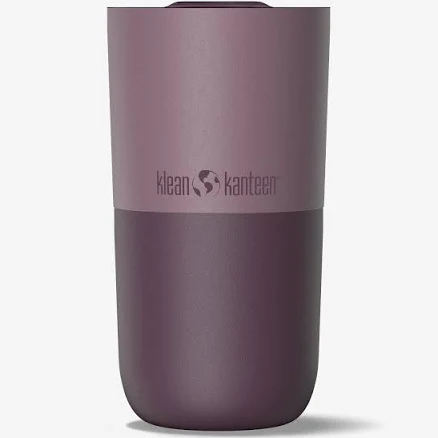
Klean Kanteen
16oz Rise Tumbler
- Stainless steel body, powder-coat finish
- The brand calls it PFAS-free, which we have not verified
- Powder-coat finish degradation
3 hazards checked on this product. See all of them.
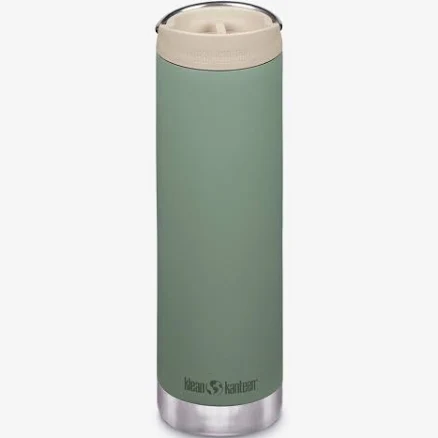
Klean Kanteen
Insulated TKWide Cap
- Stainless steel bottle, plastic cap and silicone gasket
- The brand calls it PFAS-free, which we have not verified
- Silicone gasket degradation and leaching
3 hazards checked on this product. See all of them.
More insulated drink tumblers grades
How we score, every product runs through the same public 0-100 rubric based on materials, coatings, brand disclosure, lab findings, and recalls. See the full methodology → Spotted a mistake? Report an error.