Titleist · Golf Balls & Equipment
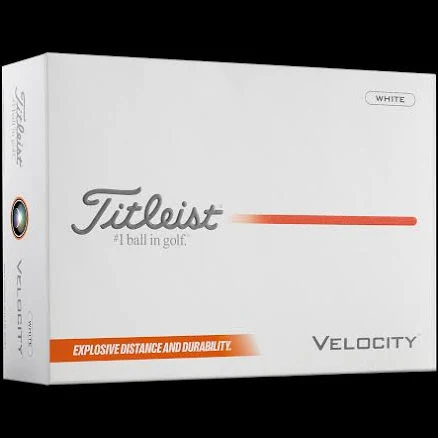
Titleist Velocity Golf Balls
Lower concern golf ball, no known PFAS use in construction.
Titleist Velocity uses standard synthetic polymer materials found throughout modern golf balls. No public evidence points to PFAS-containing treatments or coatings, though manufacturer transparency is absent.
We flunk more products than we pass. This one earned its grade. How we grade
Material
Synthetic rubber/polymer core, ionomer cover
Brand disclosure
Brand is silent on PFAS
Lab data
No public lab test
You may also be interested in
Top-graded picks in the categories readers replace first, every one scored on the same rubric.

Aqua Pure
3M Aqua-Pure AP802B Whole House Filter Housing
- polypropylene filter housing, carbon/sediment cartridge
- We found no PFAS statement from the brand
- Bacterial growth in spent cartridges
3 hazards checked on this product. See all of them.

Aquasure
Premier Series 75 GPD Under Sink Reverse Osmosis Water Filtration System
- RO membrane, carbon filters, stainless steel housing
- We found no PFAS statement from the brand
- Bacterial and microbial growth in housing and filters
4 hazards checked on this product. See all of them.

Avocado
Vegan Mattress
- organic cotton, natural latex, coconut coir, recycled steel coils
- The brand calls it PFAS-free, which we have not verified
- Heavy metals
2 hazards checked on this product. See all of them.
What Titleist Velocity Golf Balls is made of, ingredients and materials
Titleist Velocity balls use a synthetic rubber core wrapped in an ionomer cover, a durable thermoplastic polymer. This construction is inherently stable during normal play and does not leach into food, water, or skin contact in ways that pose acute hazard. Golf balls sit in an unusual product category, they are used but not ingested, worn on skin briefly, and not heated to degradation temperatures, which significantly limits exposure pathways for most chemical hazards common in other consumer goods.
What’s concerning
Category baseline
The starting point for this type of product, before anything specific to this product is counted.
No PFAS disclosure
No public statement from the brand about PFAS in this product.
Microplastic shedding or degradation
Extended outdoor use causes surface wear of the ionomer cover, potentially releasing fine polymer particles into soil or water. Impact is localized to golf courses and not a significant exposure pathway for consumers during typical play; environmental impact remains understudied across the category.
Choking or ingestion hazard (pediatric)
Golf balls are small enough to pose a choking risk to children under 8 years; this is a mechanical hazard unrelated to material toxicity. Standard product warnings and supervision mitigate risk.
What’s reassuring
Base material not linked to PFAS
The main material recorded for this product is not one associated with PFAS.
Synthetic polymer off-gassing or volatile release
Golf balls are not heated to temperatures that trigger off-gassing of volatile compounds from ionomer or synthetic rubber during normal storage or play. No reports of odor complaints or respiratory effects tied to Velocity or comparable balls exist in public records.
Heavy metals
Golf ball covers and cores do not require lead, cadmium, or chromium pigments for white or pastel finishes. No known testing or complaints have flagged heavy metal contamination in Titleist Velocity balls.
Source, FDA ↗Skin irritation or contact dermatitis from cover material
Ionomer is an inert, non-reactive polymer with no known allergens or sensitizers. No incidents of contact irritation from holding or handling Velocity balls are documented.
The full breakdown
The brand's record and disclosure
Titleist (Acushnet Holdings) does not publicly disclose detailed material safety data or third-party certifications for golf ball construction. The company maintains silent posture on PFAS use and has not faced major recalls or documented contamination incidents tied to Velocity or its peer models. Absence of disclosure does not confirm absence of hazard, but absence of incident reports suggests manufacturing does not routinely generate health complaints tied to material leaching or off-gassing.
How it compares in its category
Golf balls across brands (Callaway, TaylorMade, Bridgestone, etc.) follow similar synthetic rubber and ionomer designs and carry comparable low-hazard profiles. Premium balls sometimes include urethane or specialty polymer layers, but these do not materially increase consumer safety risk during normal play. The category as a whole avoids the coating-degradation and leaching concerns that affect cookware or food-storage plastics, making individual brand differences minor.
If you buy it
Golf balls require no special maintenance or storage precautions beyond keeping them dry and cool. Do not expose balls to extreme heat (above 140°F/60°C prolonged), as synthetic polymers may degrade, though this is not a typical use scenario. Replace balls when covers crack, peel, or lose dimple integrity, as compromised structure affects performance, not safety. Washing with mild soap and water poses lower concern for material degradation; avoid harsh solvents.
What we don’t know
- Basis
- Model estimate, 65% confidence, not a lab result
- Lab test
- None on record for this exact product
- Brand statement
- Titleist has made none
Formulations change between production runs, so check the current label. How we grade.
More golf balls & equipment grades
How we score, every product runs through the same public 0-100 rubric based on materials, coatings, brand disclosure, lab findings, and recalls. See the full methodology → Spotted a mistake? Report an error.