TomTom · Waterproof Fitness Trackers & Cases
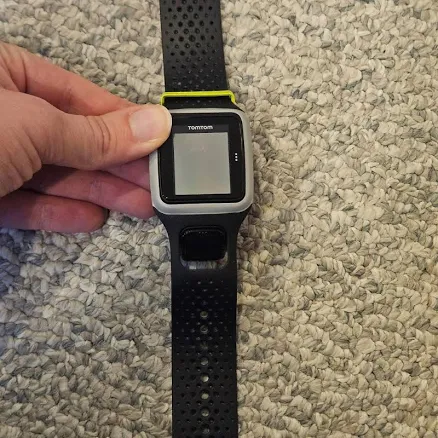
TomTom Runner GPS Watch
No coating described, and no PFAS statement from the brand.
The product information we reviewed describes plastic casing, silicone band, electronic components, with no water-repellent coating named. Water resistance on products like this usually comes from the material and its seals rather than a surface treatment. The brand has published no PFAS statement for it.
We flunk more products than we pass. This one earned its grade. How we grade
Material
Plastic casing, silicone band, electronic components
Brand disclosure
Brand is silent on PFAS
Lab data
No public lab test
You may also be interested in
Top-graded picks in the categories readers replace first, every one scored on the same rubric.

- polypropylene filter housing, carbon/sediment cartridge
- We found no PFAS statement from the brand
- Bacterial growth in spent cartridges
3 hazards checked on this product, all on its full breakdown.

Aquasure
Premier Series 75 GPD Under Sink Reverse Osmosis Water Filtration System
- RO membrane, carbon filters, stainless steel housing
- We found no PFAS statement from the brand
- Bacterial and microbial growth in housing and filters
4 hazards checked on this product, all on its full breakdown.

Avocado
Vegan Mattress
- organic cotton, natural latex, coconut coir, recycled steel coils
- The brand calls it PFAS-free, which we have not verified
- Heavy metals
2 hazards checked on this product, all on its full breakdown.
What TomTom Runner GPS Watch is made of, ingredients and materials
The TomTom Runner uses a rigid plastic casing (likely ABS or polycarbonate) with a replaceable silicone band and electronic internals sealed against moisture. Neither plastic nor medical-grade silicone bands are known to leach BPA, phthalates, or other endocrine disruptors under normal wrist-wear conditions, since they remain at skin temperature and avoid food contact. The sealed design means no coating degradation risk, the waterproofing (typically IP67 or similar) comes from gaskets and material barriers, not surface treatments.
What’s concerning
Category baseline
The starting point for this type of product, before anything specific to this product is counted.
No PFAS disclosure
No public statement from the brand about PFAS in this product.
Silicone band degradation and skin irritation
Medical-grade silicone is durable, but extended UV exposure or sweat-salt accumulation can cause minor surface breakdown; this is cosmetic rather than chemical toxicity, but may trigger contact dermatitis in sensitive individuals.
Plastic case thermal instability
ABS and polycarbonate can soften above 60°C, potentially releasing trace styrene or BPA precursors, though wrist-wear use in typical climates poses negligible risk; concern arises only if device is left in direct heat (car dashboards, saunas).
Battery leakage from sealed compartment
If the device is damaged and internal batteries crack, alkaline or lithium cells can leak corrosive electrolytes, but this is a mechanical failure risk, not a material chemistry hazard of the intact product.
What’s reassuring
Base material not linked to PFAS
The main material recorded for this product is not one associated with PFAS.
Heavy metals
RoHS compliance is standard for consumer electronics sold in the EU and US, which restricts lead and cadmium in solder; TomTom products are sold in these markets, so compliance is presumed, but no explicit certification statement is published.
Source, FDA ↗Microplastic shedding from silicone band wear
High-quality silicone bands do not shed microplastics under normal friction; this is not a documented concern for fitness watch bands in the literature.
How is this PFAS grade calculated?
The brand's record and disclosure
TomTom has not published a public PFAS or chemical-use policy, and the brand maintains silence on material sourcing and restricted substances. The company has no documented major consumer product safety recalls involving chemical leaching or material failure in fitness trackers. Without independent certification (RoHS, REACH compliance statements) or third-party testing visible in public records, the absence of reported problems suggests adequate manufacturing standards, but transparency is limited.
How it compares in its category
Fitness watch casings across major brands (Garmin, Apple, Fitbit) are similarly plastic-based with silicone bands, all carrying comparable chemical safety profiles. The TomTom Runner sits in the mid-range; it lacks the aluminum chassis of premium alternatives (which can oxidize but do not pose chemical hazards) but avoids softer thermoplastic polyurethane bands, which can occasionally off-gas in very high heat. Overall, it is representative of typical category safety, with no standout advantage or disadvantage.
If you buy it
Avoid prolonged exposure to direct sunlight or temperatures above 50°C, as plastics can soften and silicone can degrade over time, though not from leaching. Replace the silicone band if it shows visible cracking, discoloration, or a chemical smell, as breakdown may allow skin irritation. Clean the band with mild soap and water; do not use solvents or aggressive cleaners. The device itself requires no special maintenance beyond keeping seals dry and replacing batteries when needed.
What is not known about PFAS in this product?
- Basis
- Model estimate, 35% confidence, not a lab result
- Lab test
- None on record for this exact product
- Brand statement
- TomTom has made none
Formulations change between production runs, so check the current label. How we grade.
More waterproof fitness trackers & cases grades
How we score, every product runs through the same public 0-100 rubric based on materials, coatings, brand disclosure, lab findings, and recalls. See the full methodology → Spotted a mistake? Report an error.