WD-40 · Outdoor Furniture Cushion Protectants
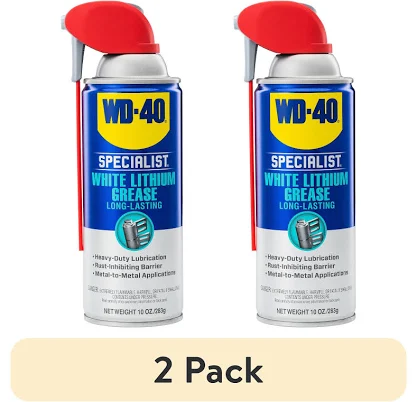
(2 pack) Wd-40 Specialist White Lithium Grease Protective Spray, 10 oz
Lower PFAS concern, but WD-40 discloses no ingredient details.
WD-40 Specialist White Lithium Grease is a conventional lubricant with mineral oil and lithium soap without known PFAS additives in normal formulations. The brand provides no PFAS statement.
We flunk more products than we pass. This one earned its grade. How we grade
Material
mineral oil, lithium soap thickener
Lab data
No public lab test
What (2 pack) Wd-40 Specialist White Lithium is made of, ingredients and materials
WD-40 Specialist White Lithium Grease is a mineral oil base (low-hazard petroleum distillate) thickened with lithium soap and suspended solvent for spray application. The formulation is designed for lubrication and corrosion protection on metal surfaces, door hinges, and mechanical joints. Mineral oil and lithium soap are established industrial ingredients with low acute toxicity; the product is not designed for ingestion or prolonged skin contact and should not be heated or applied to surfaces that will contact food or skin directly.
What’s concerning
Category baseline
The starting point for this type of product, before anything specific to this product is counted.
No PFAS disclosure
No public statement from the brand about PFAS in this product.
Inhalation risk (petroleum distillate vapor and propellant)
The spray form and volatile solvent base can release mineral oil mist and propellant gas during application. Risk is low in outdoor or well-ventilated use but elevated in enclosed spaces; no specific incident reports for this product line are on record, but petroleum spray inhalation is a known occupational concern in confined settings.
Skin and eye irritation from direct contact
Standard SDS warnings for mineral oil-based products indicate potential irritation if liquid contacts skin or eyes directly. Risk is low if used as directed (applied to metal hinges, not skin), but accidental splash during spray application is possible and warrants eye protection when applying indoors.
Flammability (furniture fire risk if misapplied)
The product contains volatile petroleum distillate and pressurized propellant, making it flammable. Application near ignition sources (stovetop-adjacent furniture, near candles, fireplaces) or excessive buildup on fabric could increase fire hazard; this is a use-error risk, not an inherent defect, but bears noting for furniture care.
Propellant exposure (potential respiratory irritant)
WD-40 spray products typically use liquefied petroleum gas (LPG) or hydrocarbon propellant; prolonged inhalation in enclosed spaces may cause mild respiratory irritation or dizziness. No specific adverse event reports for this product are on record, but propellant exposure is a recognized concern for all aerosol lubricants in poor ventilation.
PFAS
WD-40 does not disclose whether anti-corrosion or anti-water additives in the proprietary blend include PFAS. The product is not marketed as water-repellent, reducing likelihood, but lack of transparency leaves this hazard unresolved and warrants caution if PFAS avoidance is a priority.
Source, ATSDR ↗What’s reassuring
Base material not linked to PFAS
The main material recorded for this product is not one associated with PFAS.
The full breakdown
The brand's record and disclosure
WD-40 Company provides a basic Safety Data Sheet (SDS) listing petroleum distillate, lithium compounds, and mineral oil but does not provide full ingredient transparency for proprietary fragrance or additive packages. The brand has no known recalls for this specific product line and has a long commercial history in the lubricant category. WD-40 does not publicly disclose PFAS testing or commitment to PFAS avoidance, leaving that hazard unresolved; however, the product is not marketed as water-repellent, reducing likelihood of intentional PFAS addition versus other furniture treatments.
How it compares in its category
As a solvent-based spray lubricant, this product sits in a lower-toxicity segment compared to volatile organic compound-heavy furniture polishes or solvent-based wood stains. Unlike flame retardant furniture treatments or silicone-based conditioning sprays, WD-40 lubricant poses minimal off-gassing risk in normal indoor use if applied outdoors or in ventilated spaces. It is not a coating product, so concerns about degradation or heavy metals in enamels do not apply; it is a maintenance product, not a structural finish.
If you buy it
Apply only in well-ventilated areas (outdoors or open windows preferred) to avoid inhalation of petroleum vapor and propellant. Test on a small, inconspicuous area first if applying to upholstered furniture, as mineral oil can darken or stain certain fabrics. Keep away from heat sources and open flames (product is flammable). Do not apply to surfaces that will be sat on or touched frequently without first wiping away excess; allow 10-15 minutes drying time before contact. Store in a cool, dry place and replace if the spray mechanism clogs or liquid separates.
What we don’t know
- Basis
- Model estimate, 72% confidence, not a lab result
- Lab test
- None on record for this exact product
- Brand statement
- WD-40 has made a specific claim
Formulations change between production runs, so check the current label. How we grade.
More outdoor furniture cushion protectants grades
How we score, every product runs through the same public 0-100 rubric based on materials, coatings, brand disclosure, lab findings, and recalls. See the full methodology → Spotted a mistake? Report an error.