WD-40 · Outdoor Furniture Cushion Protectants
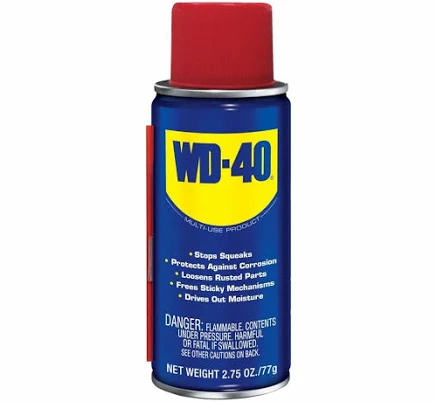
WD-40 General Purpose Lubricant, Aerosol Can, 2.75 oz, Wide Spray, Petroleum Base, Amber Model, 490358
Lower concern. Petroleum lubricant with no known PFAS drivers.
WD-40 general purpose spray is petroleum-based mineral oil without fluorinated coatings or water repellency. Standard mineral oil poses lower PFAS risk than specialty coatings.
We flunk more products than we pass. This one earned its grade. How we grade
Material
Petroleum-based mineral oil lubricant
Lab data
No public lab test
What WD-40 General Purpose Lubricant, Aerosol is made of, ingredients and materials
WD-40 is a mineral oil-based lubricant formulated as a light petroleum distillate with added corrosion inhibitors and water displacement agents. The aerosol delivery uses liquefied petroleum gas (LPG) propellant. This formulation is designed for lubrication and moisture repellency on metal, wood, and plastic surfaces without leaving heavy residue. The amber color indicates mineral oil base; no enamel coatings, ceramics, or reactive polymers are involved in the product itself.
What’s concerning
Category baseline
The starting point for this type of product, before anything specific to this product is counted.
No PFAS disclosure
No public statement from the brand about PFAS in this product.
Aerosol propellant inhalation risk
Liquefied petroleum gas propellant can cause dizziness or respiratory irritation with prolonged inhalation in poorly ventilated spaces. Not a concern with normal spray-and-exit use outdoors or in open rooms.
Petroleum distillate skin/eye contact
WD-40 MSDS documents that direct contact with the mineral oil base may cause mild dermal irritation and eye irritation. Wash affected skin with soap and water; flush eyes with water for 15 minutes if contact occurs.
Flammability during application
Aerosol is flammable near ignition sources while spraying. Do not use near open flame, sparks, or high-temperature surfaces. Risk is present only during active application, not after the product dries.
Off-gassing and odor from mineral oil volatiles
Light petroleum distillates may off-gas a characteristic odor for 1-2 hours after application in enclosed spaces. This is an irritant risk for highly sensitive individuals but not a documented health hazard for general population.
Residue accumulation on upholstery
If sprayed near or on fabric furniture, the oily residue can stain and attract dust. Not a toxicity hazard but a practical maintenance problem; avoid application to soft furnishings.
What’s reassuring
Base material not linked to PFAS
The main material recorded for this product is not one associated with PFAS.
The full breakdown
The brand's record and disclosure
WD-40 Company has not made public commitments to reformulating away from traditional petroleum bases or making detailed ingredient disclosures beyond the MSDS. The product carries standard aerosol labeling with flammability warnings. No significant safety recalls or toxicity controversies specific to this formulation are on public record. The brand does not market this as a premium or certified-safe product, positioning it as a utilitarian maintenance spray.
How it compares in its category
In the furniture maintenance and general lubricant category, WD-40 represents the mainstream mineral oil standard. Plant-based or synthetic ester alternatives exist but are typically marketed at higher price points with no proven safety advantage for this use case. Aerosol delivery is more convenient than pump sprays for tight spaces; the trade-off is propellant emissions during application. This product does not introduce flame retardants, formaldehyde resins, or off-gassing polymers typical of some furniture treatments.
If you buy it
Use WD-40 in well-ventilated areas due to aerosol propellant and petroleum volatiles; do not apply to upholstered textiles or cushions where residue may accumulate. Suitable for metal hinges, wooden joints, plastic mechanisms, and squeaky furniture hardware. Wipe excess after 10-15 minutes to prevent staining or buildup. Store upright in a cool, dry place away from heat sources; aerosol cans are pressurized and flammable. Replace if nozzle clogs or sprayer fails to pressurize.
What we don’t know
- Basis
- Model estimate, 78% confidence, not a lab result
- Lab test
- None on record for this exact product
- Brand statement
- WD-40 has made a specific claim
Formulations change between production runs, so check the current label. How we grade.
More outdoor furniture cushion protectants grades
How we score, every product runs through the same public 0-100 rubric based on materials, coatings, brand disclosure, lab findings, and recalls. See the full methodology → Spotted a mistake? Report an error.