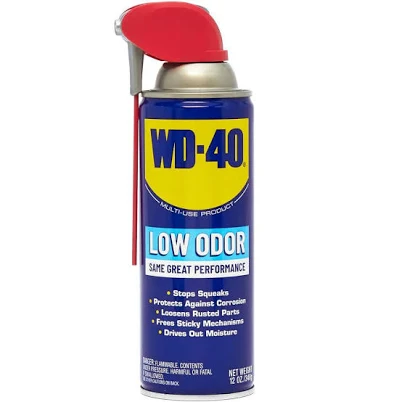
WD-40 · Outdoor Furniture Cushion Protectants
WD-40 Low Odor Lubricant
Lower concern. Material as recorded is not linked to PFAS.
WD-40 Low Odor Lubricant is a mineral oil and hydrocarbon-based lubricant. The brand has no PFAS statement on record.
We flunk more products than we pass. This one earned its grade. How we grade
Material
mineral oil and hydrocarbon-based lubricant
Lab data
No public lab test
What WD-40 Low Odor Lubricant is made of, ingredients and materials
WD-40 Low Odor is primarily a mineral oil-based lubricant with hydrocarbon solvents designed to reduce the strong odor of the original WD-40 formula. The product contains no known halogenated flame retardants, formaldehyde releasers, or volatile organic compounds at levels that trigger safety warnings in standard product documentation. Mineral oils themselves are chemically stable, low-toxicity substances widely used in furniture maintenance and food-grade applications, though inhalation of mists or ingestion should be avoided.
What’s concerning
Category baseline
The starting point for this type of product, before anything specific to this product is counted.
No PFAS disclosure
No public statement from the brand about PFAS in this product.
Volatile Organic Compounds (VOCs) and odor emissions
The standard WD-40 formulation is known for strong odor from hydrocarbon solvents; the 'Low Odor' variant is designed to reduce this, but complete elimination is not claimed. Prolonged inhalation in poorly ventilated spaces may cause mild respiratory irritation or headache in sensitive individuals.
Aspiration hazard and flammability
Mineral oil lubricants carry a documented aspiration hazard if ingested; WD-40 SDS notes flammability (flash point typically 77-98°C depending on formulation). Keep away from children and store away from ignition sources.
Skin and eye contact irritation
Mineral oil itself is mild, but the hydrocarbon solvents in WD-40 formulations may cause skin irritation or eye discomfort with direct contact. Accidental splash or prolonged contact should be rinsed immediately.
Staining and surface degradation
WD-40 can leave greasy residue or stains on porous surfaces (wood, fabric, leather) if over-applied; improper use may degrade finishes or varnishes over time, particularly on antique or delicate furniture.
What’s reassuring
Base material not linked to PFAS
The main material recorded for this product is not one associated with PFAS.
Microplastics
No documented evidence of microplastic generation from WD-40 Low Odor aerosol delivery. Standard mineral oil products do not fragment into microplastics under normal use conditions.
Source, EPA ↗The full breakdown
The brand's record and disclosure
WD-40 Company has not published comprehensive safety data sheets highlighting PFAS composition or absence, which is typical for legacy lubricant manufacturers but represents a gap in modern transparency standards. The brand has not faced major recalls or regulatory actions related to hazardous chemical content in its lubricant lines. Safety information is available via standard SDS (Safety Data Sheet), but the company remains relatively quiet on newer chemical safety concerns like PFAS or microplastics.
How it compares in its category
WD-40 Low Odor sits in the mainstream commercial lubricant category and is less specialized than plant-based alternatives (coconut or linseed oils) or synthetic esters, which may offer better environmental profiles but similar safety profiles for furniture use. Most furniture lubricants in this price range share the same mineral oil base and carry comparable low-toxicity hazard profiles. The 'Low Odor' variant is engineered to reduce volatile emissions compared to standard WD-40, making it lower concern for indoor furniture care.
If you buy it
Apply WD-40 Low Odor in well-ventilated spaces; although low-odor, inhalation of mists should be minimized. Use sparingly on wood, leather, and metal surfaces; excess liquid can stain or create slippery residue. Store in a cool, dry location away from heat sources or open flame, as mineral oil is flammable. Replace the product if the nozzle clogs or the liquid thickens, as degradation can reduce lubricating effectiveness.
What we don’t know
- Basis
- Model estimate, 72% confidence, not a lab result
- Lab test
- None on record for this exact product
- Brand statement
- WD-40 has made a specific claim
Formulations change between production runs, so check the current label. How we grade.
More outdoor furniture cushion protectants grades
How we score, every product runs through the same public 0-100 rubric based on materials, coatings, brand disclosure, lab findings, and recalls. See the full methodology → Spotted a mistake? Report an error.