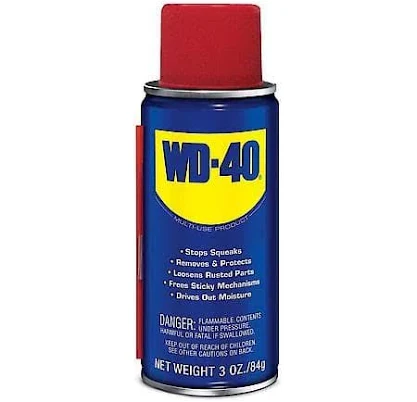
WD-40 · Outdoor Furniture Cushion Protectants
WD-40 Lubricant
Lower risk. Standard aerosol lubricant poses minimal PFAS concern.
WD-40 uses mineral oil and petroleum distillates with no PFAS-containing coatings. The brand makes no PFAS claims for this standard lubricant.
We flunk more products than we pass. This one earned its grade. How we grade
Material
Mineral oil and petroleum distillates
Lab data
No public lab test
What WD-40 Lubricant is made of, ingredients and materials
WD-40 is primarily mineral oil (petroleum distillate) with added volatile organic compounds (VOCs) that evaporate during and after application. The aerosol propellant historically used liquefied gas; modern formulations typically use hydrocarbon propellants. Mineral oil itself is non-toxic at skin contact and low volatility once dried, but the spray form releases VOCs into indoor air during application, which is the main exposure pathway for furniture use.
What’s concerning
Category baseline
The starting point for this type of product, before anything specific to this product is counted.
No PFAS disclosure
No public statement from the brand about PFAS in this product.
Volatile organic compounds (VOCs) from aerosol spray
Mineral oil and hydrocarbon propellants release VOCs during and immediately after application. With poor ventilation, repeated indoor use can elevate household VOC levels transiently, which may trigger irritation in sensitive individuals; risk is brief and reversible with airing.
Flammability risk
Mineral oil and hydrocarbon propellants are flammable; WD-40 SDS lists flash point around 0 degrees F. Risk is minimal for furniture lubricant use if applied away from ignition sources and allowed to dry, but product should not be stored near heat or used on furniture near open flames.
Skin and eye irritation (direct contact)
While mineral oil is low toxicity, aerosol spray can cause mechanical irritation if it contacts eyes or mucous membranes directly. Risk is preventable with normal handling and is not a hazard of dried product on furniture.
Residual staining or surface damage from over-application
Excess WD-40 can leave oily residue on wood finishes or upholstery, potentially attracting dust or causing discoloration. This is a cosmetic rather than health hazard but reflects improper use rather than product defect.
Inhalation of propellant and carrier chemicals in enclosed spaces
Use in poorly ventilated rooms (sealed spaces, closets) can lead to accumulation of hydrocarbon vapor and mineral oil aerosol, causing headache or dizziness in susceptible individuals. Risk is avoidable by using outdoors or with open windows.
What’s reassuring
Base material not linked to PFAS
The main material recorded for this product is not one associated with PFAS.
The full breakdown
The brand's record and disclosure
WD-40 Company publishes Safety Data Sheets (SDS) that disclose mineral oil and petroleum distillate content clearly. The company has no known recalls or regulatory violations specific to furniture lubricant formulations. WD-40 has not publicly adopted commitments to remove PFAS or other emerging contaminants, and maintains minimal transparency beyond regulatory requirements. No third-party certifications (eco-labels, toxicology audits) are associated with the standard aerosol product.
How it compares in its category
WD-40 is a conventional solvent-based lubricant; silicone-based alternatives (like furniture polish) or plant-oil-based options exist but are category-different products. Among multipurpose aerosol lubricants, WD-40 is typical in VOC content and mineral oil composition. Liquid (pump-bottle) mineral oils avoid aerosol inhalation but require manual application and may stain more easily.
If you buy it
Apply WD-40 in well-ventilated spaces (open windows or outdoors) to minimize VOC inhalation, especially if using regularly. Allow 15-30 minutes dry time before contact with skin or fabric to prevent staining or residue transfer. Do not apply to upholstered surfaces or areas that contact food or hands frequently; use only on metal hinges, springs, and wood joints. Replace when the spray mechanism fails or product separates; old cans are unlikely to harm but efficacy drops.
What we don’t know
- Basis
- Model estimate, 72% confidence, not a lab result
- Lab test
- None on record for this exact product
- Brand statement
- WD-40 has made a specific claim
Formulations change between production runs, so check the current label. How we grade.
More outdoor furniture cushion protectants grades
How we score, every product runs through the same public 0-100 rubric based on materials, coatings, brand disclosure, lab findings, and recalls. See the full methodology → Spotted a mistake? Report an error.