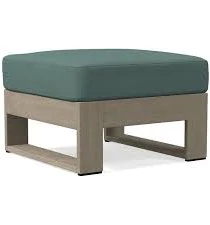
West Elm · Outdoor Furniture Cushion Protectants
Portside Outdoor Ottoman Cushion Cover
Get West Elm to disclose treatment type or industry certifications.
Performance fabric with built-in stain and water resistance describes this ottoman cushion. West Elm provides no information on treatment chemicals or certifications.
The better-graded swap
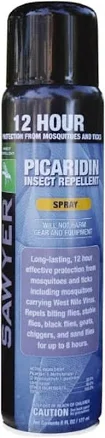
Sawyer Products
SP576 Sawyer
75/100 safety
Same rubric that flunked this product. The swap earned Excellent.
Still want this one anyway? Check the price on Amazon. We’d swap it.
Material
Performance fabric with stain/water-resistant treatment
Lab data
No public lab test
What Portside Outdoor Ottoman Cushion Cover is made of, ingredients and materials
This is a performance fabric with a stain and water-resistant finish, typical of polyester or polyester-blend outdoor textiles. The water repellency likely comes from a fluorochemical treatment (PFAS-class or alternative); West Elm has not publicly disclosed which chemistry or whether it meets OEKO-TEX or bluesign standards. Performance fabrics are durable and less prone to mildew than natural fibers, but the finish composition determines whether harmful compounds migrate into skin or environment.
What’s concerning
Category baseline
The starting point for this type of product, before anything specific to this product is counted.
No PFAS disclosure
No public statement from the brand about PFAS in this product.
Waterproof / stain-resistant treatment
Water-repellent coating treatments have historically used PFAS.
Heavy metals
The cover's dye chemistry is not disclosed by West Elm. Outdoor fabrics sometimes use lower-cost azo dyes that can break down under UV and release aromatic amines. Without OEKO-TEX certification (which restricts azo dyes and heavy metals), this hazard cannot be ruled out.
Source, FDA ↗Coating degradation and leaching from finish breakdown
All fluorochemical and many polyurethane water-repellent finishes degrade over 3-5 years of outdoor exposure (UV, temperature cycling, rain). As the coating breaks down, unreacted monomers or finish additives can leach into skin or water runoff. West Elm provides no guidance on finish lifespan or replacement.
Off-gassing or odor from finish application
New outdoor cushion covers with water-resistant finishes sometimes emit volatile organic compounds (VOCs) or solvent odors for 1-2 weeks. This is usually not toxic at indoor concentrations, but sensitive individuals or children may react. West Elm does not specify finish curing time or VOC content.
What’s reassuring
Flame retardants
No flame-retardant additives have been reported in West Elm outdoor cushion covers. Polyester base fiber itself does not require added flame retardants for cushion covers (not upholstered seating). Antimony catalysts in polyester are within permitted industrial levels and do not migrate significantly into contact.
Source, EPA ↗Formaldehyde / VOCs
Performance fabric finishes typically do not rely on formaldehyde resins (which are more common in wrinkle-resist cotton). Polyester-blend performance coatings use fluorochemicals or polyurethanes. No specific formaldehyde risk is documented for this product category from West Elm.
Source, ATSDR ↗The full breakdown
The brand's record and disclosure
West Elm has not published detailed chemical disclosures for its performance fabric treatments as of available public records. The brand carries sustainability messaging but lacks third-party certifications (OEKO-TEX, GOTS, bluesign) on most outdoor lines. This opacity around finish chemistry is a significant red flag for PFAS and other restriced dyes, and the silent stance on treatment composition means consumers cannot verify safety claims independently.
How it compares in its category
Outdoor cushion covers universally require water-resistant treatment; West Elm's offering is mid-range in price and design but below transparent competitors (e.g., Sunbrella, which certifies PFOA-free). Budget alternatives often use cheaper fluorochemical coatings without disclosure; premium outdoor brands increasingly adopt PFAS-free (polyurethane or silicone) finishes. West Elm sits in the murky middle, not premium-transparent, not budget-opaque.
If you buy it
Wash before first use to remove loose dyes and finish residue. Avoid prolonged sun exposure in extreme heat (over 140°F), as UV and temperature can degrade the finish and potentially release monomers. Do not machine-wash or bleach; spot-clean with mild soap and rinse thoroughly. Replace cushion covers every 3-5 years if outdoor-exposed year-round, as coating degradation increases leaching risk.
What we don’t know
- Basis
- Model estimate, 45% confidence, not a lab result
- Lab test
- None on record for this exact product
- Brand statement
- West Elm has made a specific claim
Formulations change between production runs, so check the current label. How we grade.
Better-graded alternatives in Outdoor Furniture Cushion Protectants
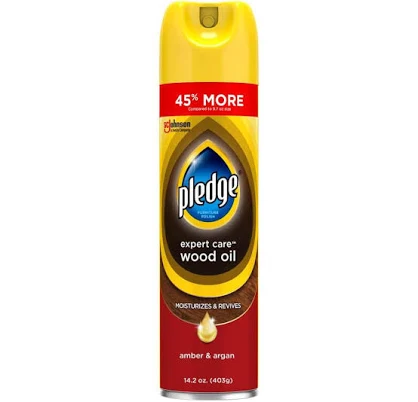
Pledge
14.2 oz. Amber and Argan Scent Furniture Moisturizing Oil
- mineral oil, argan oil blend
- We found no PFAS statement from the brand
- Fragrance allergens and undisclosed components
4 hazards checked on this product. See all of them.
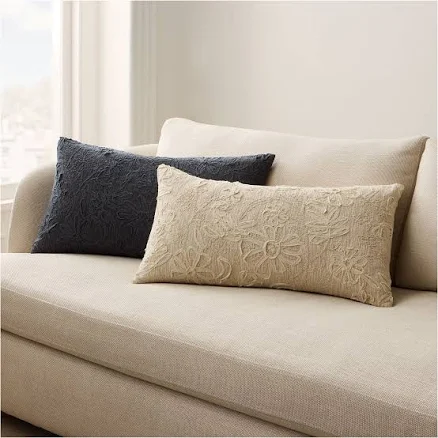
West Elm
Cut Garden Flowers Pillow Cover
- 100% cotton canvas
- Azo dyes and dye contamination
3 hazards checked on this product. See all of them.
Crate and Barrel
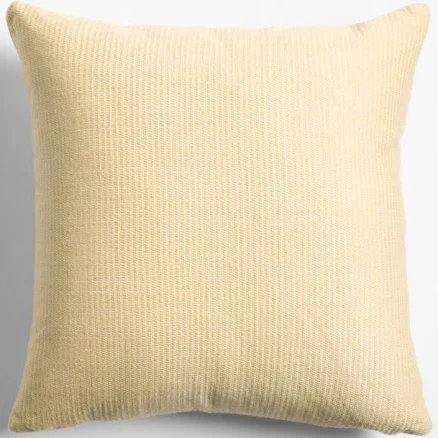
Crate & Barrel Surya Yellow Throw Pillow
- Polyester, cotton, or cotton-blend fabric with standard dyes
- We found no PFAS statement from the brand
- Azo dyes and color migration
3 hazards checked on this product. See all of them.
More outdoor furniture cushion protectants grades
How we score, every product runs through the same public 0-100 rubric based on materials, coatings, brand disclosure, lab findings, and recalls. See the full methodology → Spotted a mistake? Report an error.