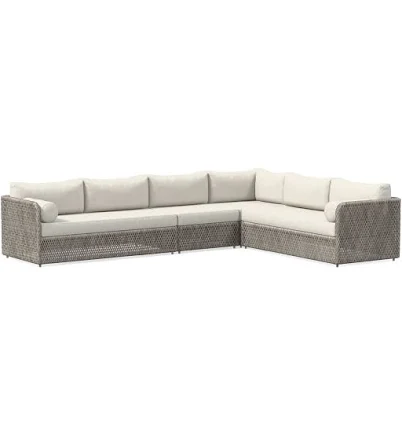
West Elm · Outdoor Furniture Cushion Protectants
West Elm Coastal Outdoor 4-Piece L-Shaped Sectional Cushion Covers
Skip; outdoor cushion covers probably use water-repellent coating, risk unaddressed.
West Elm won't tell you what finish protects this sectional cushion covers. Outdoor textiles routinely get water-repellent treatments that may include PFAS.
The better-graded swap

Design Within Reach
Design Within Reach Block Island Sunbed Cushion Outlet
75/100 safety
Same rubric that flunked this product. The swap earned Excellent.
Still want this one anyway? Check the price on Amazon. We’d swap it.
Material
solution-dyed polyester with stain and water repellent finish
Lab data
No public lab test
What West Elm Coastal Outdoor 4-Piece L-Shaped is made of, ingredients and materials
These covers are solution-dyed polyester, meaning colorant is added before fiber formation rather than applied after, which typically results in more durable color and fewer surface chemicals than piece-dyed alternatives. The stain and water repellent finish is a separate applied coating, likely fluorinated (PFAS-based) or silicone-based per industry standard for outdoor textiles, but West Elm has not disclosed which chemistry they use. Solution-dyed polyester itself does not inherently release volatile organic compounds (VOCs) or formaldehyde at normal temperatures.
What’s concerning
Category baseline
The starting point for this type of product, before anything specific to this product is counted.
No PFAS disclosure
No public statement from the brand about PFAS in this product.
Waterproof / stain-resistant treatment
Water-repellent coating treatments have historically used PFAS.
water-repellent coating (water-repellent coating) coating chemistry undisclosed
Stain and water repellent finish is almost certainly fluorinated (PFAS) or silicone-based per standard outdoor textile practice, but West Elm provides no chemical identity. Risk cannot be assessed without disclosure. Reported to separate PFAS grading.
Microplastic shedding during use and cleaning
Polyester textiles shed microfibers during washing and weathering; outdoor covers exposed to UV and frequent moisture may shed at higher rates. Impact is environmental rather than direct consumer safety, but repeated laundering will gradually reduce cover integrity and potentially accelerate coating breakdown.
What’s reassuring
Azo dyes in solution-dyed polyester
Solution dyeing before fiber extrusion typically uses regulated azo dyes that meet OEKO-TEX or similar standards. No public record of West Elm outdoor textiles failing dye safety testing, and the dyeing process is inherently lower-migration than piece-dyeing.
Heavy metals
Solution-dyed polyester is not known to concentrate cadmium, lead, or antimony in excess of EN 71-3 or OEKO-TEX limits for textile dyes. West Elm does not claim certification, but no contamination has been publicly reported for this product line.
Source, FDA ↗Formaldehyde / VOCs
Solution-dyed polyester fabric does not require formaldehyde-based resins or anti-wrinkle finishes. Outdoor cushion covers are not typically treated with flame retardants unless marketed as such, which these are not.
Source, ATSDR ↗The full breakdown
The brand's record and disclosure
West Elm has not published a PFAS policy or disclosed the specific chemistry of water repellent treatments on outdoor textiles. The brand does not carry major third-party certifications (OEKO-TEX, Bluesign) that would verify absence of restricted dyes or flame retardants. West Elm's parent company Williams-Sonoma Home has faced no major public recalls or documented safety controversies on outdoor cushion covers, but the lack of proactive material transparency on water-repellent coating coatings is a transparency gap common across mainstream home furnishings retailers.
How it compares in its category
Outdoor cushion covers routinely receive water repellent or stain guard treatments; most major retailers (Restoration Hardware, Pottery Barn, Sunbrella) apply similar coatings without public chemical disclosure. Sunbrella-brand covers specifically use solution-dyed acrylic, which also requires water treatment but is a different fiber class. West Elm's polyester option is price-competitive and material-durable, but sits in the middle of the transparency spectrum; premium brands are increasingly disclosing water-repellent coating chemistry (often silicone), while budget retailers rarely disclose at all.
If you buy it
Wash covers by hand or gentle machine cycle in cool water before first use to reduce any loose surface treatments or dyes. Do not machine dry or expose to sustained heat above 60 degrees Celsius, as this may compromise coating durability. Spot-clean with mild soap and air-dry outdoors to preserve water repellency. Replace covers every 3-5 years if used year-round in harsh weather, or when water beading noticeably diminishes, as water-repellent coating coatings degrade and may require reapplication via commercial textile treatment.
What we don’t know
- Basis
- Model estimate, 35% confidence, not a lab result
- Lab test
- None on record for this exact product
- Brand statement
- West Elm has made a specific claim
Formulations change between production runs, so check the current label. How we grade.
Better-graded alternatives in Outdoor Furniture Cushion Protectants
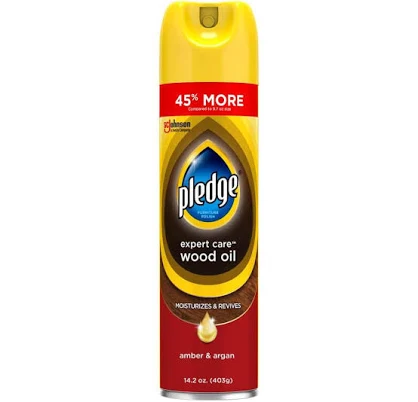
Pledge
14.2 oz. Amber and Argan Scent Furniture Moisturizing Oil
- mineral oil, argan oil blend
- We found no PFAS statement from the brand
- Fragrance allergens and undisclosed components
4 hazards checked on this product. See all of them.

West Elm
Cut Garden Flowers Pillow Cover
- 100% cotton canvas
- Azo dyes and dye contamination
3 hazards checked on this product. See all of them.
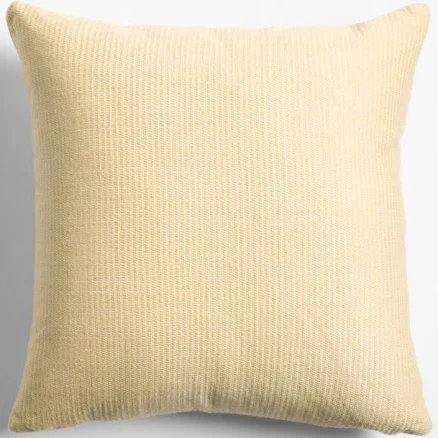
Crate and Barrel
Crate & Barrel Surya Yellow Throw Pillow
- Polyester, cotton, or cotton-blend fabric with standard dyes
- We found no PFAS statement from the brand
- Azo dyes and color migration
3 hazards checked on this product. See all of them.
More outdoor furniture cushion protectants grades
How we score, every product runs through the same public 0-100 rubric based on materials, coatings, brand disclosure, lab findings, and recalls. See the full methodology → Spotted a mistake? Report an error.